This case study documents a residential HVAC mold inspection performed by Home Enviro at a home in Coral Gables, Florida, after the homeowner reported persistent musty odors, excessive dust throughout the home, and ongoing indoor air quality concerns whenever the air conditioning system was operating. A comprehensive mold assessment was performed to evaluate the HVAC system, identify potential moisture sources, and determine whether the air conditioning equipment was contributing to the indoor air quality issues.
Customer Concern
The homeowner contacted Home Enviro after noticing that dust seemed to return no matter how often the home was cleaned or the filters were changed, along with a persistent musty smell whenever the AC ran. Allergy-like symptoms, including sneezing and nasal irritation, had also become a recurring issue for the household. The combination of odor, dust, and worsening symptoms pointed toward the HVAC system itself as a likely source rather than routine housekeeping.
Inspection Overview and Methodology
To evaluate the HVAC system, ductwork, and the indoor environment as a whole, Home Enviro performed a comprehensive mold assessment consistent with the standards of a thorough HVAC mold inspection. The inspection included a visual examination of the air handler, blower compartment, and supply plenum, a complete moisture assessment using professional moisture detection equipment, and documentation of all HVAC components for visible microbial growth and sealing defects.
A full moisture inspection was performed around the HVAC equipment and surrounding areas to identify any active or historical sources of water intrusion.
Findings
During the inspection, significant dust accumulation was observed throughout the HVAC system. Heavy debris had collected inside the air handler, blower compartment, supply plenum, and surrounding components, indicating that the system had not been thoroughly cleaned for an extended period.
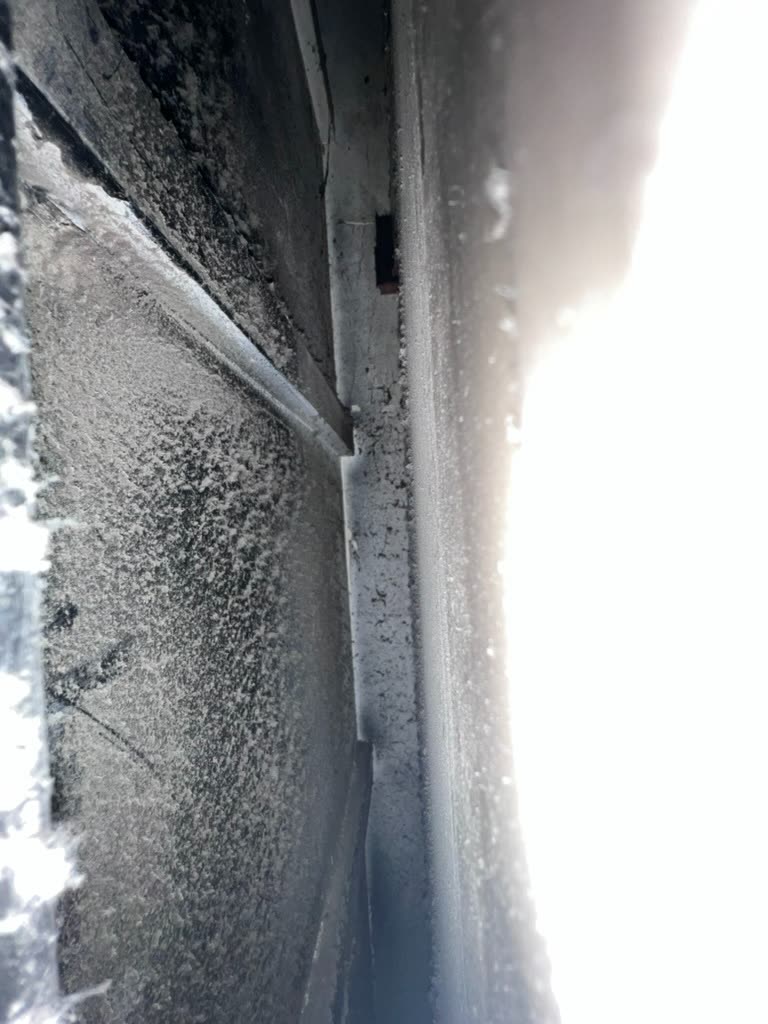
Visible mold growth was identified on multiple HVAC components, including:
- Air handler cabinet
- Blower compartment
- Interior insulation
- Supply plenum
- Adjacent duct connections
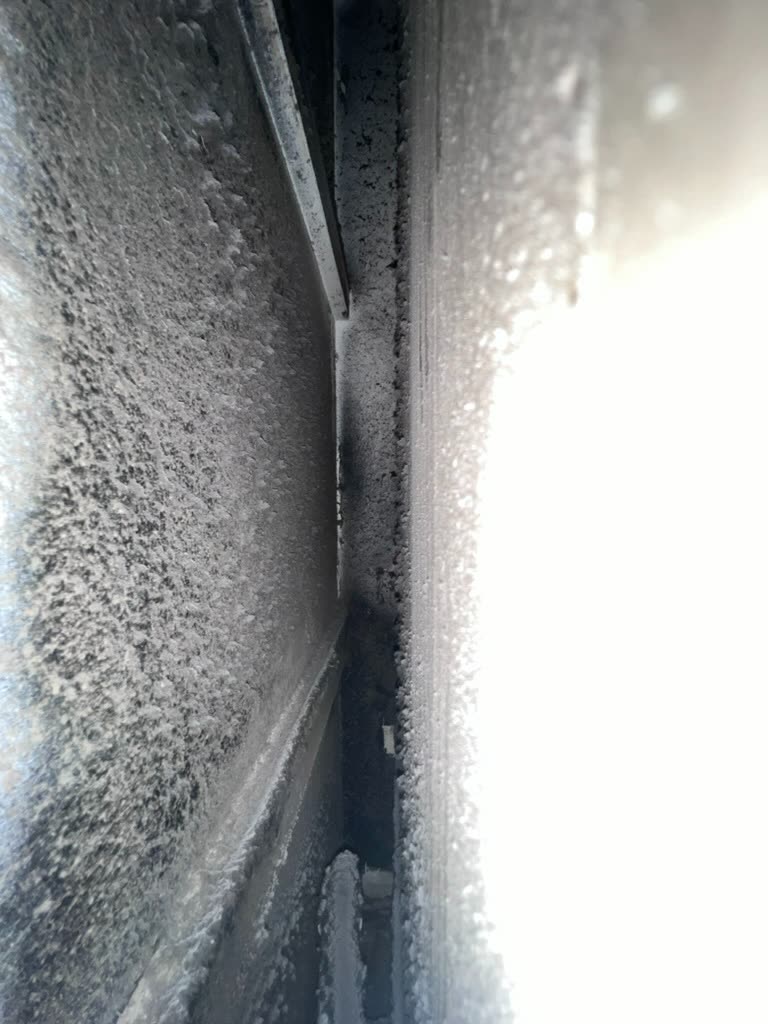
The inspection also revealed that portions of the HVAC tape surrounding the supply plenum had deteriorated and separated over time. These openings allowed air leakage and increased dust infiltration into the system, creating conditions that contributed to microbial growth.
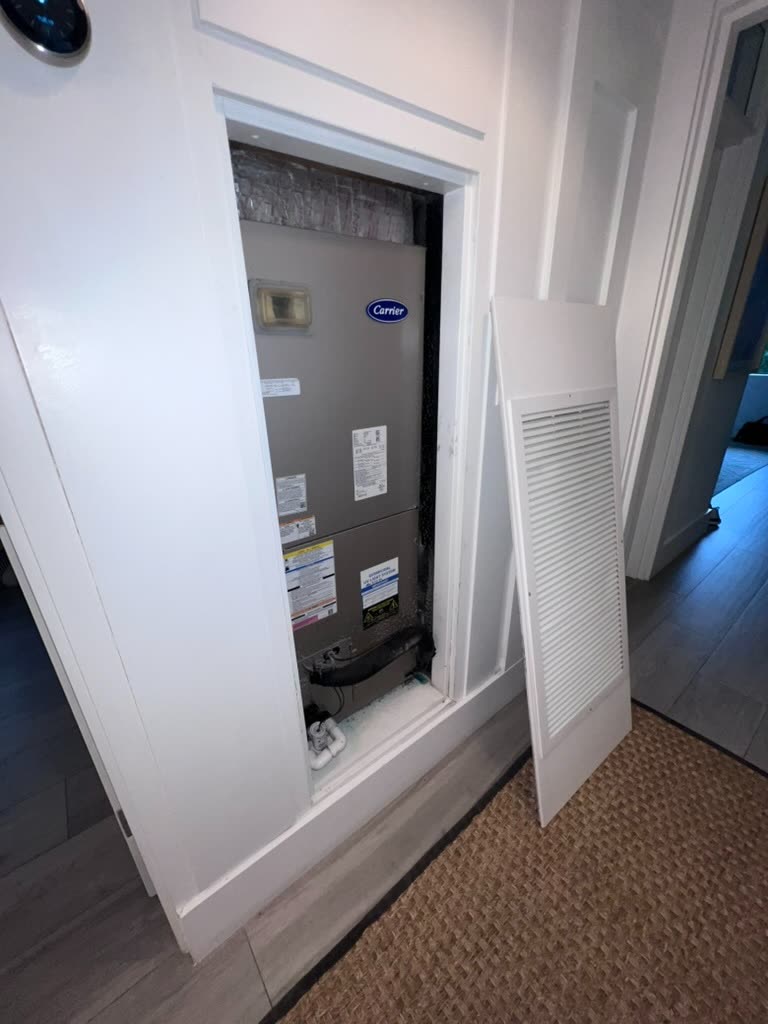
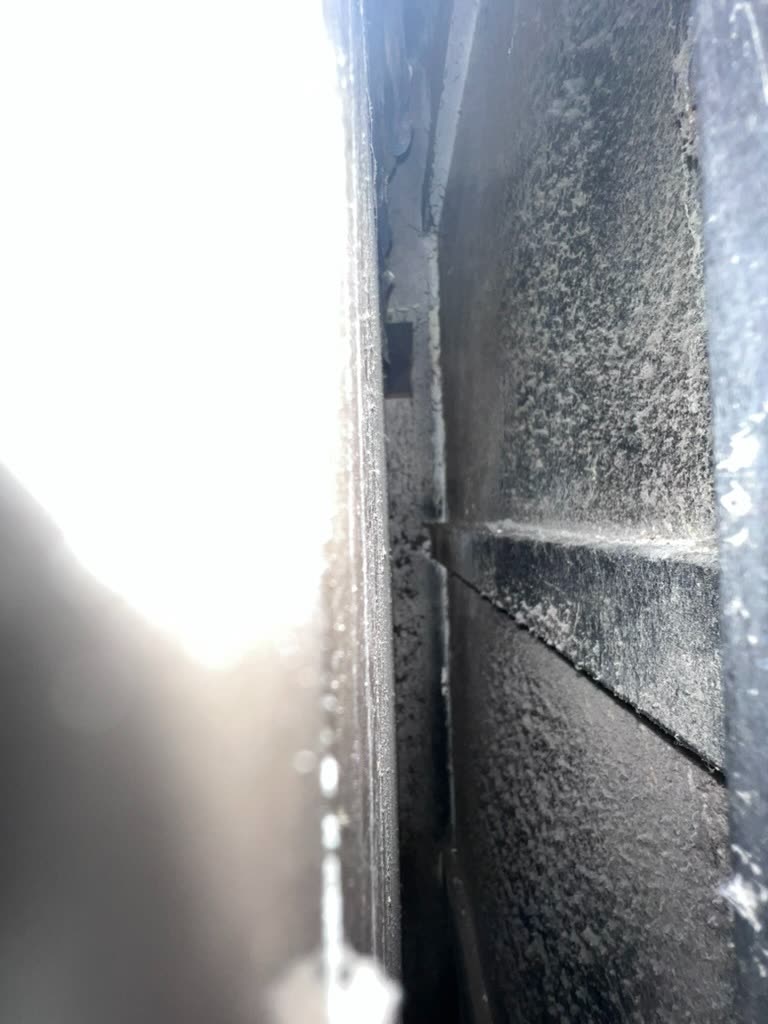
Platform and Condensate Pump Cavity Findings
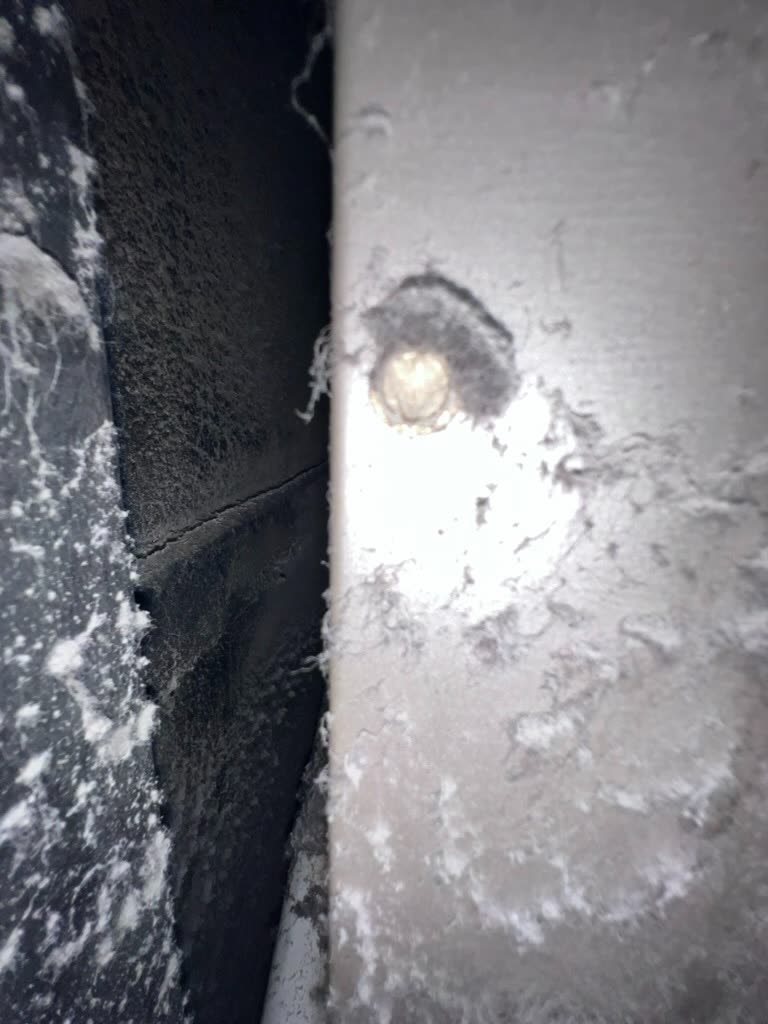
Beyond the plenum and duct connections, the inspection extended into the horizontal air handler support platform accessed through an overhead soffit opening near the condensate pump. This platform cavity, framed with plywood decking and lined with insulation, showed considerably more advanced contamination than the visible ductwork.
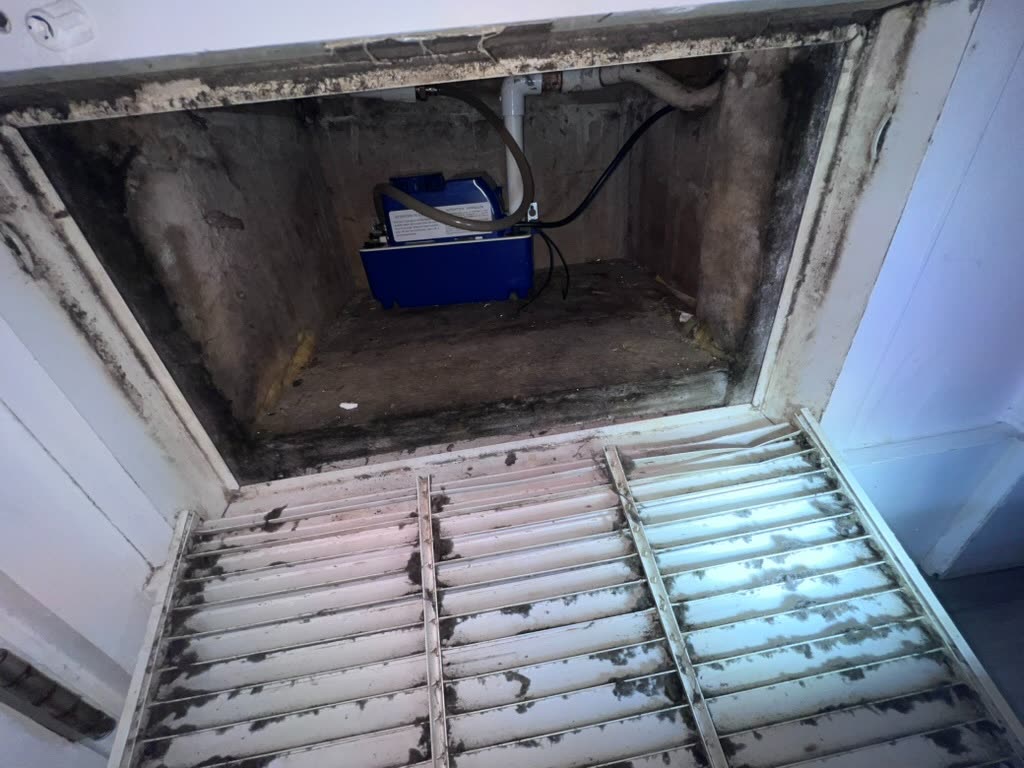
Extensive dark microbial staining was documented across the plywood platform surface, the surrounding insulation, and the cavity's interior framing members. The staining pattern extended well beyond isolated spotting, covering large sections of the platform floor and walls of the cavity. A condensate pump assembly located inside this cavity, along with its associated tubing and wiring, was also found within the contaminated area.
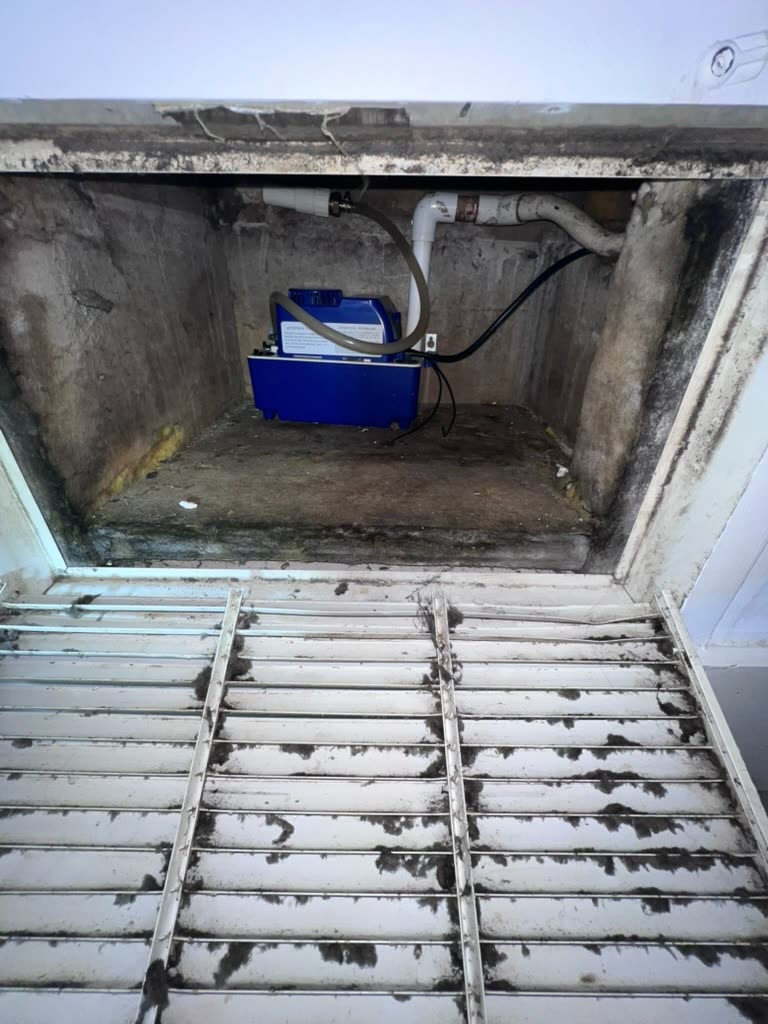
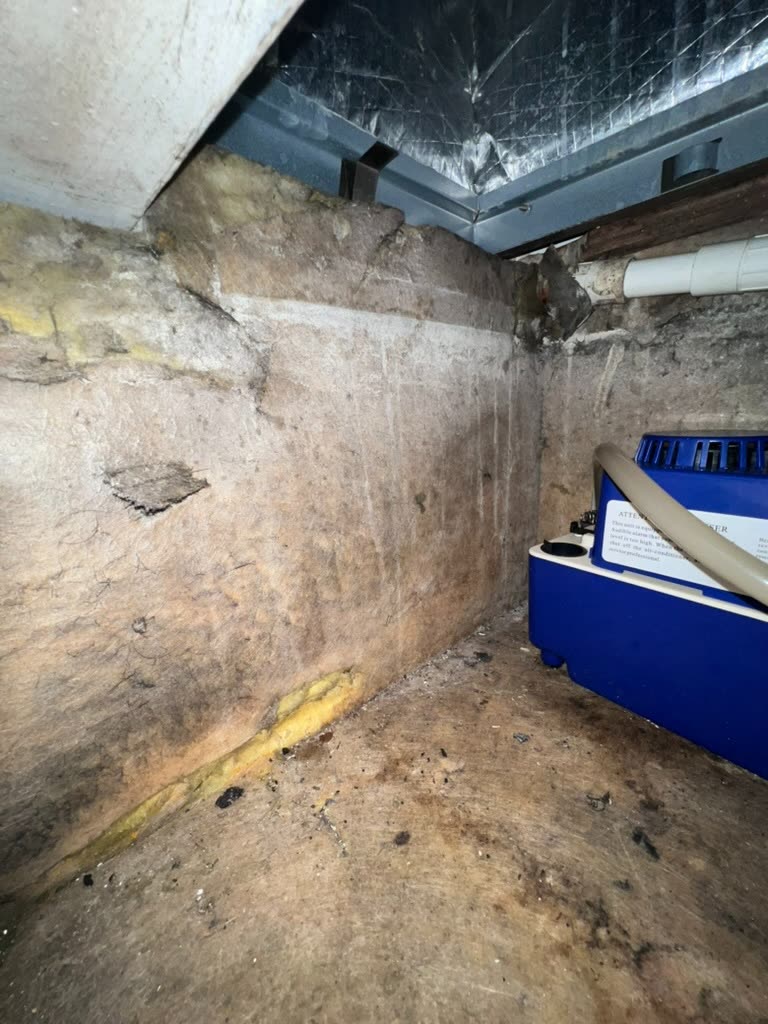
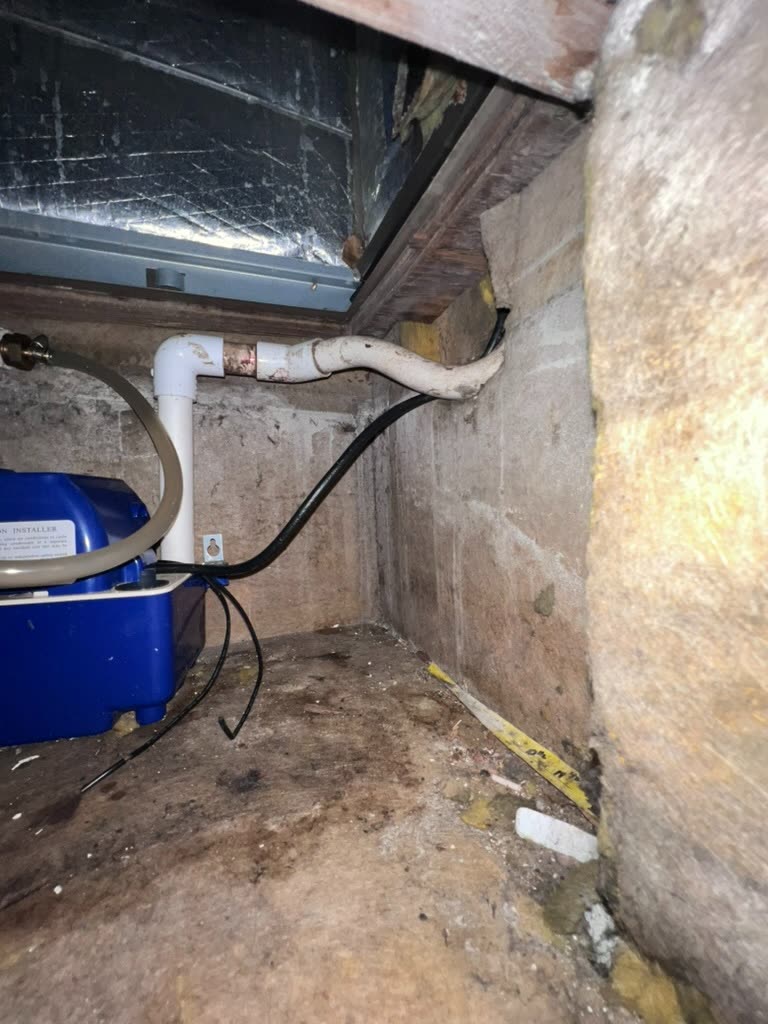
This platform cavity is a semi-enclosed, rarely accessed space that is not part of routine HVAC maintenance or filter changes, which allowed the contamination to progress substantially before discovery. The combination of confined air space, condensate-related humidity, and organic building materials (plywood decking and fiberglass insulation) created conditions highly conducive to sustained microbial growth.
Moisture Assessment
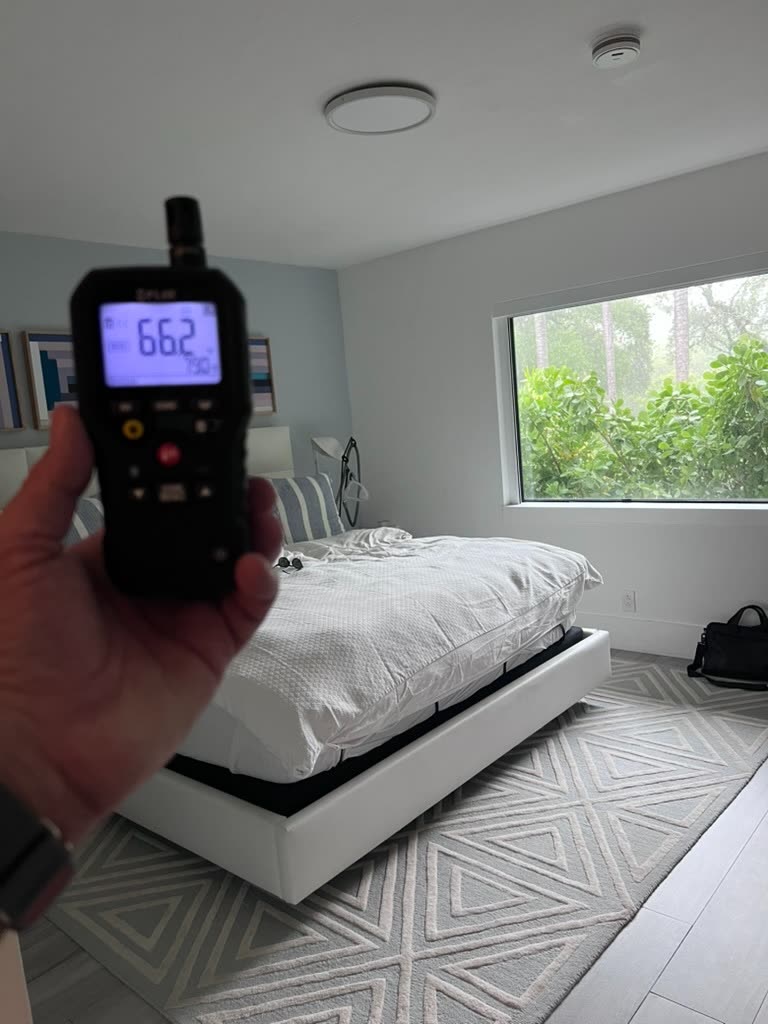
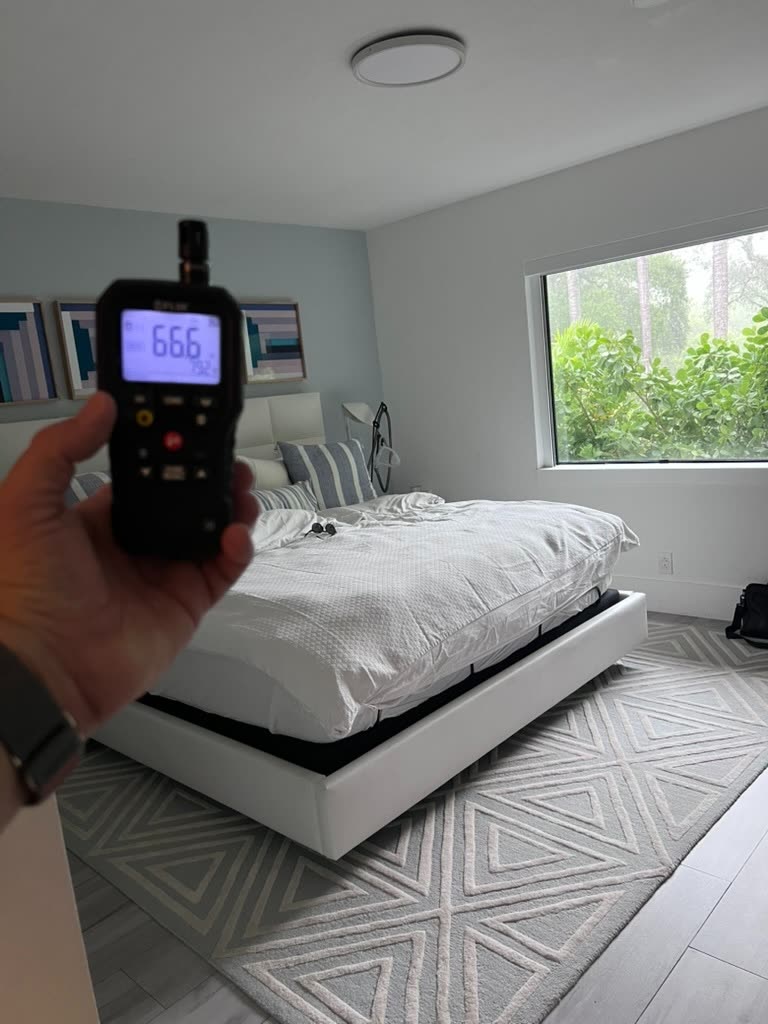
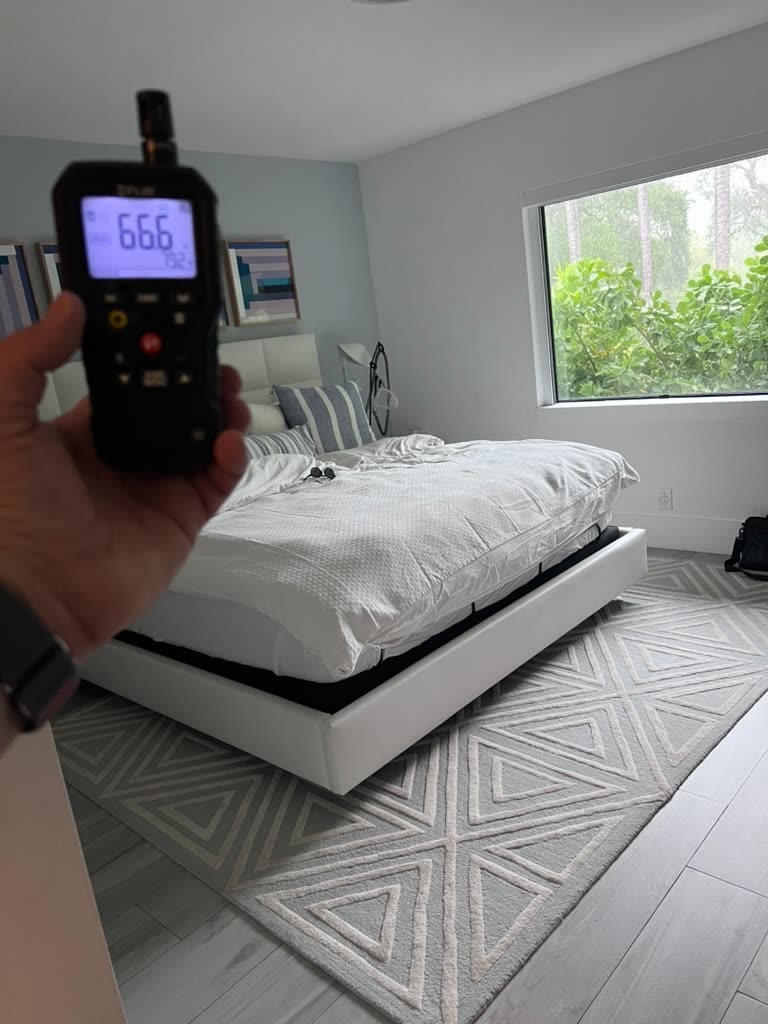
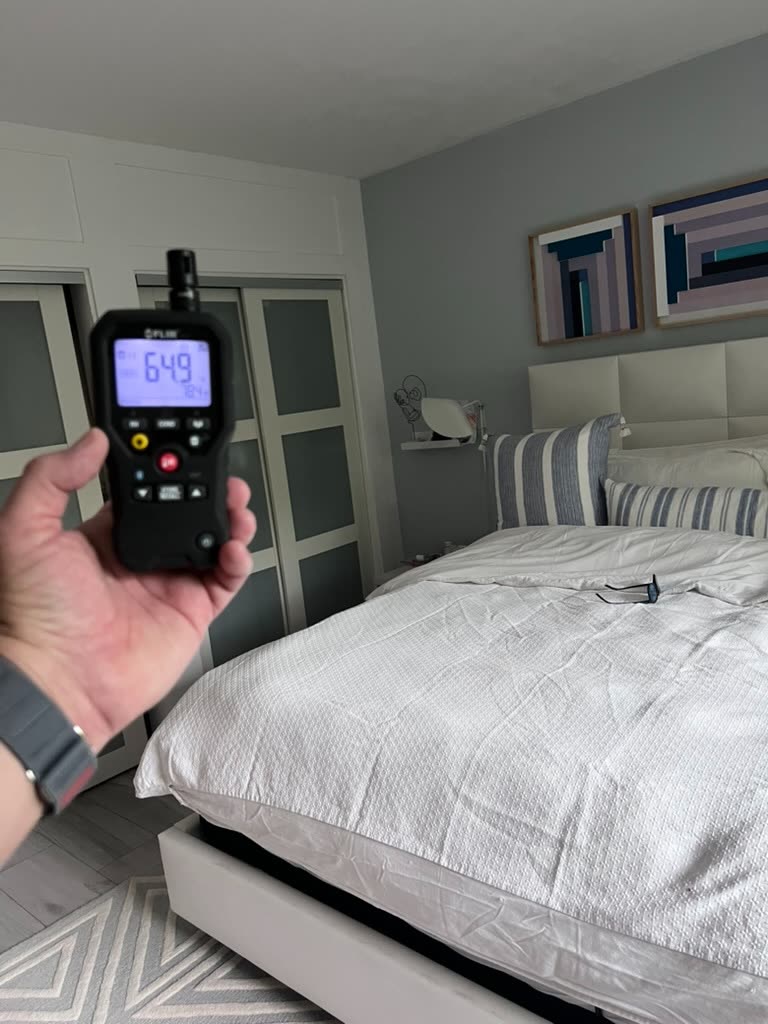
A complete moisture inspection was performed using a professional thermo-hygrometer to measure ambient temperature and relative humidity throughout the home's living areas, in addition to targeted moisture readings around the HVAC equipment. Elevated moisture conditions and condensation were identified around portions of the HVAC equipment. Although no active plumbing leak was discovered, the continuous presence of condensation, combined with heavy dust accumulation, created an environment capable of supporting mold growth inside the system.
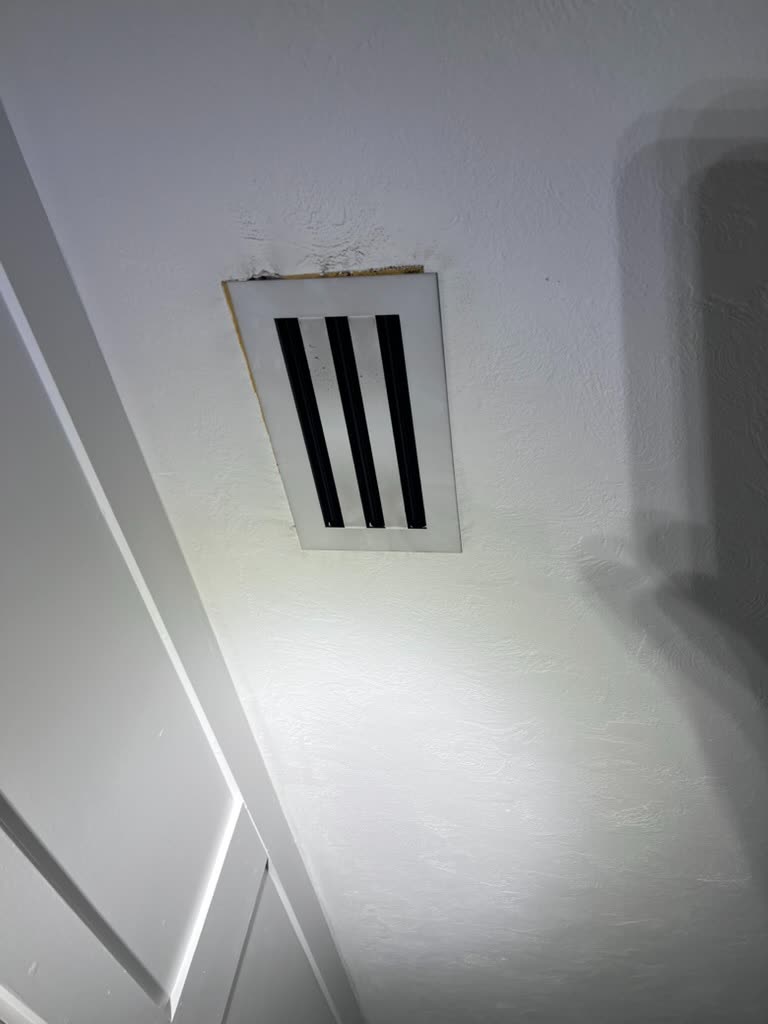
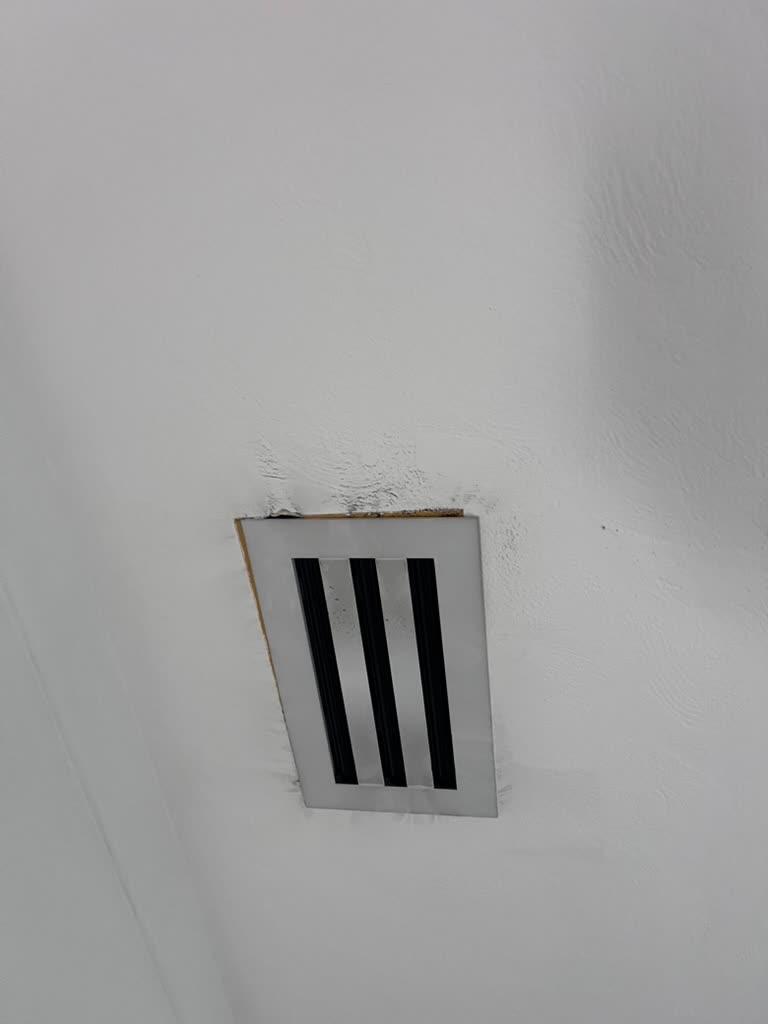
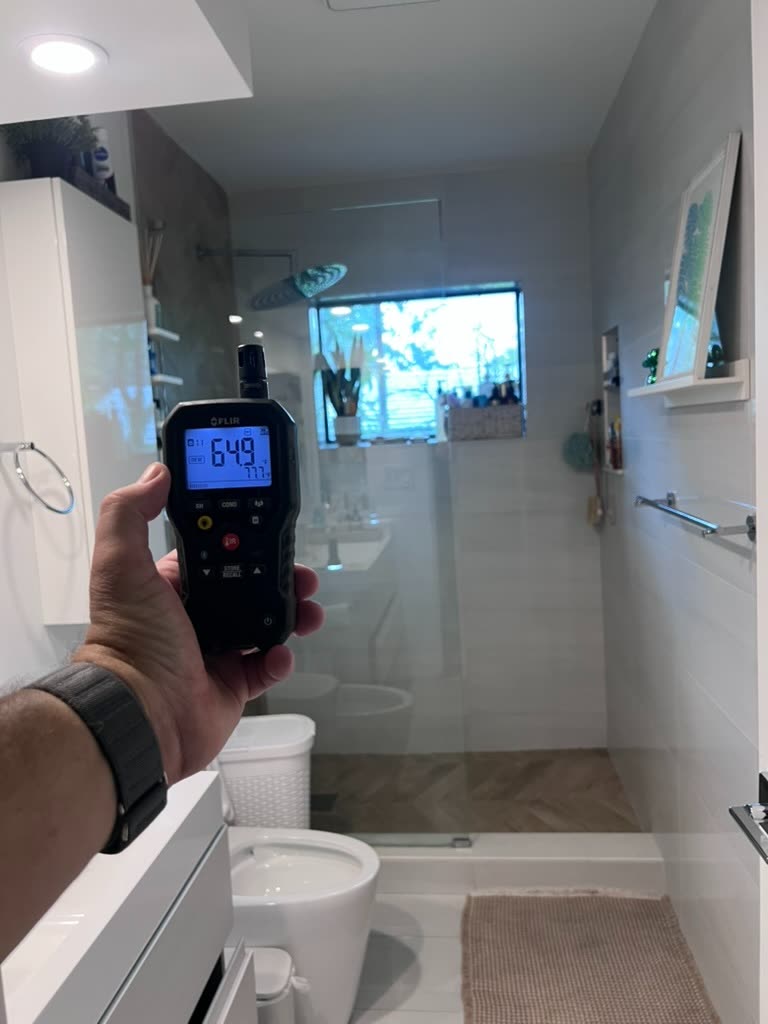
Ambient humidity readings taken in the master bedroom measured between 73% and 79.2% relative humidity, at temperatures of approximately 66–67°F. A reading taken in the primary bathroom measured 77.7% to 78.4% relative humidity at approximately 65°F. These relative humidity levels are well above the 30–50% range generally recommended to limit mold growth indoors, and are consistent with a home where the HVAC system was not adequately managing indoor moisture.
Indoor Air Quality Impact
As the HVAC system operated, contaminated air had the potential to circulate mold spores and accumulated dust throughout the home's ductwork and living areas. The homeowner reported:
- Persistent musty odors
- Excessive dust buildup throughout the home
- Allergy-like symptoms
- Sneezing and nasal irritation
- Reduced confidence in the home's indoor air quality
Laboratory Results
Laboratory analysis confirmed the presence of Aspergillus/Penicillium and Cladosporium spores, based on the EMSL laboratory report. These findings are consistent with the visible microbial growth documented on the air handler cabinet, blower compartment, supply plenum, and platform cavity, and support the visual and moisture assessment conclusions reached during the on-site inspection.
Professional Assessment
Based on the visual inspection, moisture mapping, laboratory analysis, and HVAC evaluation, the primary source of contamination was determined to be the air handling system and its surrounding platform cavity. The combination of accumulated dust, elevated ambient humidity, deteriorated plenum sealing, and advanced microbial staining inside the platform cavity created favorable conditions for microbial growth and allowed contaminants to circulate throughout the home. The platform cavity finding in particular indicated that contamination had been developing for a longer period than the visible ductwork alone would suggest, since that space is not exposed to routine cleaning, filter changes, or casual observation.
Recommendations
Home Enviro recommended the following:
- Professional HVAC cleaning and decontamination
- Removal of visible microbial contamination from accessible HVAC components
- Remediation of the contaminated platform cavity, including affected plywood decking and insulation surrounding the condensate pump
- Replacement of deteriorated HVAC tape and proper sealing of the supply plenum
- Inspection and cleaning of the ductwork, if contamination is confirmed
- Correction of condensation issues and improved dehumidification to reduce future moisture accumulation
- Installation of quality HVAC filters appropriate for the system
- Independent Post Remediation Verification (PRV) after remediation is completed to confirm acceptable indoor air quality
Conclusion
This Coral Gables inspection demonstrates how an HVAC system can become a significant source of indoor air quality problems when excessive dust accumulation combines with elevated moisture and deteriorated air sealing. Even without a major water leak, these conditions can promote mold growth and allow contaminants to circulate throughout the home each time the air conditioning system operates. The discovery of extensive microbial staining inside the rarely accessed platform cavity above the air handler closet, paired with ambient humidity readings well above the recommended range throughout the home, underscored how much contamination can develop out of sight before symptoms prompt an inspection. Routine HVAC maintenance, moisture control, and professional mold assessments are essential for identifying these issues before they become more widespread and costly to correct. For homeowners in Coral Gables dealing with unexplained dust, odors, or allergy symptoms tied to their AC, this case is a reminder that HVAC mold inspection is often the only way to confirm whether the air conditioning system is contributing to poor indoor air quality.
Case Summary
Inspection Type: Residential HVAC Mold Inspection
Property Location: Coral Gables, Florida
System Location: Central air handling unit
Services Performed: Visual inspection, moisture assessment, HVAC evaluation, mold assessment, laboratory sampling (EMSL Analytical)
Outcome: HVAC professionally cleaned and decontaminated, deteriorated plenum tape replaced and resealed, independent PRV clearance confirmed acceptable indoor air quality
Frequently Asked Questions
Can dust and mold in an HVAC system happen without a water leak?
Yes. This case documented significant mold growth inside an air handler with no active plumbing leak present. Condensation that naturally forms during normal AC operation, combined with heavy dust accumulation and deteriorated plenum sealing, can create enough sustained moisture to support mold growth inside the system over time.
Why does dust keep returning even after cleaning and filter changes?
When HVAC tape and plenum seals deteriorate, gaps open that allow unfiltered dust and air to bypass the filter and enter the system directly. Regular filter changes cannot compensate for a sealing failure, which is why dust often returns despite consistent maintenance.
What are the signs my HVAC system may be contributing to indoor air quality problems?
Common warning signs include musty odors that appear when the AC runs, dust that accumulates faster than normal, allergy symptoms such as sneezing or nasal irritation that are worse at home, and visible discoloration around vents or HVAC components. A professional HVAC mold inspection with moisture mapping is the most reliable way to confirm the cause.
Is Post-Remediation Verification necessary after HVAC mold cleanup?
Yes. Independent PRV testing after remediation confirms that mold levels have returned to acceptable, background-level conditions. Because the remediation company should not verify its own work, an independent inspection provides an unbiased confirmation for the homeowner.
What mold species were found in this Coral Gables HVAC case?
Laboratory analysis by EMSL confirmed the presence of Aspergillus/Penicillium and Cladosporium spores. Both are common HVAC-associated species in South Florida's warm, humid climate, and both were consistent with the visible microbial growth documented on the air handler, plenum, and platform cavity components during the inspection.
Related Services
- HVAC Mold Inspection — the specific service performed in this case, covering air handler, plenum, and duct assessment
- Air Quality Testing — indoor air quality testing for mold spores, allergens, and HVAC contamination
- Mold Testing & Lab Analysis — the air sampling and EMSL laboratory analysis service that confirmed species and concentrations for this case
Home Enviro Serves South Florida and Coral Gables, Florida Homeowners
Home Enviro is a licensed mold inspection and air quality testing firm serving South Florida, with mold inspection services available for Coral Gables homeowners dealing with HVAC-related dust, odor, and air quality concerns like the one documented in this case. Florida mold assessor license MRSA675. If your home shows signs of mold in your air conditioning system, unexplained dust buildup, or allergy symptoms that improve away from home, our team can perform a comprehensive HVAC mold inspection to identify the source. Call (954) 994-8847 to schedule an inspection.
Schedule Your HVAC Mold Inspection
Licensed mold inspectors serving South Florida and Coral Gables homeowners with concerns about HVAC dust accumulation, deteriorated plenum sealing, and indoor air quality. Call today for same-week appointments.
Request an Inspection (954) 994-8847