Learning Center
Expert education on mold inspection, indoor air quality, HVAC contamination, and moisture control from Home Enviro's licensed mold assessors.
Knowledge Is Your First Line of Defense
Understanding how mold grows, spreads, and affects indoor air quality helps property owners take faster, more informed action. Home Enviro's licensed mold assessors share professional insights gathered across thousands of inspections throughout South Florida.
From HVAC mold contamination to moisture mapping and laboratory testing, this resource center covers the topics homeowners, buyers, sellers, and property managers need most.
Educational content from licensed mold assessors with 20+ years of South Florida experience.
Ask a QuestionLicensed and certified. Serving Broward, Miami-Dade, and Palm Beach Counties.
Featured Topic: Negative Pressure and Duct Leakage
One of the most common, least understood causes of hidden mold in South Florida homes is negative building pressure caused by duct leakage. When ductwork leaks or exhaust fans run unbalanced, homes pull in humid replacement air that can condense inside walls and attics for months without any visible sign.
Read the complete educational guide, with diagrams, real inspection evidence, and FAQs, at Florida Mold Experts.
Mold Inside HVAC Systems
One of the most common and often overlooked sources of indoor mold contamination in South Florida homes and commercial buildings.
How Mold Develops in HVAC Systems
HVAC systems create ideal conditions for mold growth. Warm, moist air passes through the air handler, ductwork, and coils continuously. When humidity levels are elevated, condensation builds on interior surfaces, providing the moisture mold spores need to germinate and spread.
In South Florida, where outdoor humidity regularly exceeds 80%, even a well-maintained HVAC system can develop mold contamination if cooling cycles are irregular, drip pans are not cleaned, or if there are leaks anywhere in the system.
Once mold colonizes inside an air handler or duct, the system distributes spores throughout the entire property with every cycle, affecting every room whether or not visible mold is present.
Warning Signs Homeowners Should Watch For
How HVAC Mold Is Identified
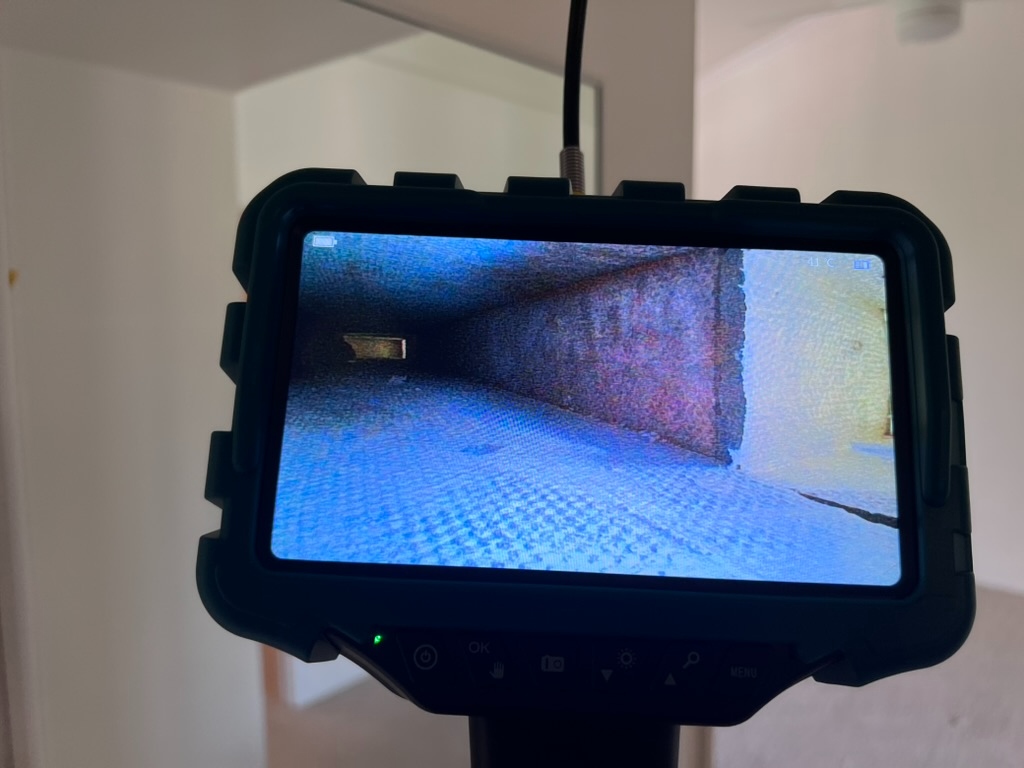
Identifying hidden mold inside HVAC systems requires professional tools and methods beyond a visual check.
Air Sampling
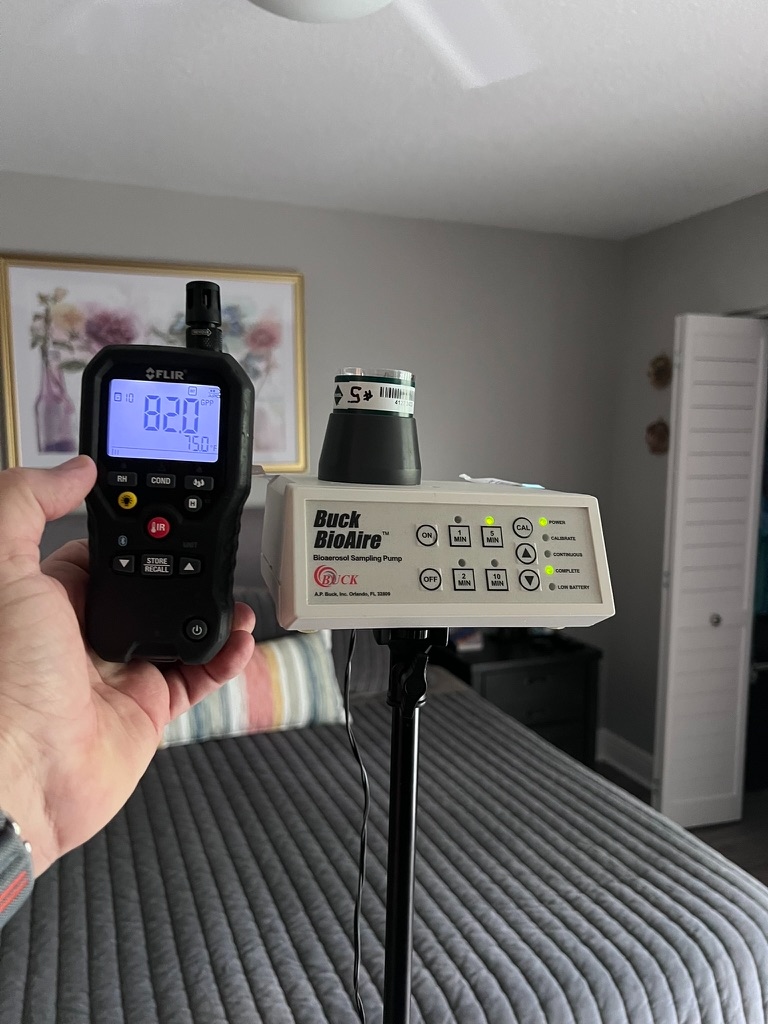
Air samples are collected at supply and return registers and analyzed by a certified laboratory. Elevated mold spore counts confirm contamination even when nothing is visible.
Thermal Imaging
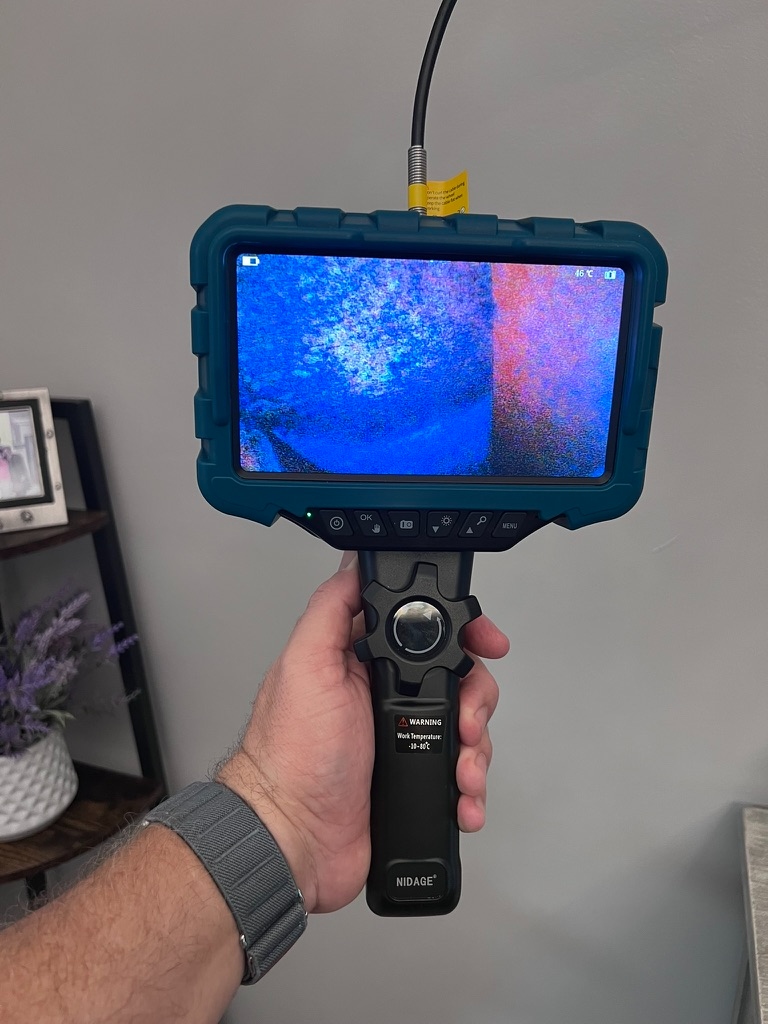
Infrared cameras detect temperature differences that indicate moisture accumulation inside walls, ceilings, and around ductwork, revealing hidden problem areas before mold becomes visible.
Moisture Mapping
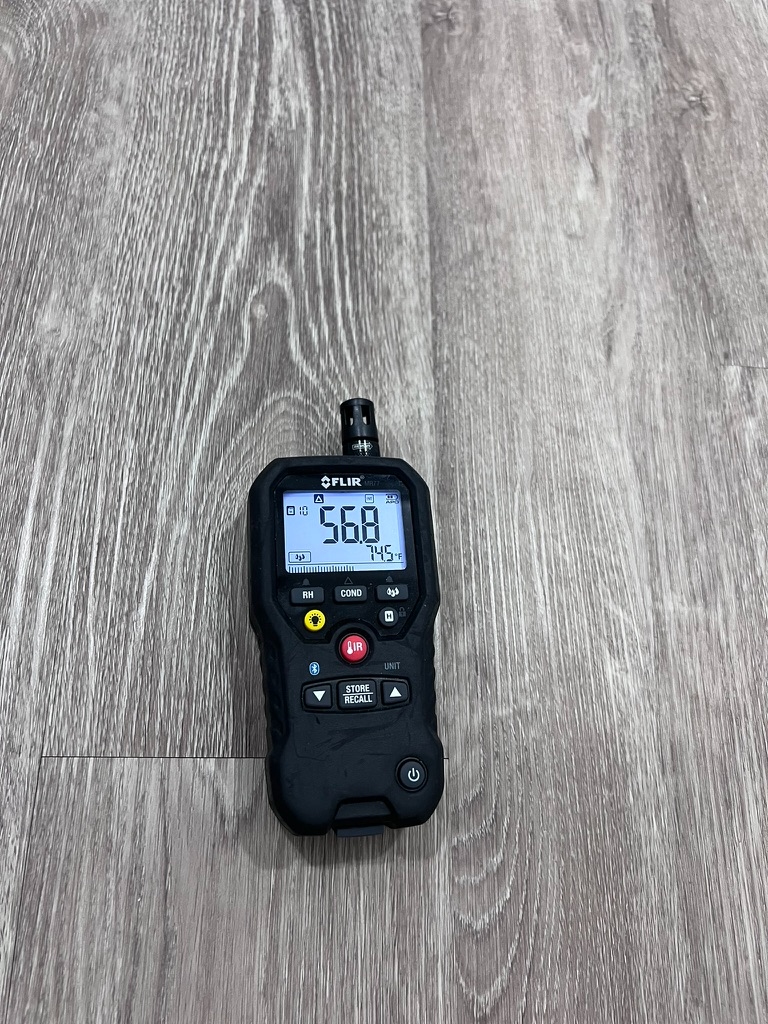
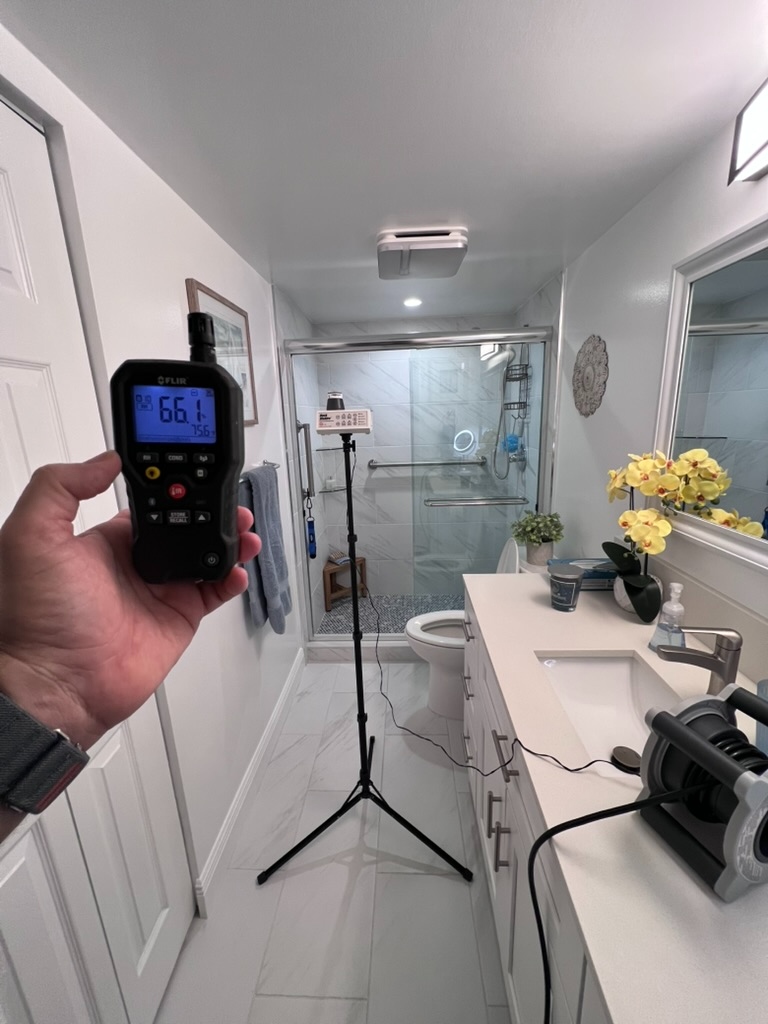
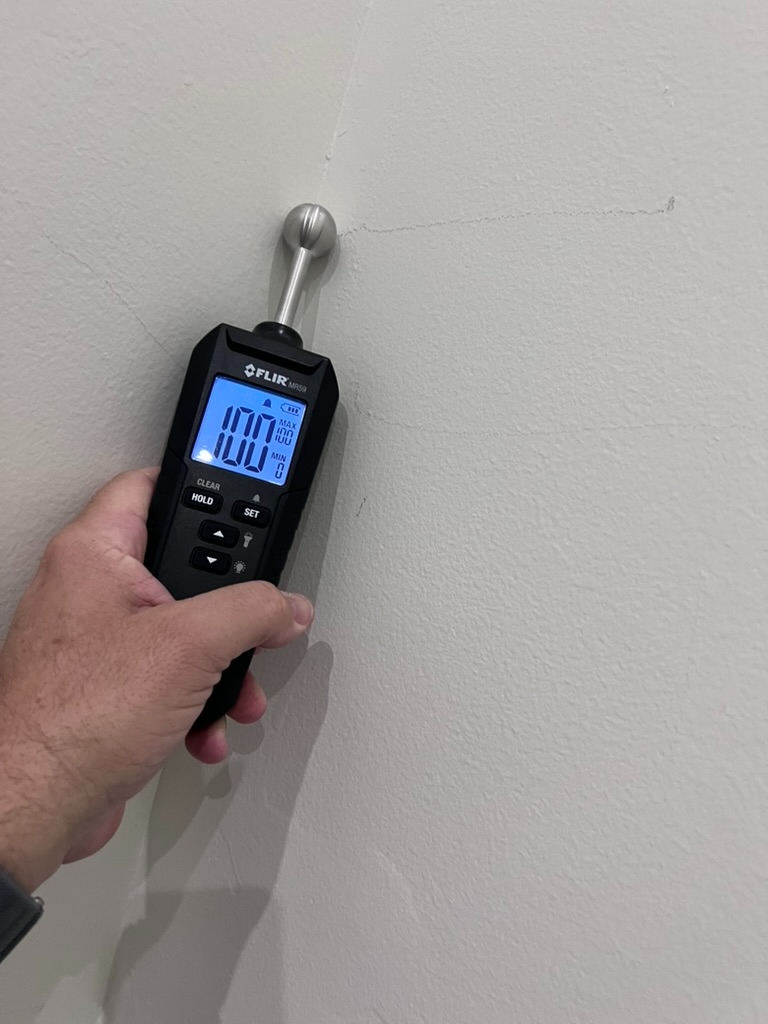
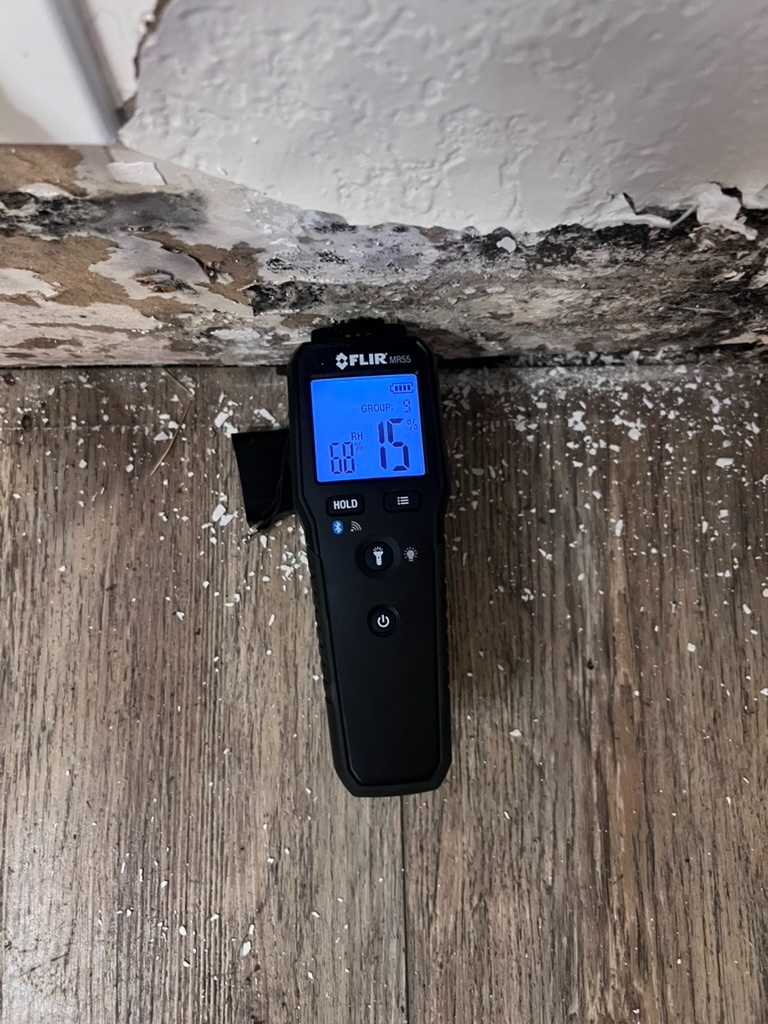
Digital moisture meters measure moisture content in building materials surrounding the HVAC system, identifying zones of elevated moisture that support mold growth.
Laboratory Analysis
All samples are sent to a certified laboratory that identifies the specific mold species present and their concentrations, providing documentation for insurance, legal, or remediation purposes.
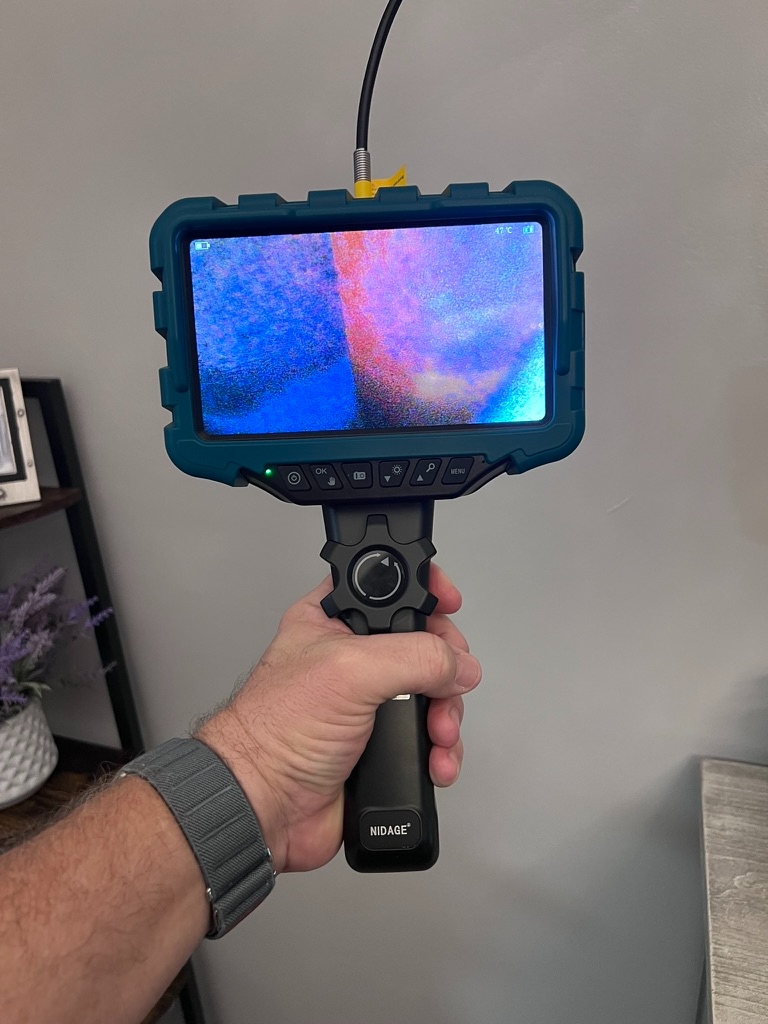
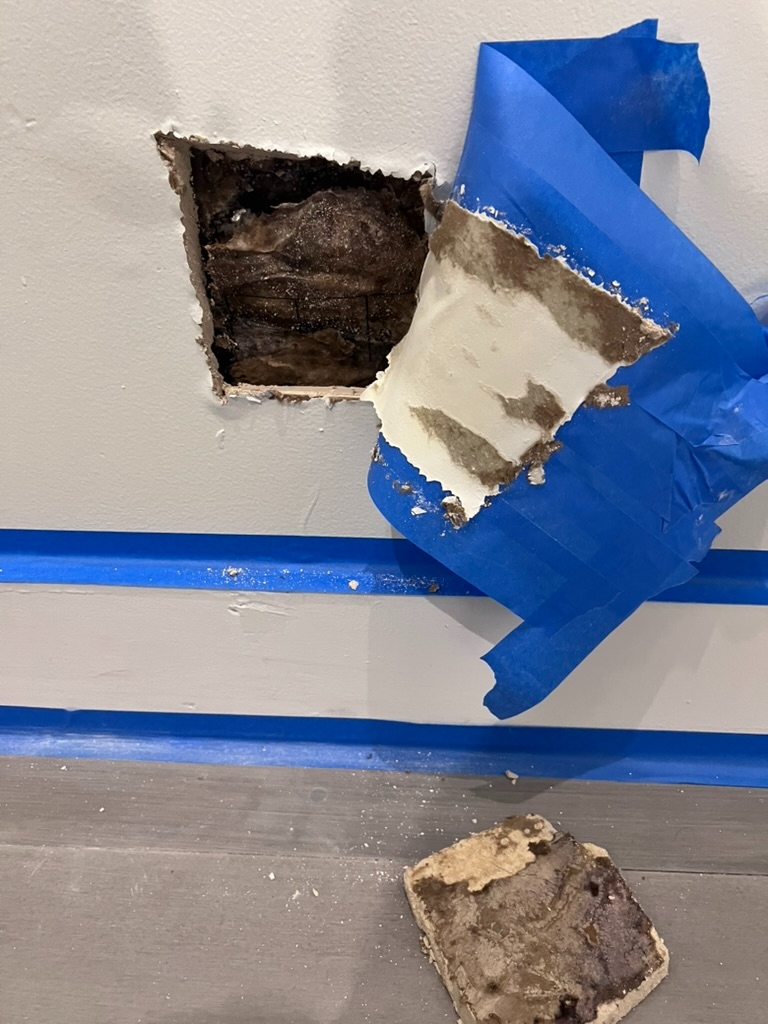
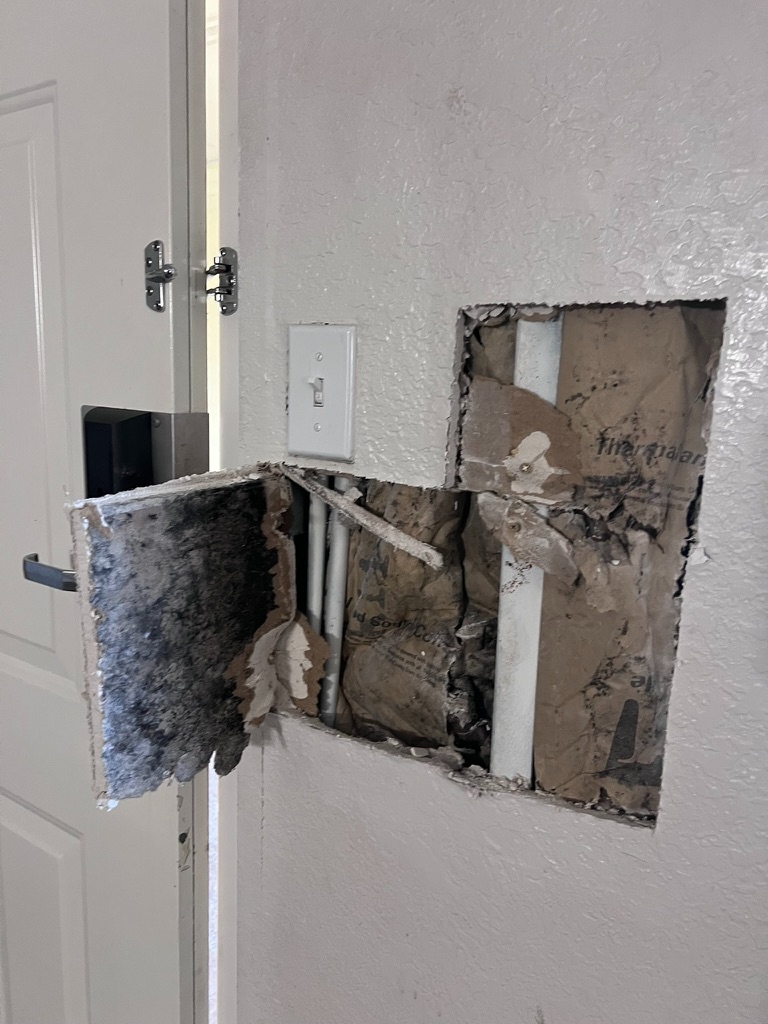
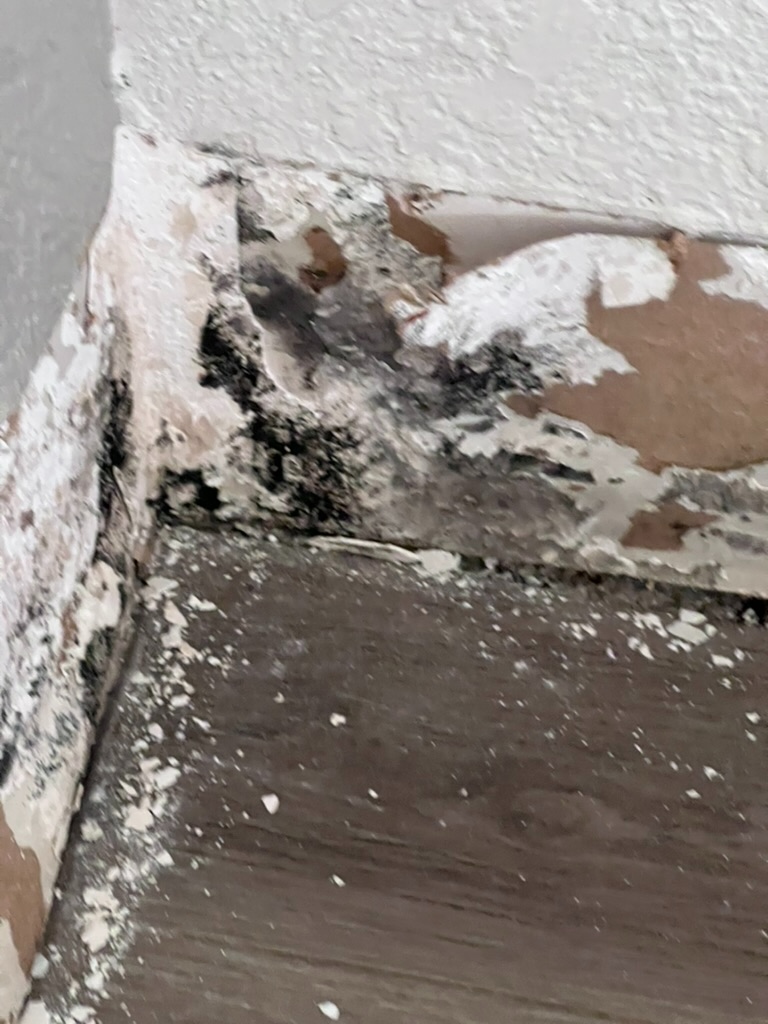
Inspection Equipment and Field Work
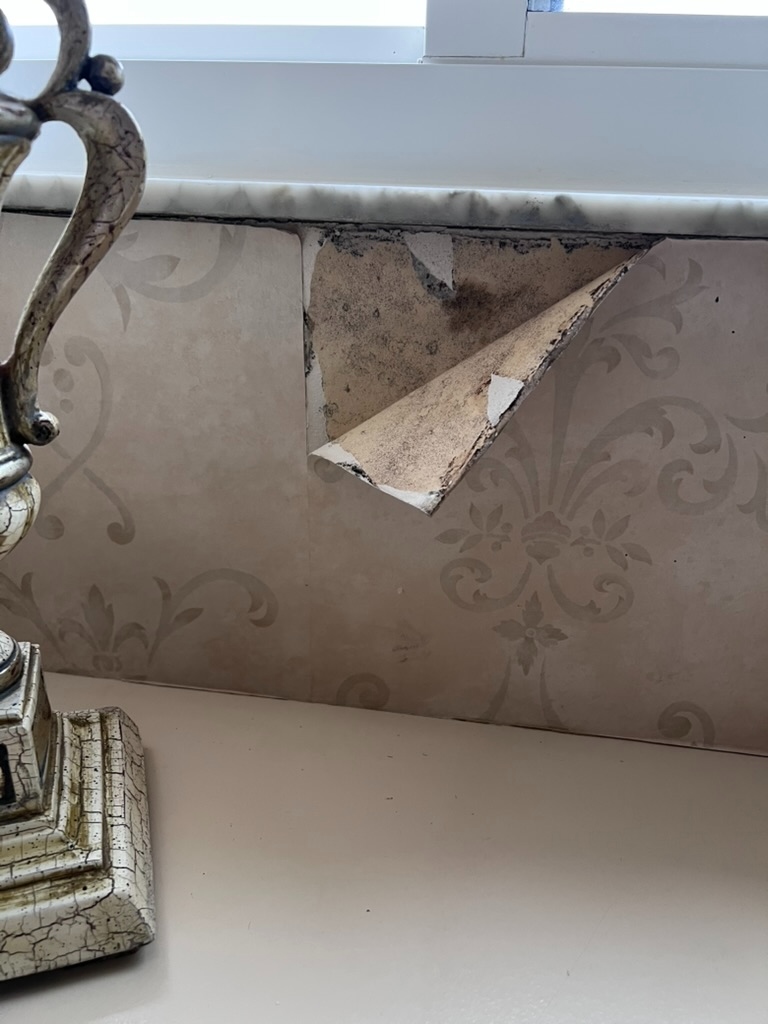
A look at the professional tools and real inspection scenarios our licensed mold assessors use throughout South Florida.

Moisture Control Essentials
Controlling moisture is the single most effective way to prevent mold growth in South Florida properties.
South Florida's subtropical climate creates conditions that accelerate mold growth. Elevated outdoor humidity, frequent rain events, high temperatures, and year-round air conditioning use create constant moisture stress on building materials and HVAC systems.
Properties that experience roof leaks, plumbing leaks, HVAC condensation issues, storm-related water intrusion, or poor ventilation are at significantly higher risk of developing mold contamination.
Key Moisture Control Practices
Water Intrusion and Mold Growth
Water intrusion is the single leading cause of mold contamination in South Florida homes. Understanding where it enters and how fast mold follows is essential for every property owner.
How Water Enters South Florida Homes
Water intrusion in South Florida properties occurs through several common pathways. Roof and fascia failures allow wind-driven rain to enter attic spaces during storms. Stucco cracks and failing window or door seals admit moisture into wall cavities. Concrete block construction without an exterior moisture barrier allows ground-level water to wick upward through the slab and block cells. Plumbing supply and drain line leaks behind finished surfaces are particularly damaging because they can go undetected for months.
Once water enters a wall cavity or subfloor, visible mold can develop within 24 to 48 hours under South Florida temperature and humidity conditions. Mold that develops inside enclosed wall cavities is invisible until building materials are disturbed, which is why infrared thermal imaging and moisture meters are essential tools in any thorough mold inspection.
Signs of Water Intrusion
- Staining, discoloration, or bubbling paint on walls or ceilings
- Soft or spongy drywall or baseboard at floor level
- Efflorescence (white salt deposits) on concrete block walls
- Musty odor without visible mold growth
- Elevated humidity readings in a specific room
- Grout lines that are raised, cracked, or lifting
- Dark staining around window or door frames
What to Do When You Suspect Water Intrusion
Step 1: Stop the source
Stop the water entry before mold remediation can succeed. If the source is not identified and corrected, mold will return. A mold investigation traces the exact moisture pathway.
Step 2: Document the extent
Before any demolition or drying begins, a professional mold inspection documents the moisture extent and mold scope. This documentation is required by insurers and remediation contractors.
Step 3: Independent verification after remediation
After remediation, a post-remediation clearance inspection with laboratory air sampling confirms the work is complete before walls are closed and finishes are replaced.
Black Mold vs Common Mold
The term "black mold" is widely used but frequently misunderstood. Here is what South Florida homeowners and property managers need to know about mold species and health risk.
What People Mean by "Black Mold"
When people refer to "black mold" they are typically referring to Stachybotrys chartarum, a species associated with chronic water-damaged materials. Stachybotrys grows on cellulose-rich materials such as drywall paper, wood, and cardboard that have been wet for extended periods, typically more than seven to ten days. It is dark greenish-black in color and has a slimy texture when active.
However, many other mold species also appear black or dark in color, including Cladosporium, Alternaria, and Aspergillus niger. Color alone cannot be used to identify a mold species. Laboratory analysis of collected samples is the only reliable way to confirm which species are present.
Stachybotrys chartarum
Requires sustained water damage (7 to 10 days minimum). Grows on drywall, ceiling tiles, wood, and paper. Produces mycotoxins under certain conditions. Confirmable only by laboratory analysis.
Confirmed by lab onlyCladosporium and Alternaria
Very common outdoor molds that also grow indoors when moisture is elevated. Associated with respiratory irritation and allergic reactions. Most frequently found in South Florida homes with humidity or water intrusion issues.
Common, action warranted at elevated levelsAspergillus and Penicillium
Both are common indoor molds that grow on a wide variety of building materials. Certain Aspergillus species produce mycotoxins. Penicillium is frequently found in water-damaged paper, drywall, and HVAC ductwork. Both are actionable when found at elevated indoor concentrations.
Actionable above outdoor reference levelsChaetomium and Ulocladium
Both require sustained moisture and are strong indicators of chronic or ongoing water damage. Chaetomium is frequently found in roof leak and wall cavity moisture scenarios. Their presence in a building typically indicates a significant unresolved moisture problem.
Indicates sustained water damageKey Takeaway
The only way to confirm which mold species are present in your property is through laboratory analysis of professionally collected air or surface samples. Visual assessment or home test kits cannot provide reliable species identification or actionable concentration data. A licensed air quality test with accredited lab analysis is the professional standard.
Pre-Purchase Mold Inspections in South Florida
Buying a home or commercial property in South Florida without an independent mold inspection is a significant financial risk. Here is what every buyer should know before closing.
Why Pre-Purchase Inspections Matter More Here
South Florida's climate makes mold more common in residential properties than in most other regions of the United States. The combination of year-round warmth, sustained high humidity, frequent heavy rainfall, and an active hurricane season creates near-ideal conditions for mold growth. Many properties have had prior water damage events that were not fully remediated or were remediated without proper clearance testing.
A standard home inspector is not trained to identify hidden mold contamination. They typically observe visible conditions and note obvious water staining, but they do not collect air samples, use thermal imaging for hidden moisture, or provide laboratory documentation of mold levels. An independent mold inspection by a licensed mold assessor is a separate and specialized service.
What to Request Before Closing
- Full property mold inspection with air sampling and thermal imaging
- Disclosure of any prior insurance claims for water damage
- Copies of any prior mold remediation certificates
- Independent PRV clearance letter if prior remediation was performed
- HVAC service records and air handler inspection
Using Inspection Results in Negotiations
A professional mold inspection report with laboratory results documenting elevated mold levels or active moisture conditions gives buyers a documented basis for negotiation. Common outcomes include seller price reductions to fund remediation, seller-funded remediation with buyer-requested clearance, credits at closing, or withdrawal from the contract under inspection contingency.
Home Enviro provides independent pre-purchase inspections throughout Broward, Palm Beach, and Miami-Dade counties. Our reports are accepted by real estate attorneys, lenders, and title companies. See our flat-rate pricing or call to schedule same-day service.
Schedule a Pre-Purchase InspectionFlorida Mold Licensing Requirements
Florida is one of the few states that licenses mold assessors and remediators separately by law. Understanding this separation protects property owners.
Licensed Mold Assessor
A licensed mold assessor inspects properties, collects samples, interprets laboratory results, and issues written mold assessment reports. Under Florida Statute 468.84, a mold assessor is prohibited from also performing mold remediation on the same property.
Home Enviro license: MRSA675
Licensed Mold Remediator
A licensed mold remediator physically removes mold contamination and restores affected areas. They are prohibited from assessing or certifying their own remediation work. The separation of assessor and remediator roles prevents conflicts of interest that harm property owners.
Note: Any company that both inspects and remediates creates a conflict of interest prohibited by Florida law.
Why This Matters to You
When a mold remediation company offers to inspect and remediate, they have a financial incentive to find mold and to declare their own remediation complete. An independent licensed assessor has no financial interest in the remediation outcome. Home Enviro is inspection only. We never remediate. Our assessments are always independent.
Frequently Asked Questions
What is the difference between mold inspection and mold testing?
A mold inspection is a visual assessment performed by a licensed mold assessor who examines a property for visible mold growth, moisture conditions, and environmental factors that contribute to mold. Mold testing involves collecting air or surface samples that are sent to a certified laboratory to identify the types and concentrations of mold spores present. Most thorough evaluations include both a visual inspection and laboratory testing.
How long does a mold inspection take?
A standard residential mold inspection typically takes between one and three hours depending on the size of the property and the number of areas of concern. Larger homes, commercial buildings, and properties with complex moisture issues may require additional time. Laboratory results from air samples are generally available within two to three business days.
Can mold inside an HVAC system make me sick?
Yes. When mold is present inside an air handler or ductwork, the HVAC system distributes mold spores throughout the entire property. Continuous exposure to airborne mold spores can cause respiratory irritation, allergic reactions, sinus congestion, headaches, and other health effects, particularly in individuals with asthma, allergies, or weakened immune systems. Independent air quality testing is the only reliable way to confirm whether mold spores are being distributed through your HVAC system.
Do I need a mold inspection before buying a home in South Florida?
A pre-purchase mold inspection is strongly recommended for any property in South Florida. The region's climate creates conditions that favor mold growth, and mold contamination is frequently found in properties that appear clean on the surface. An independent inspection and laboratory analysis before closing gives buyers documentation of any existing conditions, potential remediation costs, and informed negotiating leverage.
What happens after mold remediation is complete?
After a remediation company completes its work, a Post-Remediation Verification (PRV) clearance inspection should be performed by an independent mold assessor who was not involved in the remediation. Air samples are collected and sent to a laboratory to confirm that mold levels have returned to normal background levels. A clearance letter is then issued documenting that the remediation was successful. Home Enviro provides independent PRV clearance testing throughout South Florida.
What mold species are most common in South Florida homes?
The most common mold species found in South Florida residential properties are Cladosporium, Penicillium, Aspergillus, Alternaria, and Chaetomium. Stachybotrys chartarum, often called black mold, is less common and requires sustained water damage to establish. Mold species cannot be identified by color or appearance alone. Laboratory analysis of collected air or surface samples is the only reliable way to confirm which species are present and at what concentrations.
How quickly can mold grow after water damage in South Florida?
Under South Florida's temperature and humidity conditions, visible mold growth can begin on cellulose-based materials such as drywall, wood, and paper within 24 to 48 hours of sustained moisture exposure. Mold that develops inside enclosed wall cavities and subfloor spaces may grow for weeks or months before it becomes detectable by occupants. Thermal imaging and moisture meter readings performed by a licensed mold inspector can identify active moisture conditions before visible mold is present.
Is a mold inspection required before mold remediation in Florida?
Florida law does not require a mold assessment before remediation in all cases, but a written mold assessment report is required when the affected area exceeds 10 square feet. Beyond legal requirements, an independent pre-remediation inspection is strongly recommended because it documents the extent of mold contamination before building materials are disturbed, provides a scope of work for the remediation contractor, and creates a baseline for post-remediation clearance testing. Insurance carriers also typically require documentation before approving mold-related claims.
Can I stay in my home during mold remediation?
Whether you can remain in a home during mold remediation depends on the size and location of the contamination and the remediation methods used. Small, contained remediation projects in isolated areas such as a single bathroom may not require full displacement. Larger remediation projects involving multiple rooms, HVAC systems, or structural elements typically require occupants to vacate during active work due to the use of containment barriers and the potential for elevated airborne spore counts during demolition. Home Enviro does not perform remediation, but the licensed mold assessor can advise on the scope based on inspection findings.
What is a clearance air test and when do I need one?
A clearance air test, also called a post-remediation verification (PRV) inspection, is an independent air sampling inspection performed after mold remediation is complete and before walls are closed or finishes are replaced. Air samples are collected and sent to an accredited laboratory to confirm that mold spore concentrations have returned to normal background levels. A clearance letter documenting the results is then issued. This documentation is required by most insurance carriers, lenders on refinanced properties, and buyers in real estate transactions involving prior mold. Home Enviro provides independent PRV clearance throughout South Florida.
Learn From Our Experts
Watch educational videos from Home Enviro's licensed mold assessors covering real inspection scenarios, techniques, and property owner guidance.
Video Library
Watch inspection walkthroughs, expert Q&A, and mold education videos from our licensed team.
Watch VideosHave a Question About Your Property?
Our licensed mold assessors are available to answer questions and schedule same-day inspections throughout South Florida.