Airborne Mold Spore Testing
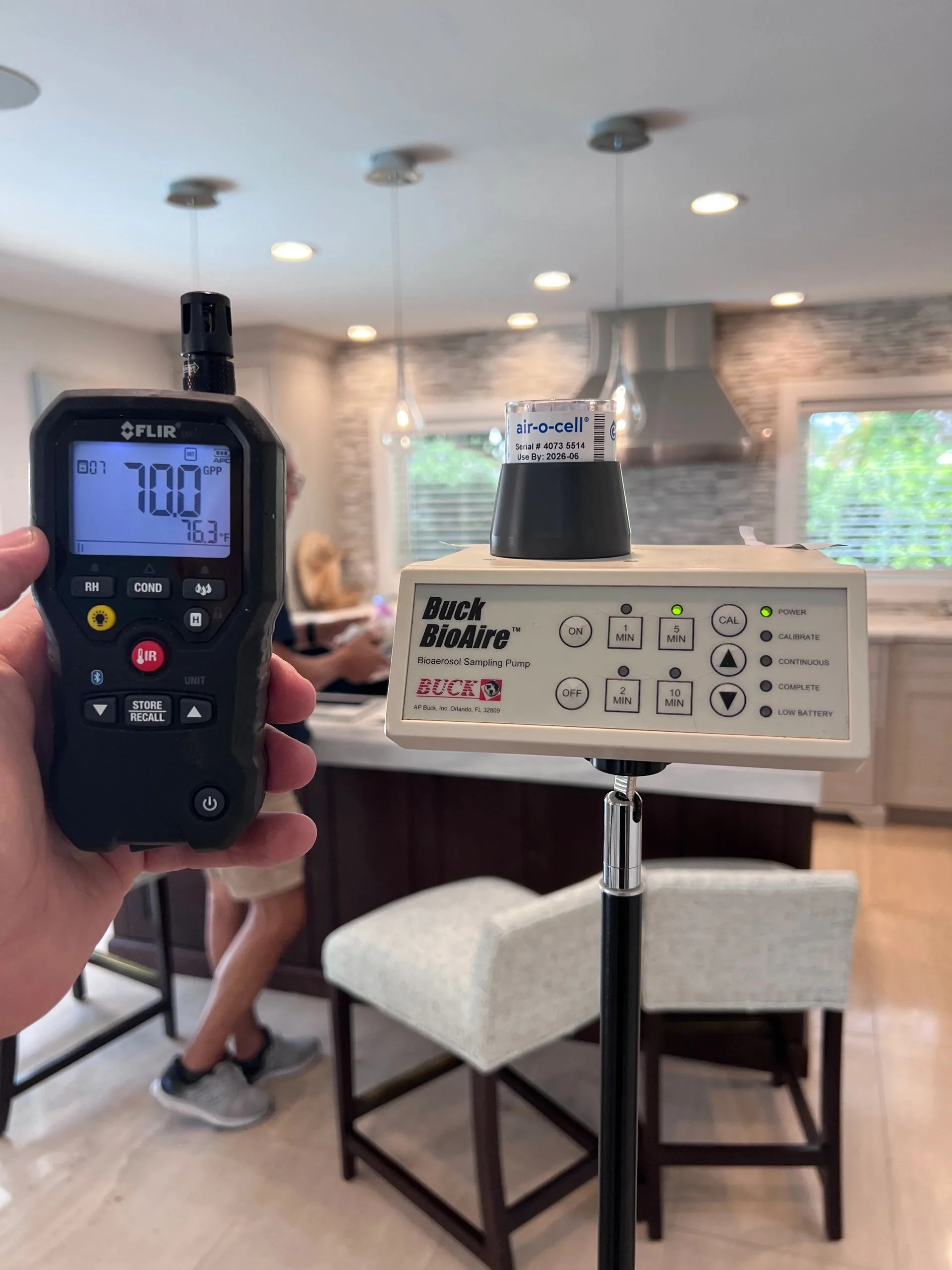
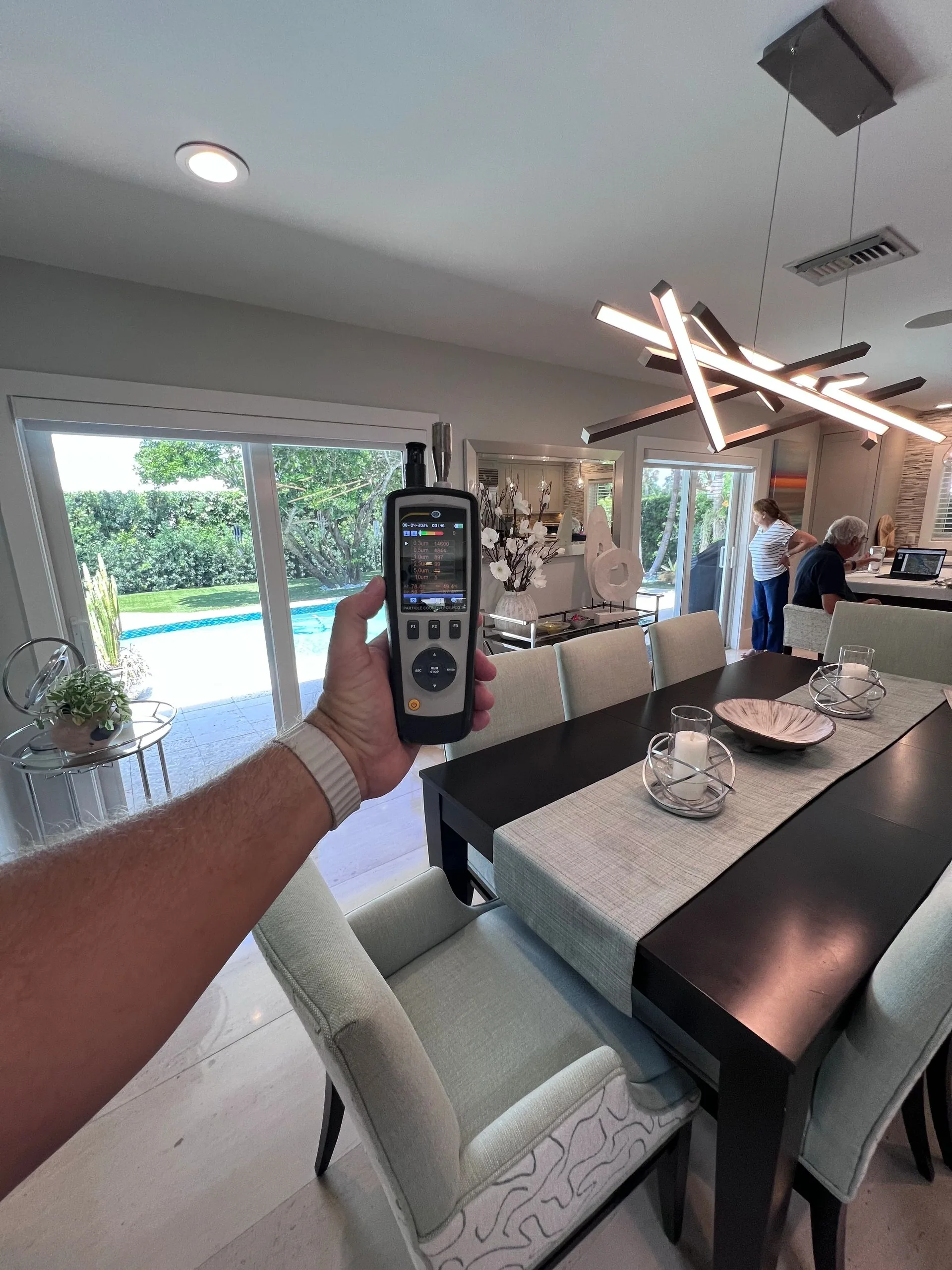
Spore trap cassettes collect air samples that are analyzed by an accredited laboratory to identify and count mold spore types and concentrations.
Home Enviro provides licensed indoor air quality testing throughout South Florida. We test for airborne mold spores, allergens, and HVAC/ductwork contamination with fast, accredited lab results and expert interpretation.
A full walkthrough of professional mold inspection methods including air sampling, surface testing, moisture metering, and how our inspectors identify hidden contamination.
Mold inside HVAC air handlers, coils, and ductwork is one of the most common causes of elevated indoor spore counts in South Florida homes. This video covers how inspectors test for HVAC contamination and what the results mean for your indoor air quality.
Indoor air can contain 2 to 5 times more pollutants than outdoor air. Air quality testing provides an objective measurement of what's actually in the air you breathe every day.
Spore trap cassettes collect air samples that are analyzed by an accredited laboratory to identify and count mold spore types and concentrations.
Air conditioning systems are a leading source of mold contamination. We sample HVAC components, coils, and duct interiors to identify hidden growth.
Every air quality report includes an outdoor baseline sample this is the scientific standard for interpreting whether indoor spore levels are elevated.
Beyond mold, indoor air can harbor dust mite allergens, pet dander, pollen, and bacterial endotoxins that affect respiratory health.
All samples are processed at AIHA-accredited laboratories. Results are interpreted by our licensed mold assessor in a comprehensive written report.
Your report includes species identification, spore counts, comparison to outdoor baseline, severity assessment, and actionable recommendations.
As required by Florida Statute 468.8411, Home Enviro is a mold assessment company only. We never perform mold remediation this means our findings are never influenced by remediation sales incentives.
When our licensed assessor tells you there's a problem or no problem you can trust that assessment completely.
Schedule Your TestFlorida's warm, humid climate supports a wide variety of mold species. A licensed mold assessor and accredited lab can identify exactly which species are present in your property.
One of the most common indoor molds in South Florida. Found in HVAC systems, damp walls, and building materials. Can cause allergic reactions and respiratory irritation, particularly in people with weakened immune systems.
Often found alongside Aspergillus in water-damaged materials, carpets, and insulation. Produces a musty odor and blue-green colonies. A known allergen that can trigger asthma and sinus infections with prolonged exposure.
An olive-green to black mold that thrives on wood, fabrics, and HVAC ducts. Extremely common outdoors in Florida but can infiltrate indoors through air systems. A major trigger for asthma and airborne allergies.
The most notorious mold species. Slimy, dark green to black in appearance, it requires sustained moisture to grow. Found on drywall, ceiling tiles, and wood after prolonged water damage. Produces mycotoxins that can cause serious health effects.
Grows on water-damaged drywall and cellulose materials. Often mistaken for black mold due to its dark appearance. Produces mycotoxins and has been linked to neurological symptoms and immune compromise with heavy long-term exposure.
A fast-spreading outdoor mold that regularly infiltrates South Florida homes through windows, doors, and HVAC systems. Commonly found in bathrooms, under sinks, and around window frames. A leading cause of mold-related allergies in Florida.
You cannot identify mold species by sight alone. Many dangerous molds look identical to harmless varieties. The only way to know exactly what is in your property is through accredited laboratory analysis. Home Enviro collects your samples and delivers lab-confirmed species identification with every inspection package.
Mold releases spores and mycotoxins into the air you breathe every day. If you or your family are experiencing any of the following, your indoor environment may be the cause.
A key indicator: symptoms that improve when you leave your home and return when you come back strongly suggest an indoor environmental source. A mold inspection can confirm or rule out your property as the cause.
These two terms are often used interchangeably, but they are different services. Understanding the difference helps you choose the right level of evaluation for your property.
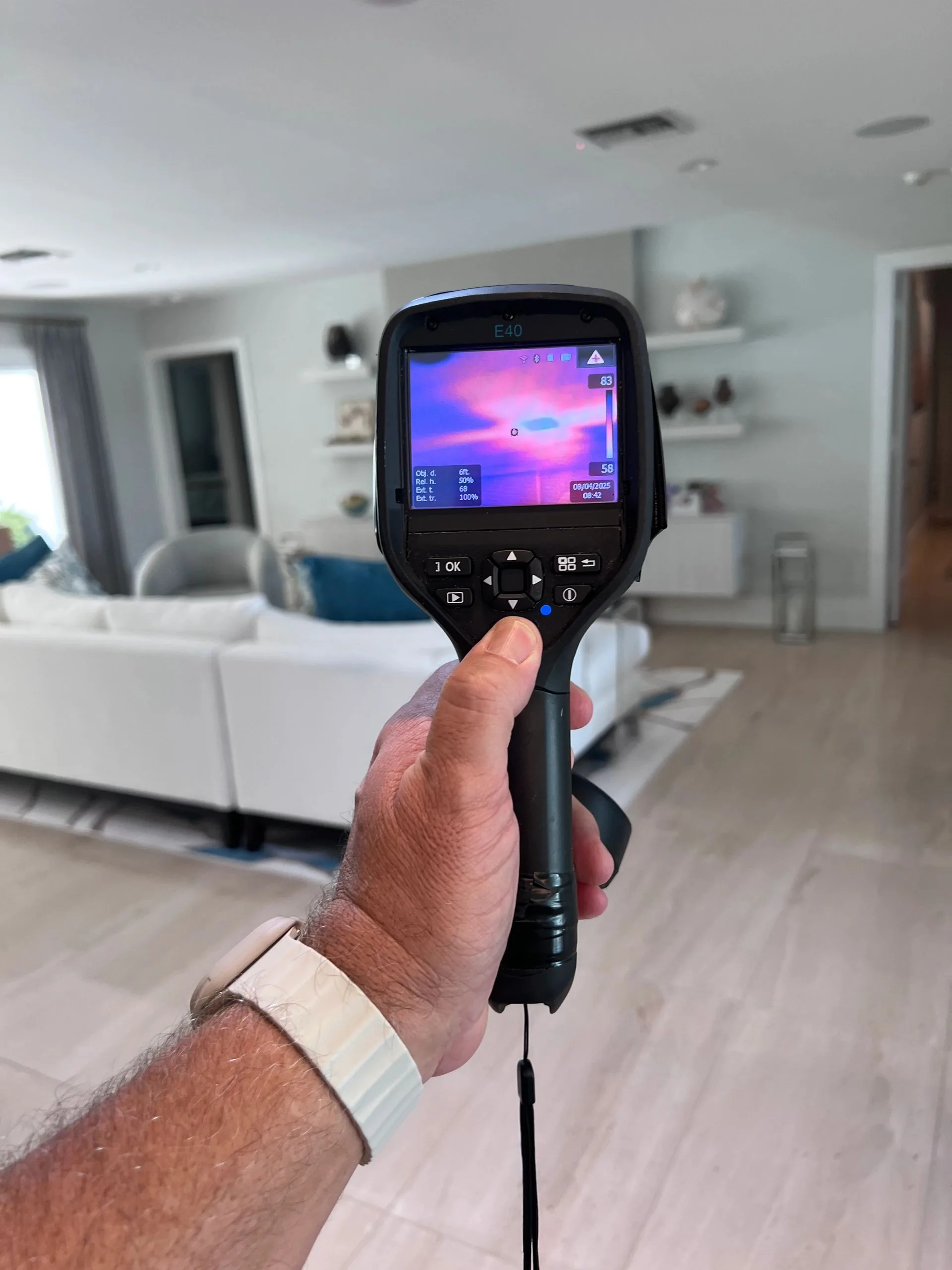
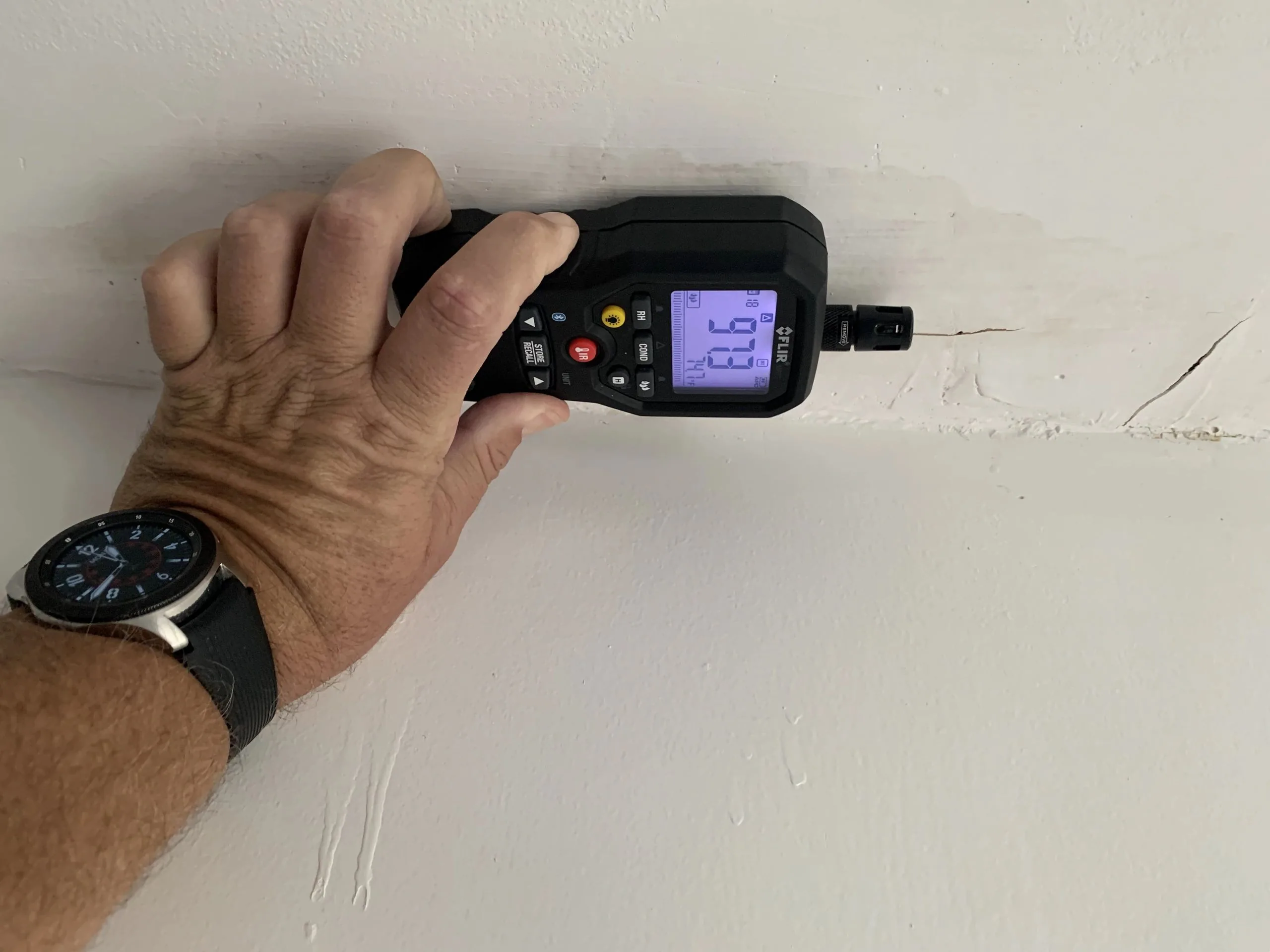
A mold inspection is a visual and instrument-based evaluation of your property. The licensed inspector uses moisture meters, thermal imaging cameras, and professional observation to identify signs of water intrusion, elevated humidity, and visible mold growth.
Mold testing involves collecting air or surface samples and sending them to an accredited laboratory for analysis. Lab results identify the specific mold species present, spore counts, and whether indoor levels are elevated compared to outdoor baseline readings.
Home Enviro performs both as part of every inspection package. The visual inspection tells us where to look. The lab testing tells us what is there. Together they give you a complete, defensible picture of your property's mold condition.
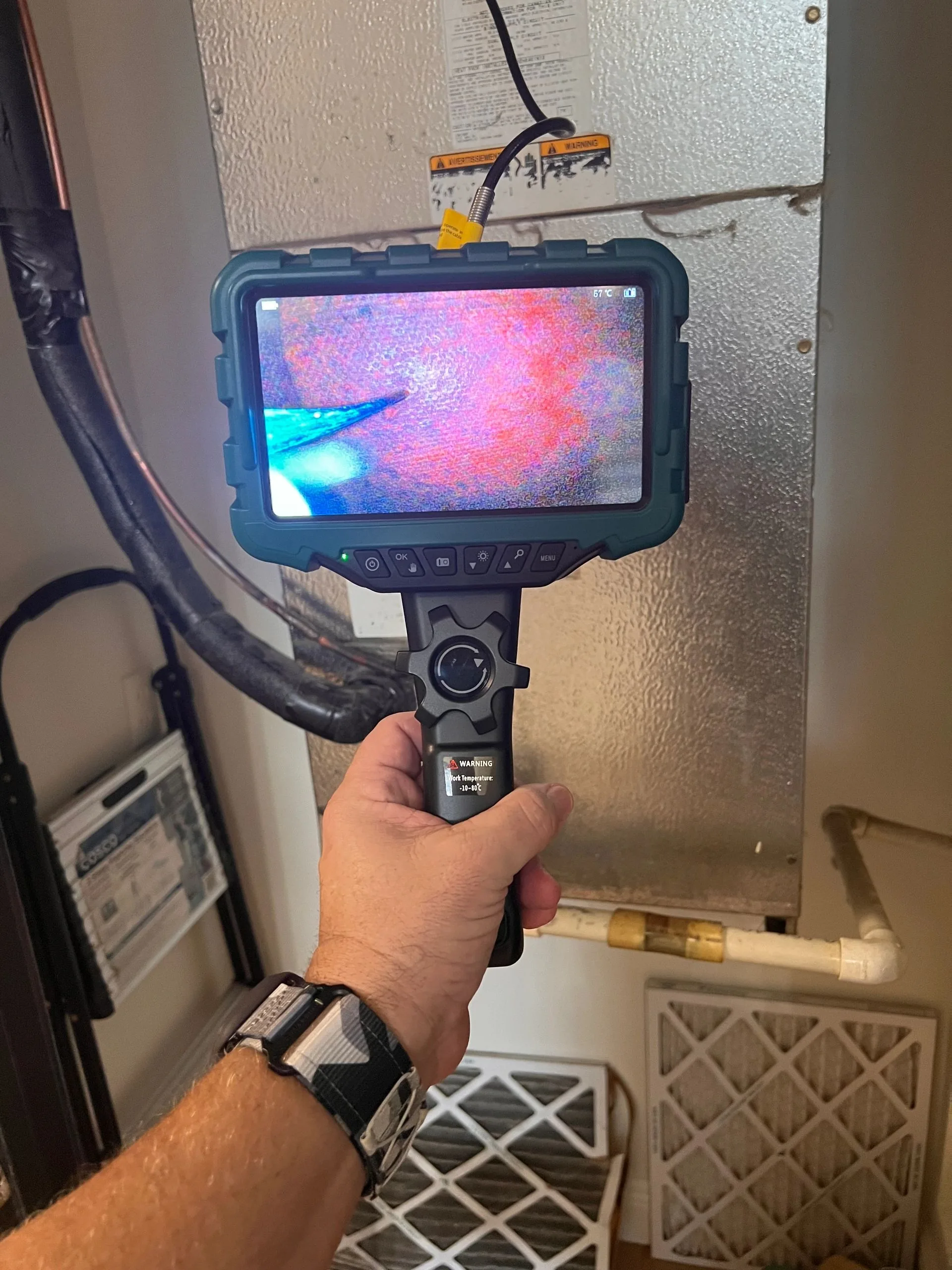
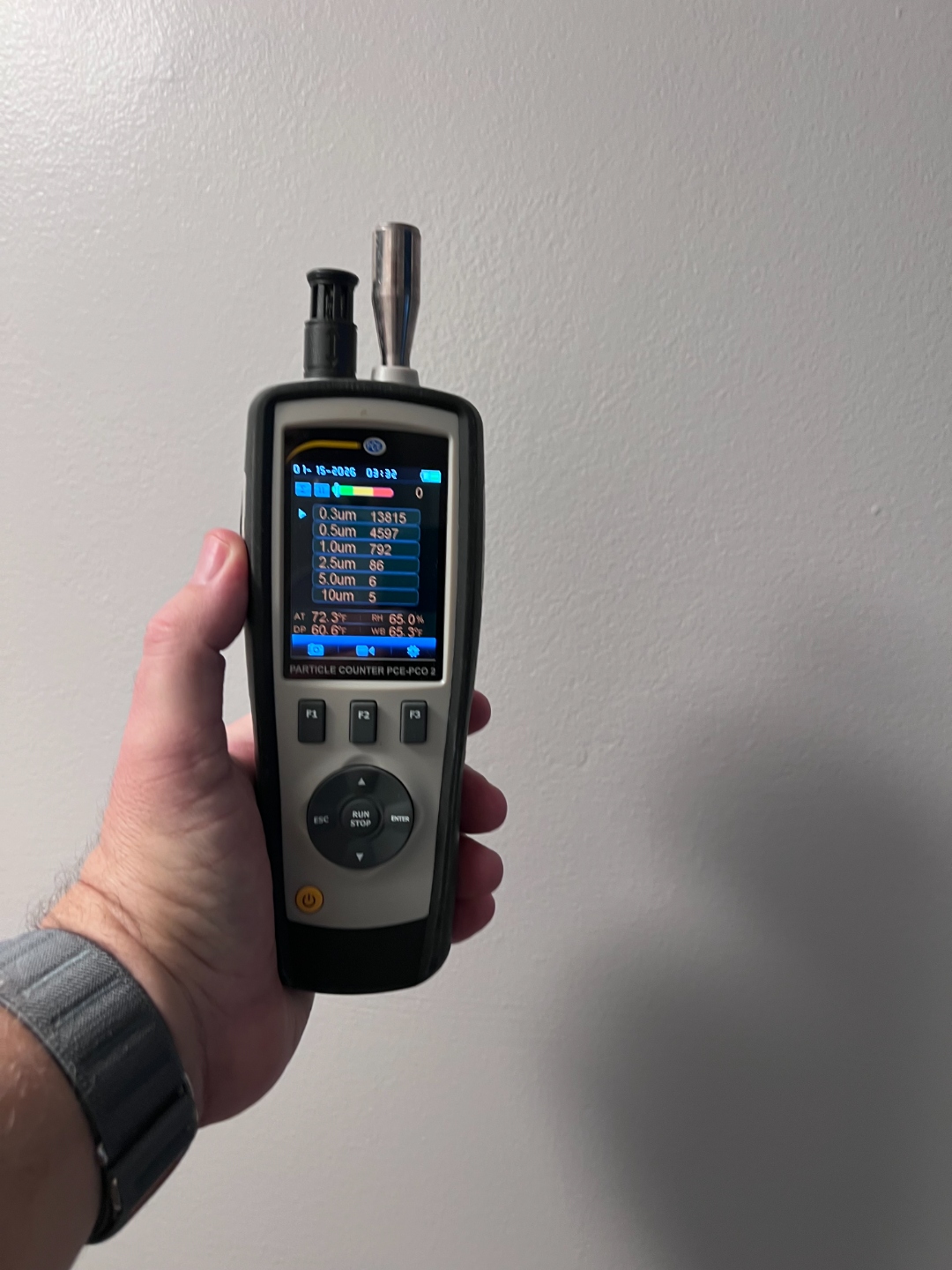
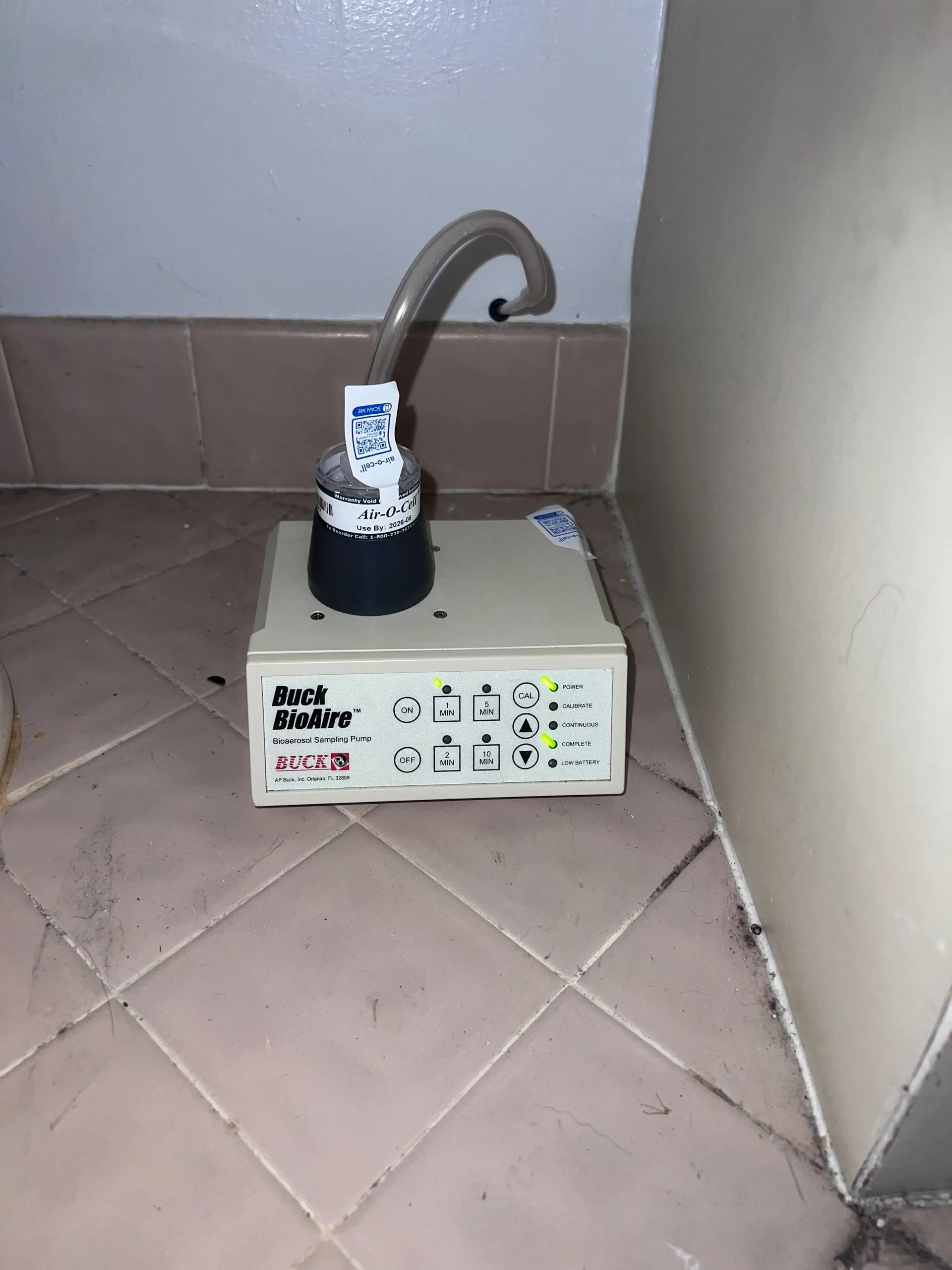

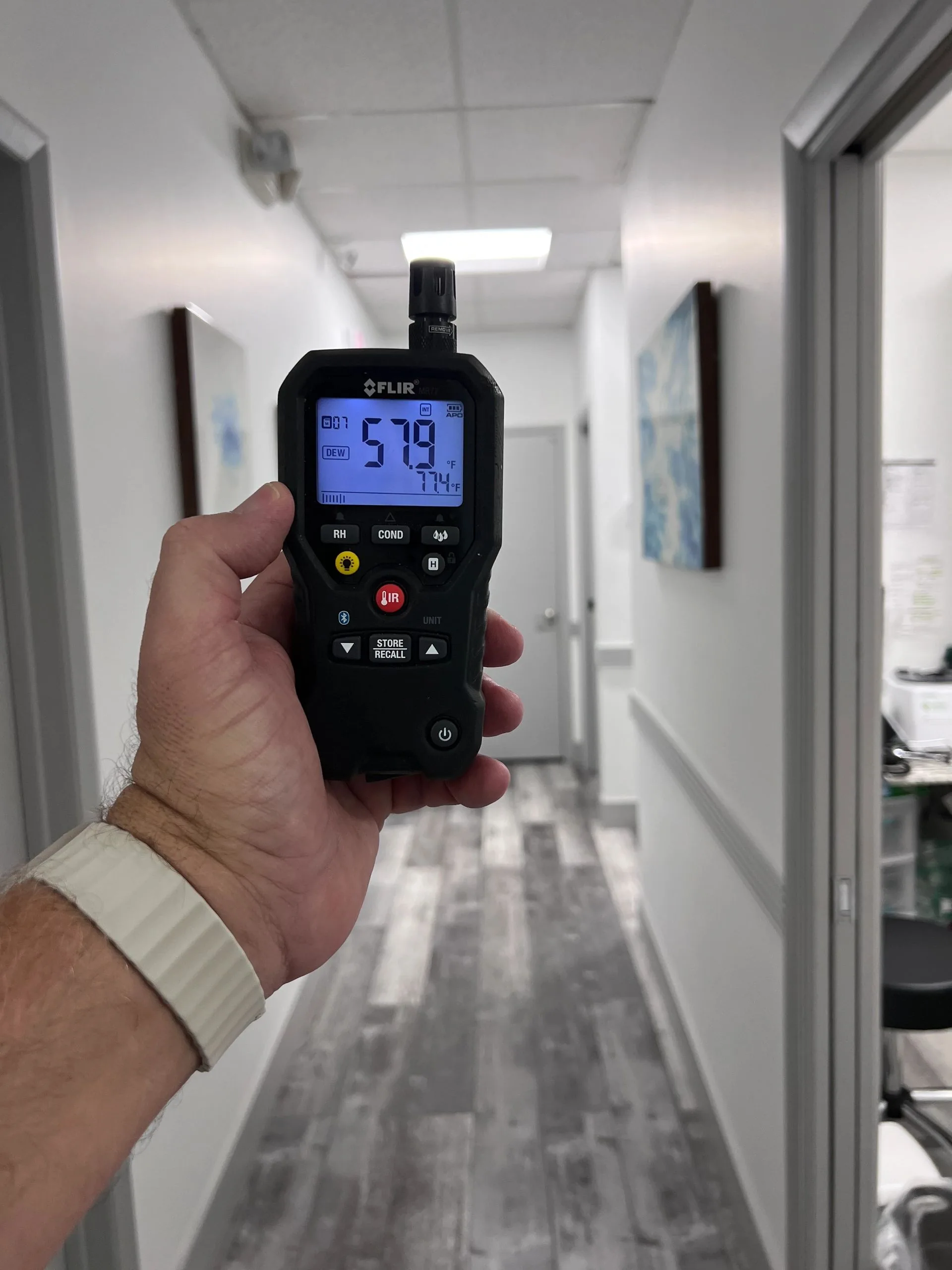
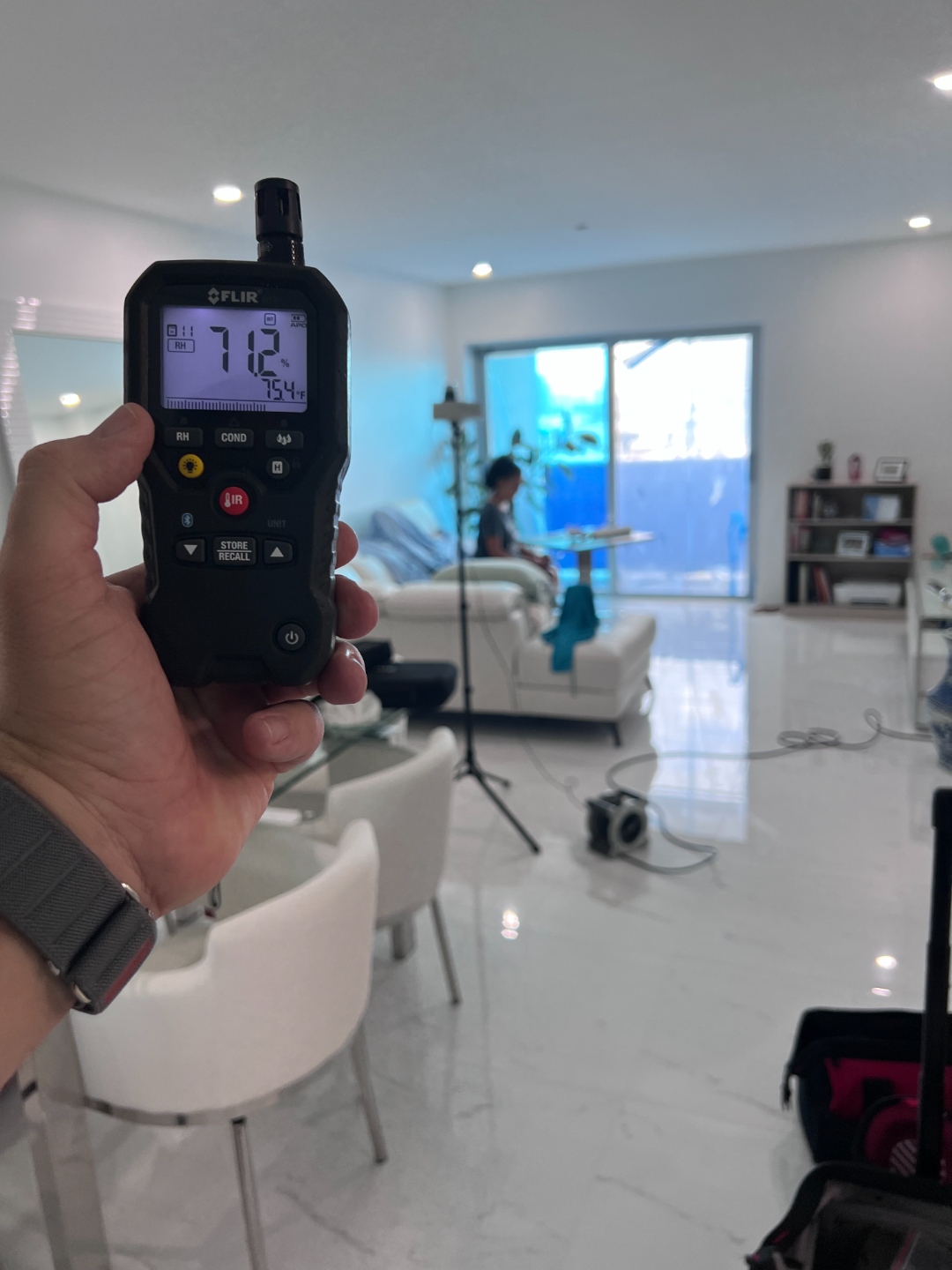


Poor indoor air quality is often tied to building pressure problems. When ductwork leaks and a home runs under negative pressure, it pulls in humid, sometimes contaminated air from attics or wall cavities, which can elevate indoor spore counts even without a visible mold problem. That is why air sampling results are most useful when paired with a pressure and duct evaluation.
Want to learn the complete building science behind this issue? Read our complete educational guide at Florida Mold Experts.
Answers to the most common questions about Home Enviro's Air Quality Testing services.
Air quality testing by Home Enviro measures airborne mold spore concentrations using calibrated air sampling equipment. Samples are analyzed by a certified laboratory and compared to outdoor baseline levels to determine whether indoor mold counts are elevated. Results identify the types and quantities of mold spores present in the air.
Most inspections include a minimum of 2 air samples (one indoor and one outdoor baseline) in the Bronze package. Additional samples are recommended for multi-story homes, larger properties, or when multiple areas of concern exist. Our licensed assessors will recommend the right number of samples based on your property and situation.
The sampling process during the inspection takes 5 to 10 minutes per sample location. Laboratory turnaround for results is typically 2 to 3 business days from the date samples are submitted. Rush processing is available in some cases.
Air sampling identifies mold spores that are actively airborne at the time of testing. It detects the most common genera including Cladosporium, Penicillium, Aspergillus, Stachybotrys (black mold), Alternaria, and others. Laboratory reports include a full species breakdown and spore count per cubic meter of air.
Coverage varies by policy and the cause of the mold. Mold resulting from a sudden covered event such as a burst pipe may be covered. Gradual moisture issues are generally excluded. Home Enviro provides detailed written reports that can be submitted to insurance companies in support of a claim.
Ready to get started? Request mold testing today.
Many homeowners insurance policies cover mold inspection and testing when related to a covered water loss, storm damage, or plumbing event. We provide full documentation including our assessment report and laboratory analysis to support your insurance claim.
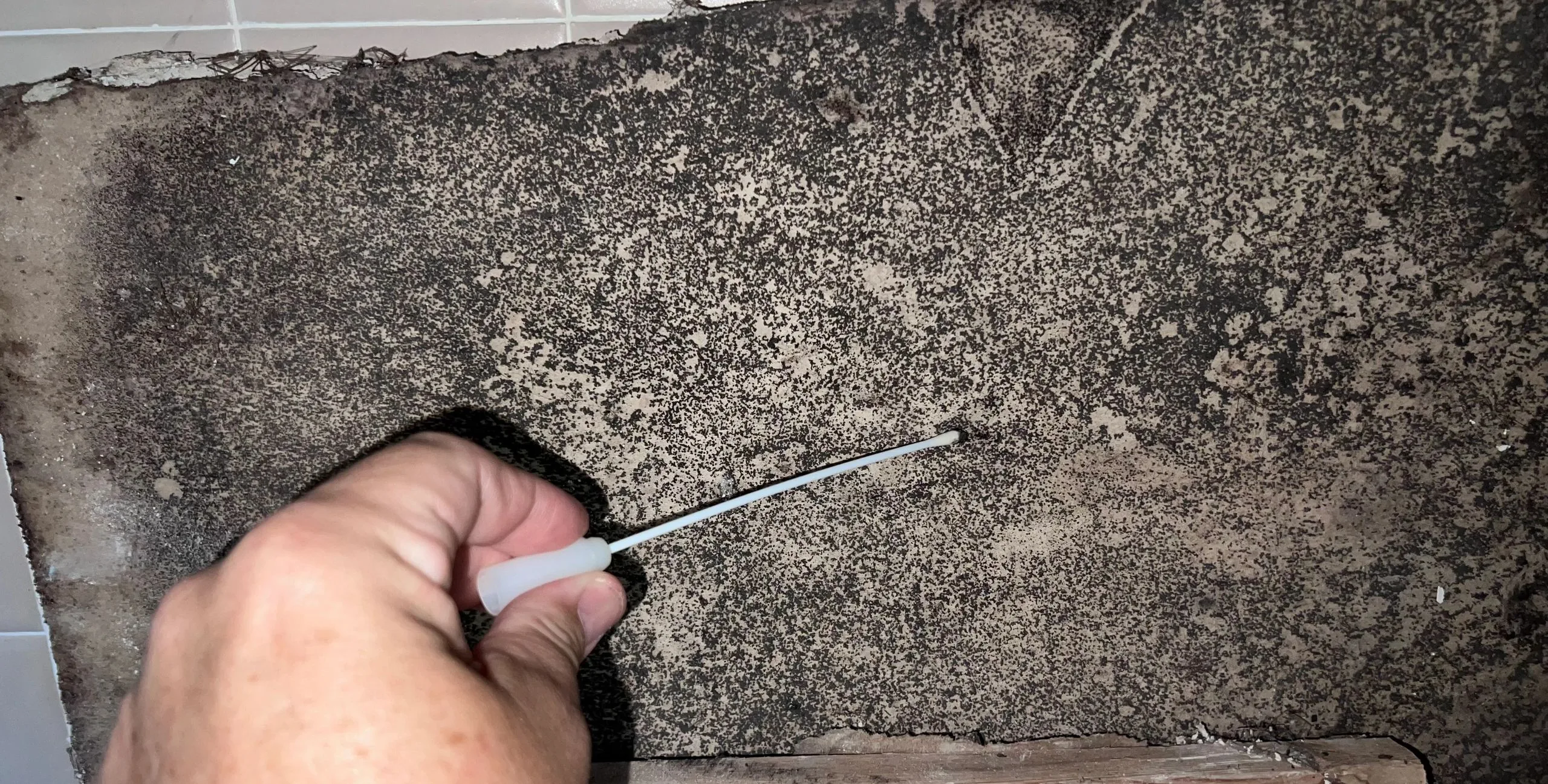
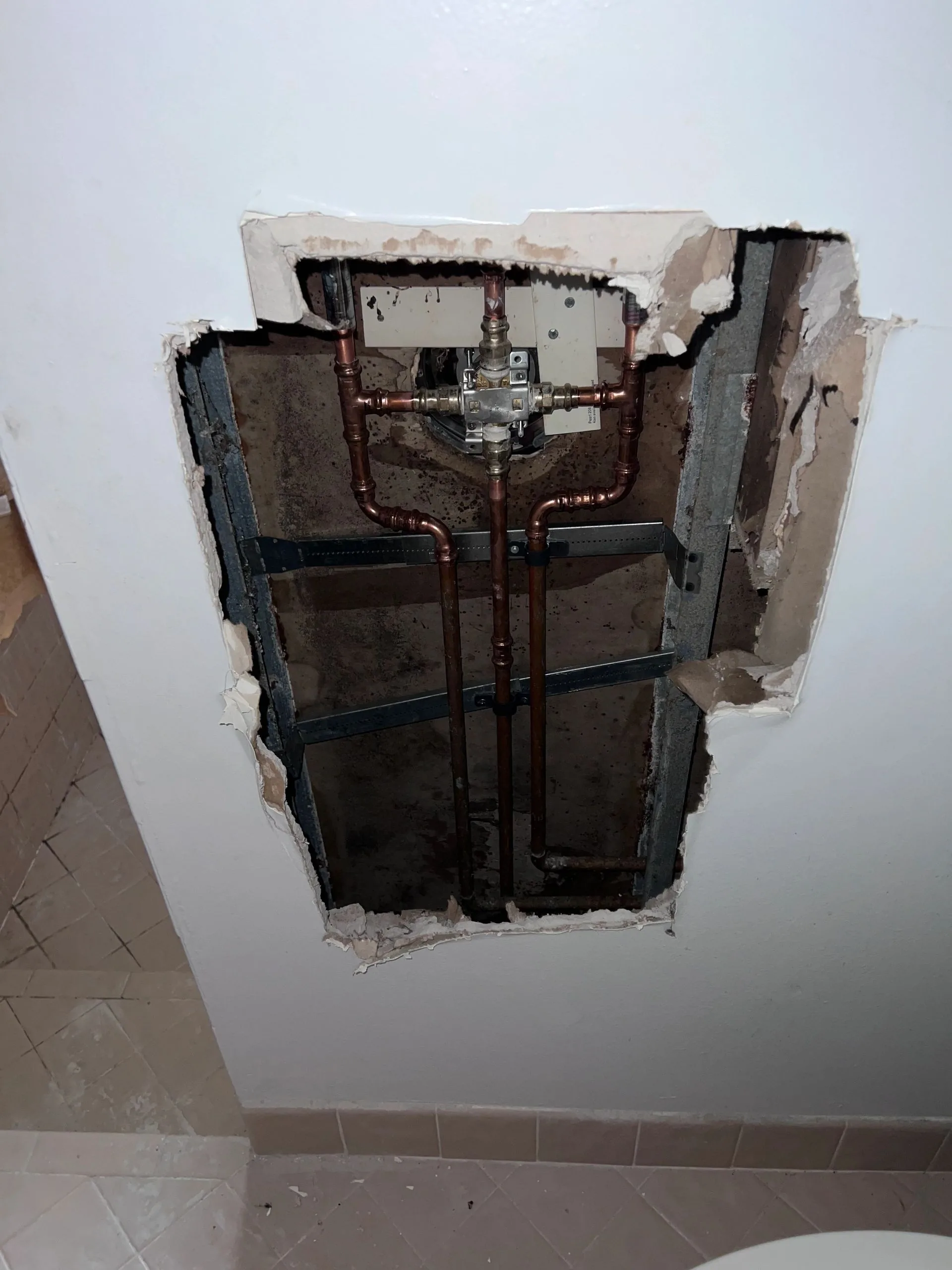
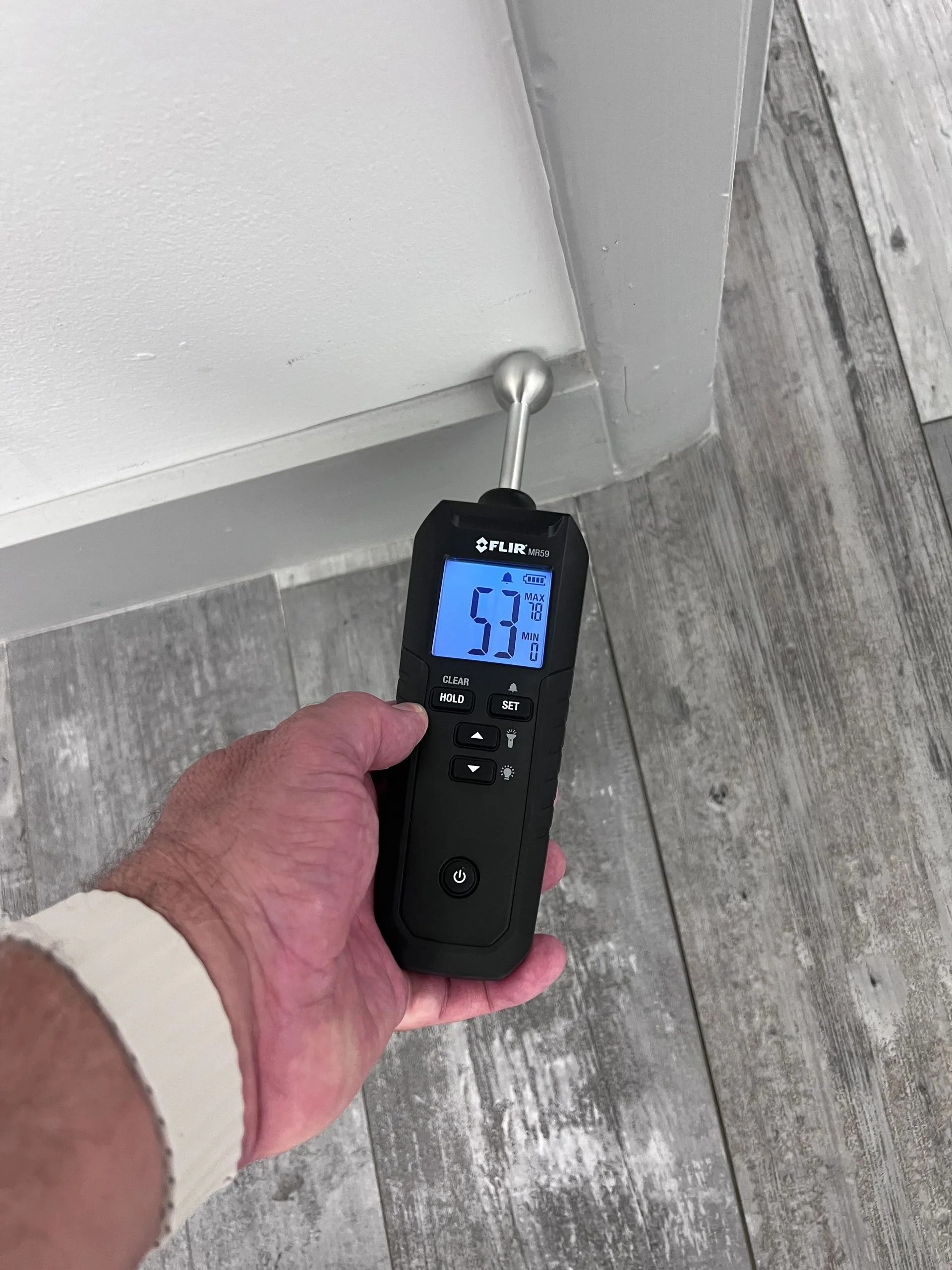
Real inspection and testing work performed by Home Enviro's licensed mold assessors throughout South Florida. License MRSA675.
Planning a home purchase or want to learn more before your inspection? Explore these free guides.
Indoor air quality testing is frequently requested in Coral Springs due to the city's high concentration of HVAC systems with oversized capacity, common in larger homes along Wiles Road and Sample Road corridors. Our licensed assessors collect air samples throughout the home, analyze them at an accredited laboratory, and provide actionable results. Same-day scheduling available.
Licensed mold inspectors serving Broward, Palm Beach, and Miami-Dade counties.
Use the chat assistant in the bottom right corner of this page. Available 24 hours a day, 7 days a week.
Ask about mold inspections, pricing, service areas, or what to do if you suspect mold. Get an answer in seconds any time of day.
Haga cualquier pregunta en español o inglés.
Look for the chat icon ▼ in the bottom right corner of this page.
Busque el ícono de chat en la esquina inferior derecha.