

Musty AC Odor
Any persistent musty, earthy, or "dirty sock" odor that correlates with the AC running is a strong indicator of biological growth inside the system. This smell does not resolve with filter changes, it requires inspection and testing.
South Florida AC systems run year-round in extreme humidity, making evaporator coils, drain pans, return boxes, and ductwork the most common hidden sources of mold contamination in the region. Home Enviro inspects HVAC components and ducts with a digital borescope and accredited air sampling to confirm exactly what is in your system.
South Florida is one of the most challenging climates in North America for indoor air quality. With average outdoor relative humidity of 75 to 80% and year-round air conditioning use, your HVAC system operates as a continuous humidity-management machine, and every component that comes into contact with that moist air is a potential mold habitat.
The physics are straightforward: when warm, humid outdoor air contacts the cold evaporator coil (typically 40 to 50°F during operation), condensation forms on the coil surface. This condensate is supposed to drain away through the drain pan and drain line. But the drain pan itself sits in a permanently damp environment, collecting dust and organic debris, perfect conditions for biofilm and mold growth.
When the system cycles off, the coil warms up and that moisture vaporizes into the duct system. Spores established in the drain pan, on the coil, or inside the plenum are then carried through every supply duct in your home. Unlike wall mold, which is localized, HVAC mold is a whole-house distribution problem.
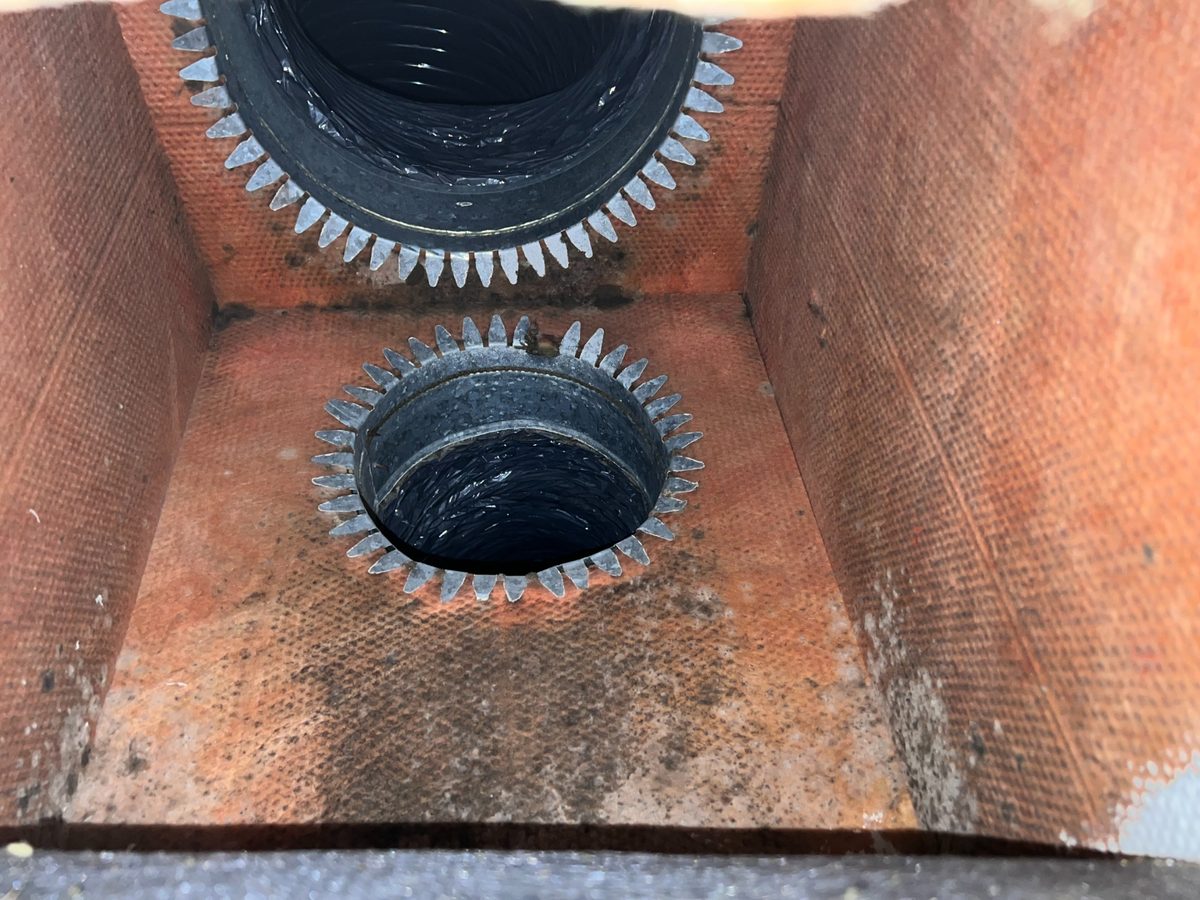
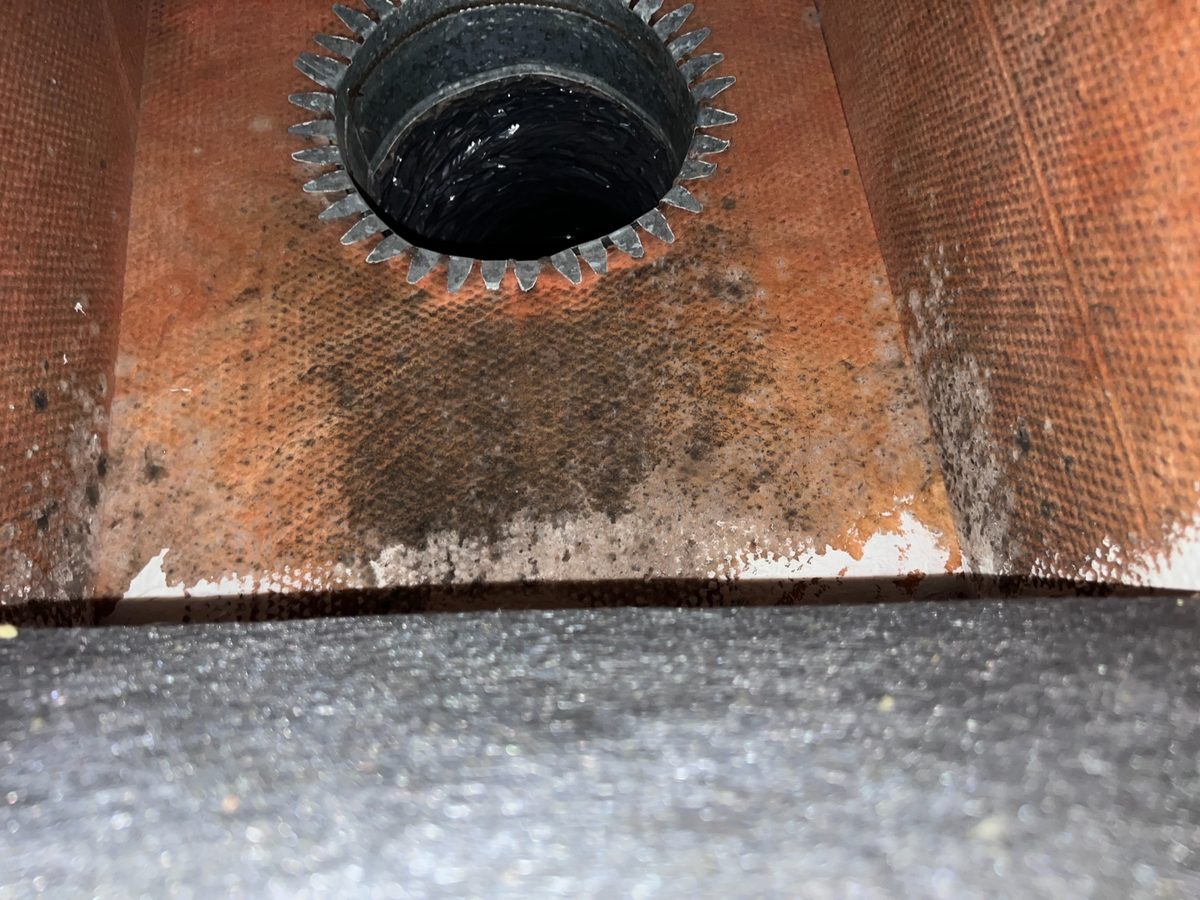
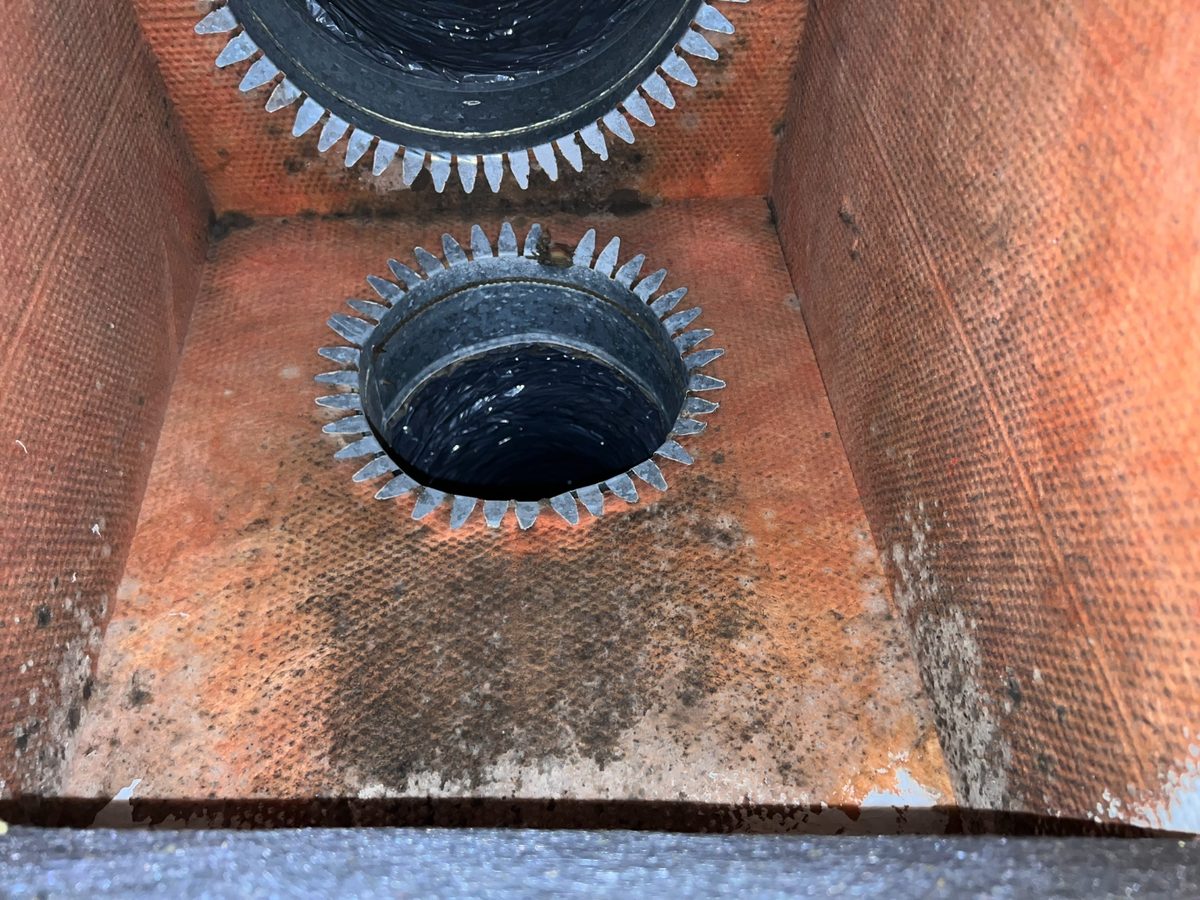
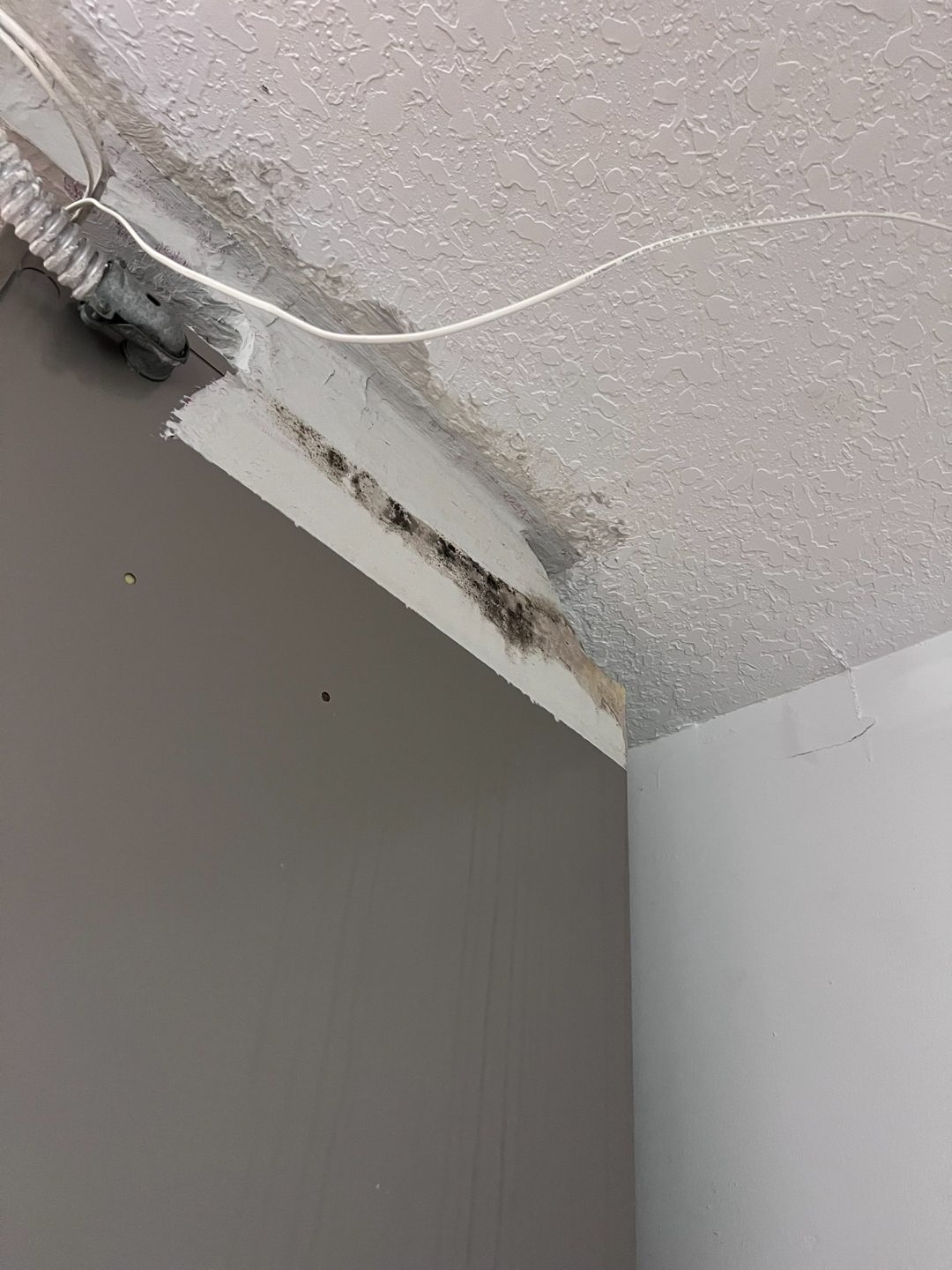
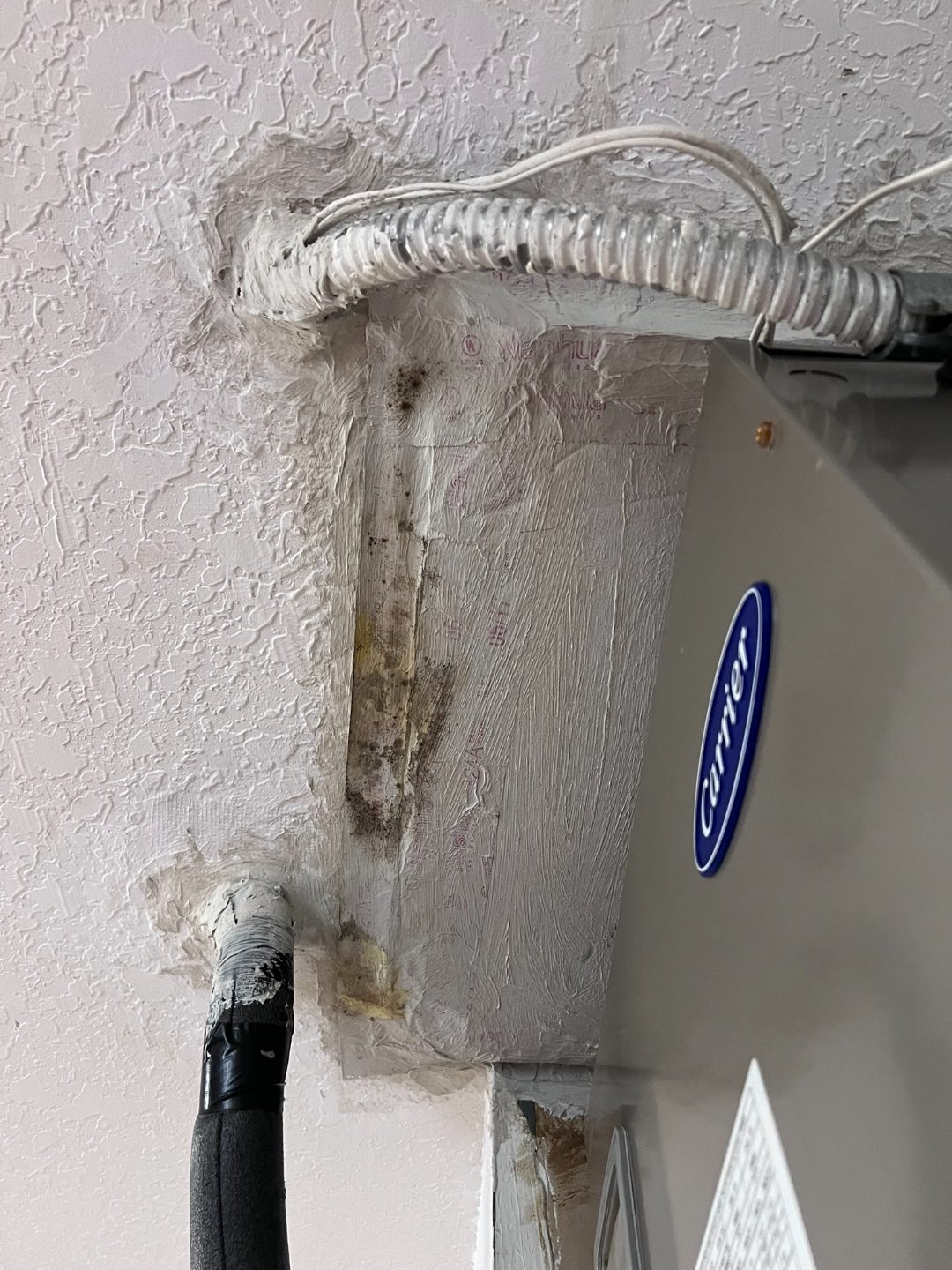
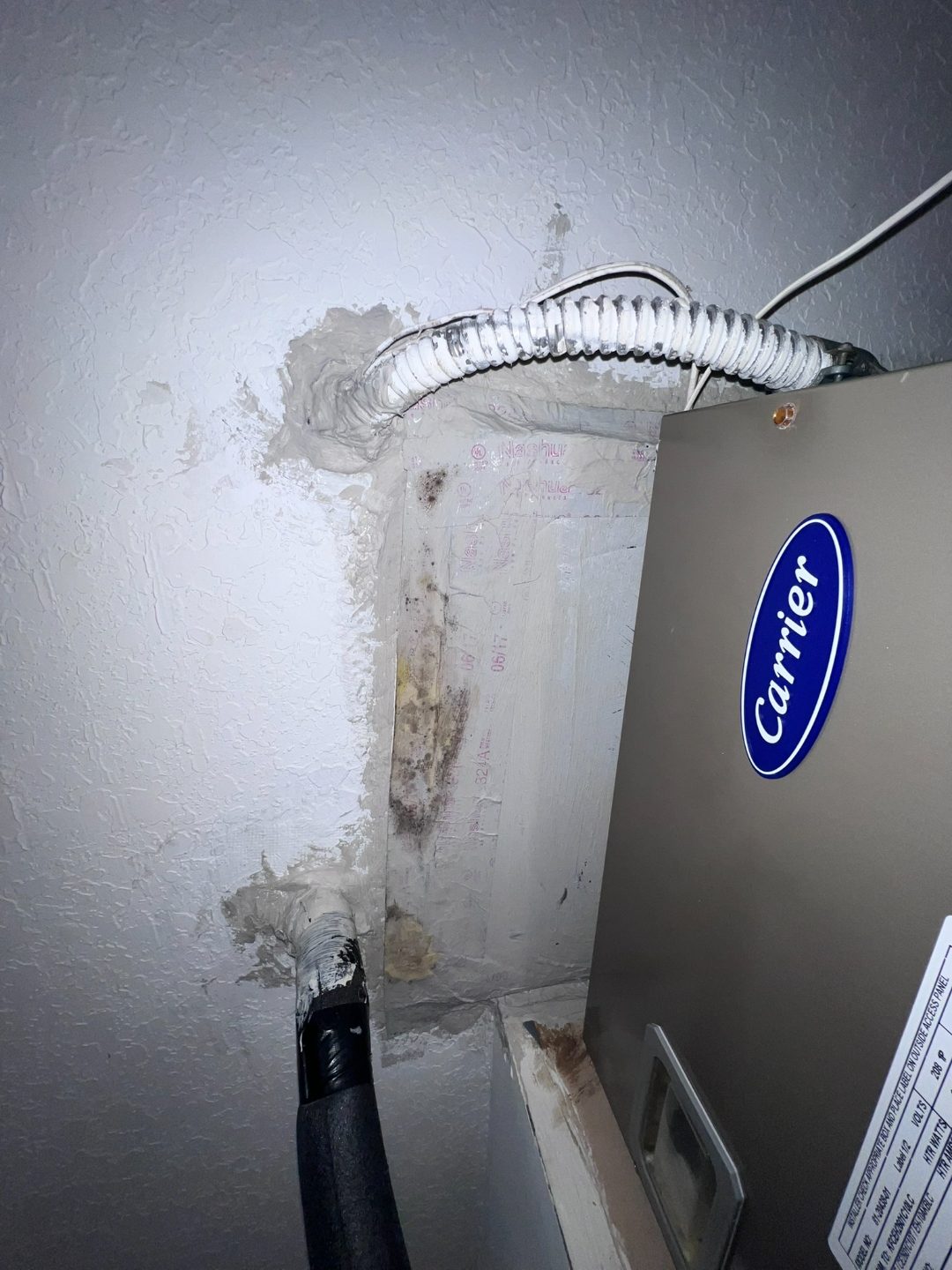
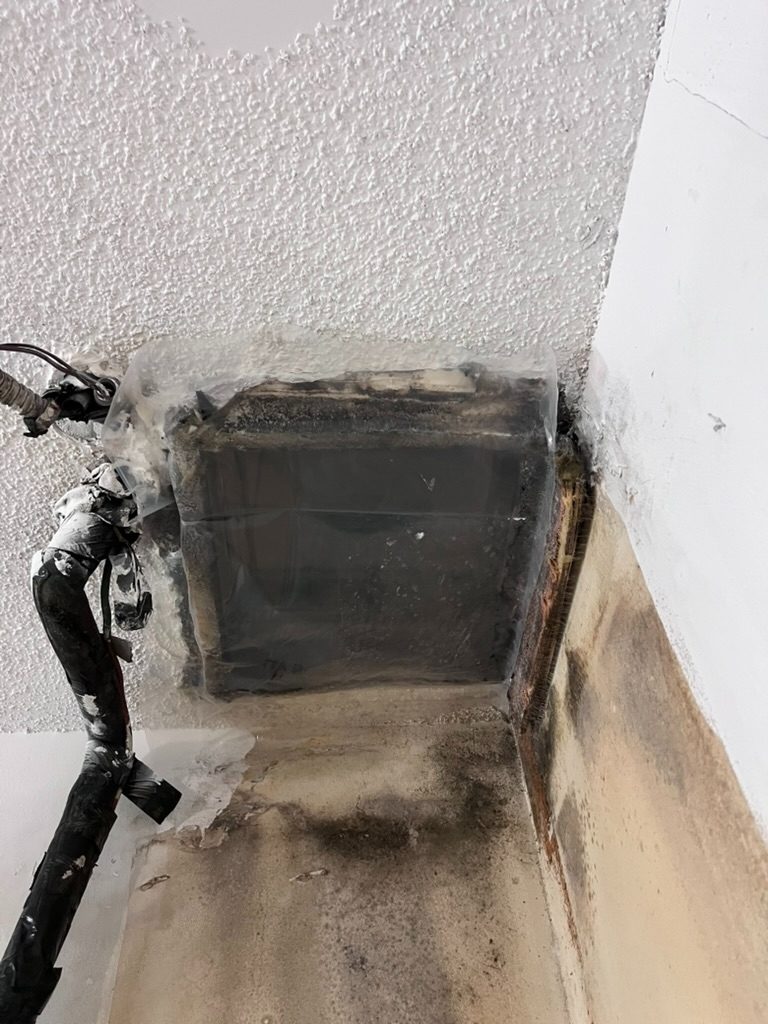
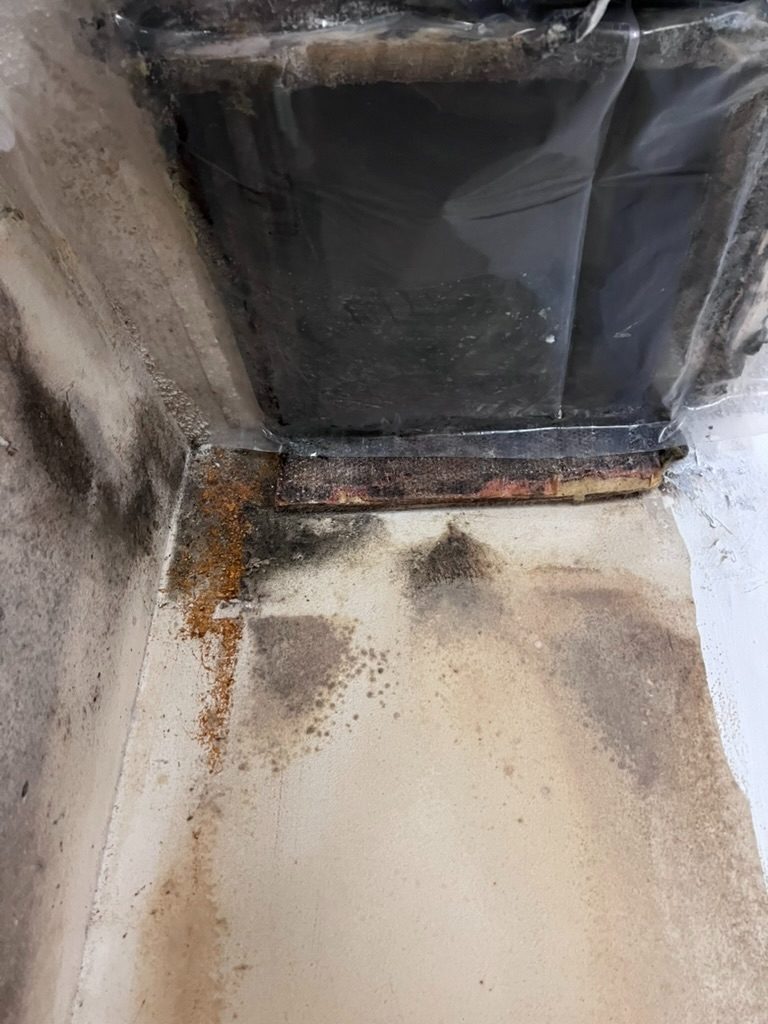
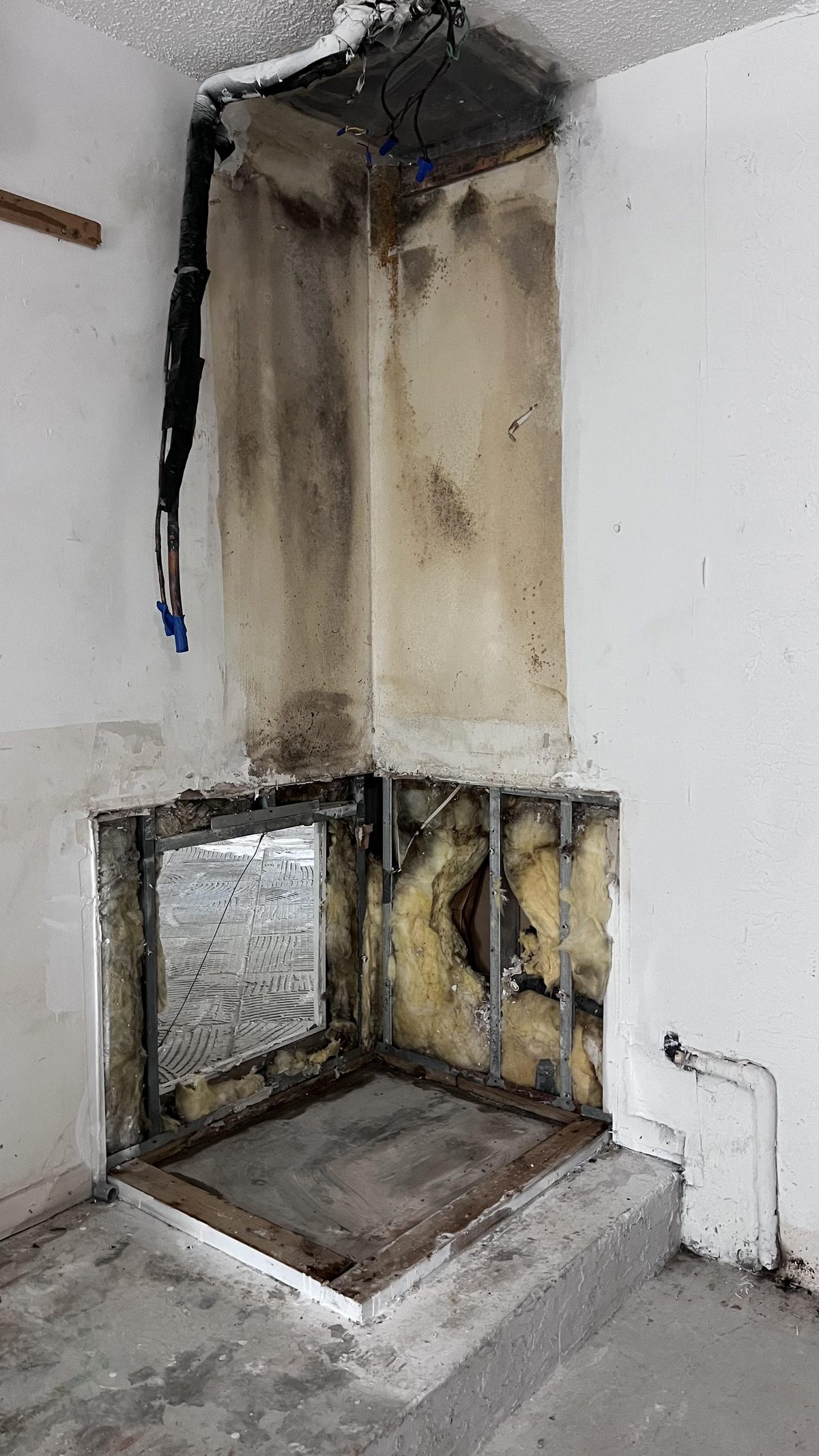
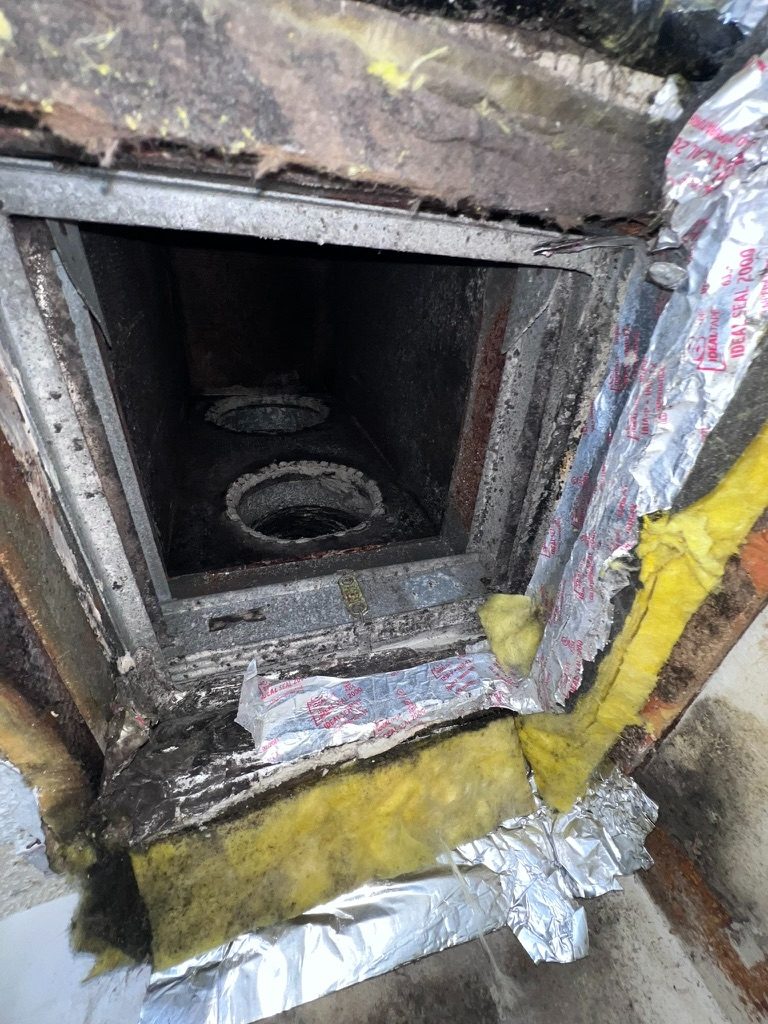
Real examples of mold growth and contamination found in AC systems, air handlers, and ductwork during Home Enviro inspections across South Florida.
Your AC system gives clear signals when mold has taken hold. Do not ignore these indicators, they typically worsen as mold colonies mature and spread further into the duct system.
The musty odor that appears when the AC first turns on and then fades is one of the most reliable indicators of active mold colonization inside the system. Many homeowners assume the smell is normal or that it will resolve, it will not. Call (954) 994-8847 for a same-day HVAC mold inspection.
Many homeowners do not realize that negative building pressure, duct leakage, and unbalanced exhaust fans can pull humid air directly into wall cavities and attic spaces, creating hidden mold conditions that cannot be seen during a routine walkthrough. A calibrated fan and manometer test can quantify exactly how much air your duct system is losing and how it is affecting the pressure balance of your home.
Want to learn the complete building science behind this issue? Read our complete educational guide at Florida Mold Experts.
See how mold develops and spreads through air conditioning systems, and how a professional HVAC mold inspection uncovers it.
Home Enviro's HVAC mold inspection goes beyond what an HVAC technician sees during a maintenance visit. We use instruments specifically designed to detect biological contamination.
The air handler cabinet is opened and all accessible components are visually inspected: evaporator coil fins and housing, drain pan, secondary drain pan, condensate drain line connection point, blower wheel, and all interior surfaces of the air handler cabinet.
A flexible digital borescope camera is inserted through supply and return registers to inspect duct interiors. The camera transmits real-time video that documents the interior condition of duct walls, including dust accumulation, insulation deterioration, visible mold growth, and dark staining that indicates biofilm development.
Spore trap cassettes are placed directly at supply registers while the system is running, capturing air as it exits the ductwork. Return register sampling captures what the system is drawing in. These samples are compared against each other and an outdoor control to determine if the HVAC system is a net contributor of mold spores to indoor air.
The supply plenum (the transition box between the air handler and main duct runs) and return box are inspected for signs of contamination. These areas collect dust-laden air and are frequently the site of mold colonization in South Florida air handlers due to their proximity to the coil and condensation zone.
Professional moisture meters assess the walls, ceiling, and flooring around the air handler and in mechanical closets. Room-by-room relative humidity readings document whether the system is adequately dehumidifying the space or allowing chronic elevated humidity that promotes mold growth beyond the HVAC system itself.
All findings are compiled into a written assessment report signed by your licensed assessor (MRSA675). The report includes borescope photo documentation, air sample lab results from the accredited third-party laboratory, moisture readings, assessor's interpretation, and specific recommendations. Delivered the next business day.
The air conditioning system in your home moves roughly 1,000 to 1,500 cubic feet of air per minute. When mold colonizes any component of that system, the coil, drain pan, plenum, or duct lining, every operating cycle disperses spores throughout every room connected to that duct network.
This is fundamentally different from localized mold on a bathroom wall. A 12-inch circular patch of Stachybotrys on drywall releases spores only when disturbed. A mold colony on your evaporator coil releases spores into moving air that reaches your bedroom, your children's rooms, and your living spaces simultaneously, often at higher concentrations than you would encounter from visible wall mold.
Common HVAC-distributed mold species in South Florida include Cladosporium (thrives in ductwork), Aspergillus and Penicillium (colonize coil dust and insulation), and occasionally Chaetomium in severely water-damaged handlers. Each species has different health implications, and only accredited lab analysis can identify what is actually present in your system.
See also our mold testing page for full details on how spore trap sampling and lab analysis work. For a complete property evaluation beyond the HVAC system, see our full mold inspection service.
These situations all point to a potential HVAC mold contamination problem that warrants a professional assessment.
Any persistent musty, earthy, or "dirty sock" odor that correlates with the AC running is a strong indicator of biological growth inside the system. This smell does not resolve with filter changes, it requires inspection and testing.
If your AC drain line clogged, the drain pan overflowed, or the air handler leaked water into the ceiling or floor, mold colonization of the damp areas can begin within 48 hours. Testing after any AC water event is strongly recommended.
The HVAC system is one of the most common sources of hidden mold problems discovered after a home purchase in South Florida. Including an HVAC-specific assessment as part of your pre-purchase inspection protects you before closing.
When family members have ongoing respiratory issues, headaches, or fatigue that cannot be explained by other causes, especially if symptoms are worse at home than elsewhere, HVAC mold testing often reveals the source.
Power outages during South Florida's humid summers allow AC systems to warm up significantly. Condensation forming on cold components when power returns, combined with debris intrusion during storms, can trigger rapid mold growth inside HVAC systems.
Aging HVAC systems accumulate years of dust, biofilm, and micro-tears in duct insulation that create expanded mold habitats. An aging system in South Florida that has never had a biological inspection is statistically likely to harbor some level of mold contamination.
Florida License MRSA675 · Same-Day Appointments · Accredited Lab · No Conflict of Interest
All assessments include air handler inspection, borescope duct evaluation, and a written assessor report. Laboratory analysis is available as an add-on. Properties up to 5,000 sq ft. Additional air samples $125 each.
Designed to evaluate one specific area of concern within the property. Available at any property size.
A licensed mold assessment of the whole home or selected areas. Laboratory testing is not included and can be added at any time.
A licensed mold assessment for larger homes. Laboratory testing is not included and can be added at any time.
Need more air or surface samples beyond your assessment? Each additional sample is available at:
Pricing valid for homes up to 5,000 sq ft. Larger properties require custom quoting.
Post-remediation verification (PRV) testing starts at $375 and includes the independent clearance testing required after HVAC mold remediation under Florida Statute 468.8411. Under this law, the firm that performs remediation cannot conduct the clearance test; that is our job. Call (954) 994-8847 or book online.
An HVAC mold problem rarely exists in isolation. Home Enviro evaluates the entire property to identify all sources of mold and moisture.
A complete assessment of every area of your property, not just the HVAC system. Includes thermal imaging, moisture mapping, all accessible spaces, and a full written report. The HVAC inspection is included in all full inspection packages. See the full mold inspection service →
The lab analysis component that turns air samples into species identification and spore counts. Understand exactly what species are in your HVAC system and what those concentrations mean for your health and your property. Learn about mold testing →
South Florida averages 75 to 80% relative humidity year-round. When warm, humid outdoor air contacts the cold surfaces inside an air conditioning system, the evaporator coil, drain pan, and supply ducts, condensation forms continuously. This persistent moisture, combined with dust and organic debris accumulating inside ductwork, creates ideal conditions for mold colonization. Once established, every time your AC runs it distributes spores throughout every room in your home.
The most common signs are a musty or earthy odor that appears when the AC turns on and dissipates shortly after, visible dark discoloration around supply vents or return grilles, allergy or respiratory symptoms that worsen indoors but improve outdoors or in other buildings, and humidity levels that remain high even when the AC is running. Any of these indicators warrants a professional HVAC mold inspection.
Home Enviro's HVAC mold inspection includes a visual inspection of all accessible air handler components (evaporator coil, drain pan, plenum, and return box), a digital borescope camera inspection of duct interiors that are not otherwise accessible, air sampling at supply and return registers with an outdoor control comparison, moisture readings throughout the system, and documentation of all findings in a written report accepted by insurance carriers.
Yes. When mold colonizes HVAC components, every AC cycle distributes spores directly into your breathing air. Depending on the species and concentration, this can cause chronic coughing, nasal congestion, eye irritation, headaches, fatigue, and worsening asthma. Some species found in HVAC systems, such as Aspergillus, Cladosporium, and occasionally Stachybotrys, can produce mycotoxins with more serious long-term health effects.
Mold on a wall or ceiling is localized, it affects the area around the visible growth. HVAC mold is a systemic problem. The air conditioning system is the distribution network of your home: mold inside it means spores are being actively blown into every room every time the system runs. A single contaminated evaporator coil or return plenum can elevate spore counts throughout an entire home even when no visible mold growth exists anywhere else.
Yes. Standard HVAC maintenance (coil cleaning, filter replacement, drain line flushing) does not include mold testing or borescope evaluation of duct interiors. An HVAC technician is looking for system performance, not biological contamination. Home Enviro's HVAC mold inspection specifically targets the components and locations most prone to mold colonization with instruments and laboratory analysis that HVAC technicians do not use.
Home Enviro provides HVAC and air duct mold inspections throughout Broward, Palm Beach, and Miami-Dade Counties. Select your city below for local information.
Same-day appointments available throughout Broward, Palm Beach, and Miami-Dade. Next-business-day lab results. Licensed, independent, Home Enviro inspects only, never remediates.