Every Home Enviro inspection is backed by calibrated, professional-grade instruments. We do not guess. We measure, document, and verify with the same tools used in forensic building science. Here is exactly what we use, when we use it, and why it matters for your property.
Mold needs moisture, and moisture usually hides behind walls, under floors, inside ceilings, and within HVAC systems. The right instruments let us locate the source of a problem, not just the visible symptom. Below is the professional equipment we bring to every mold inspection and air quality test across South Florida.
In the Field
Our Equipment in Action
Real photos from Home Enviro inspections across South Florida. These are the instruments below, used on actual properties to locate moisture, document conditions, and collect accredited lab samples.
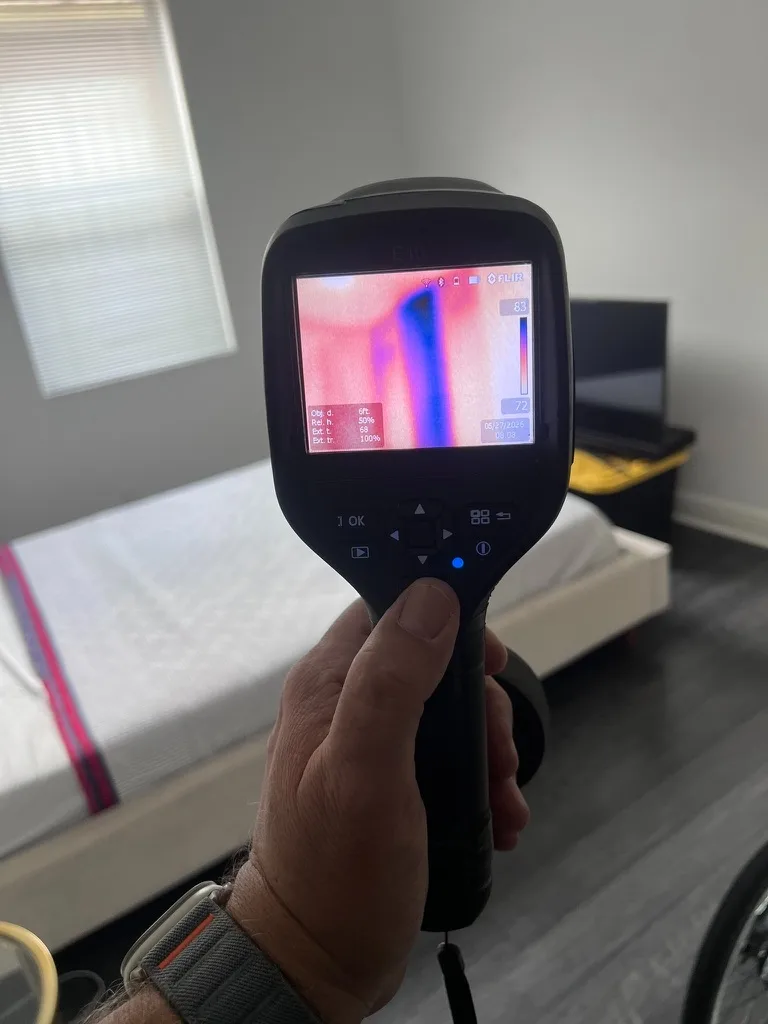
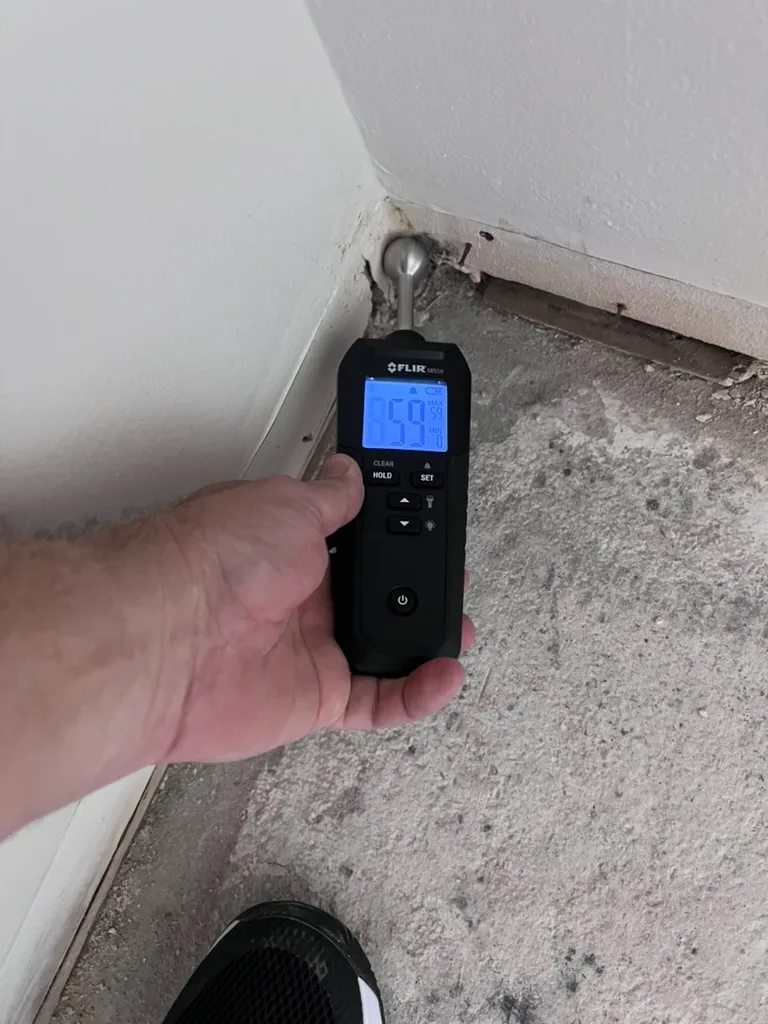
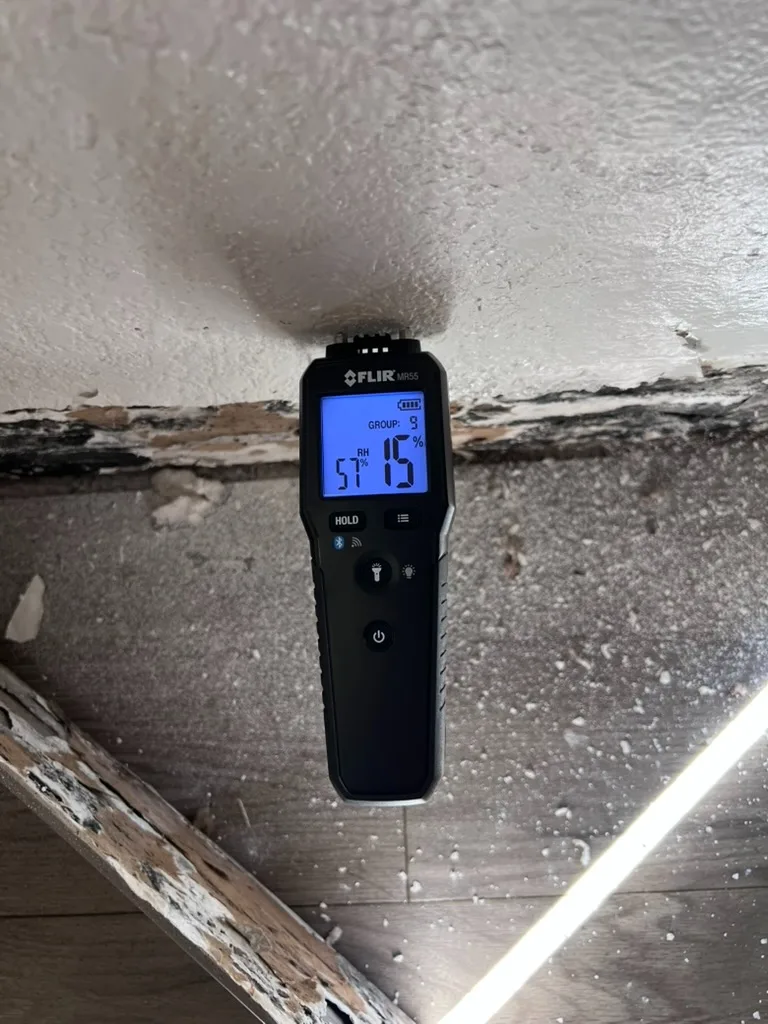
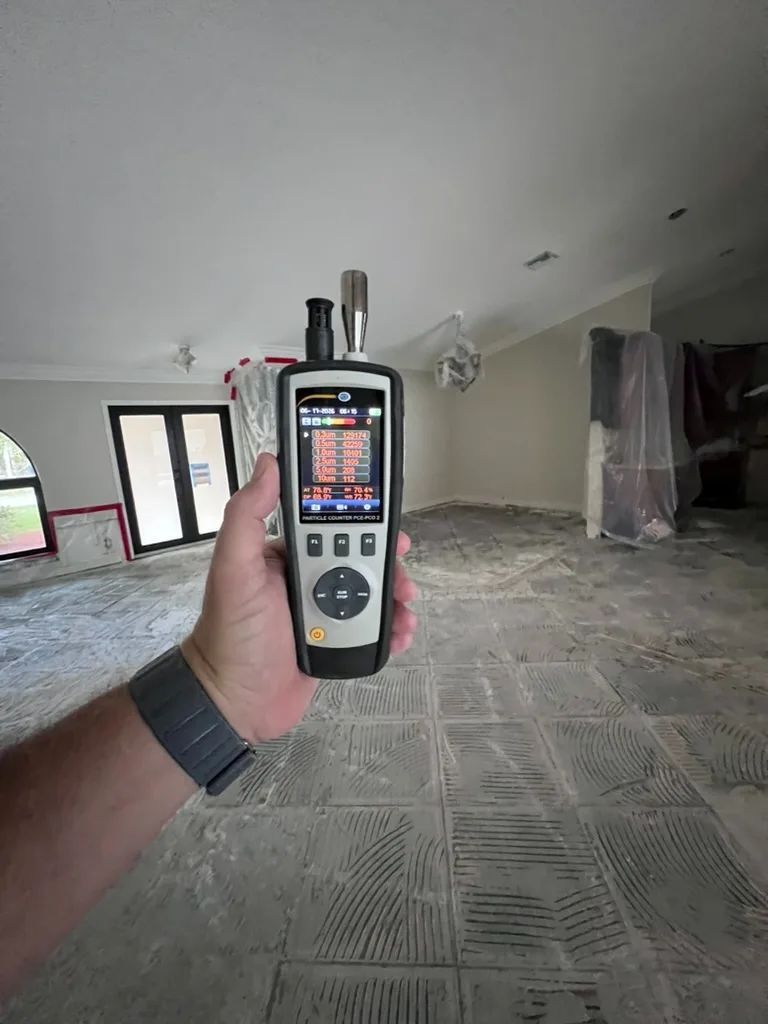
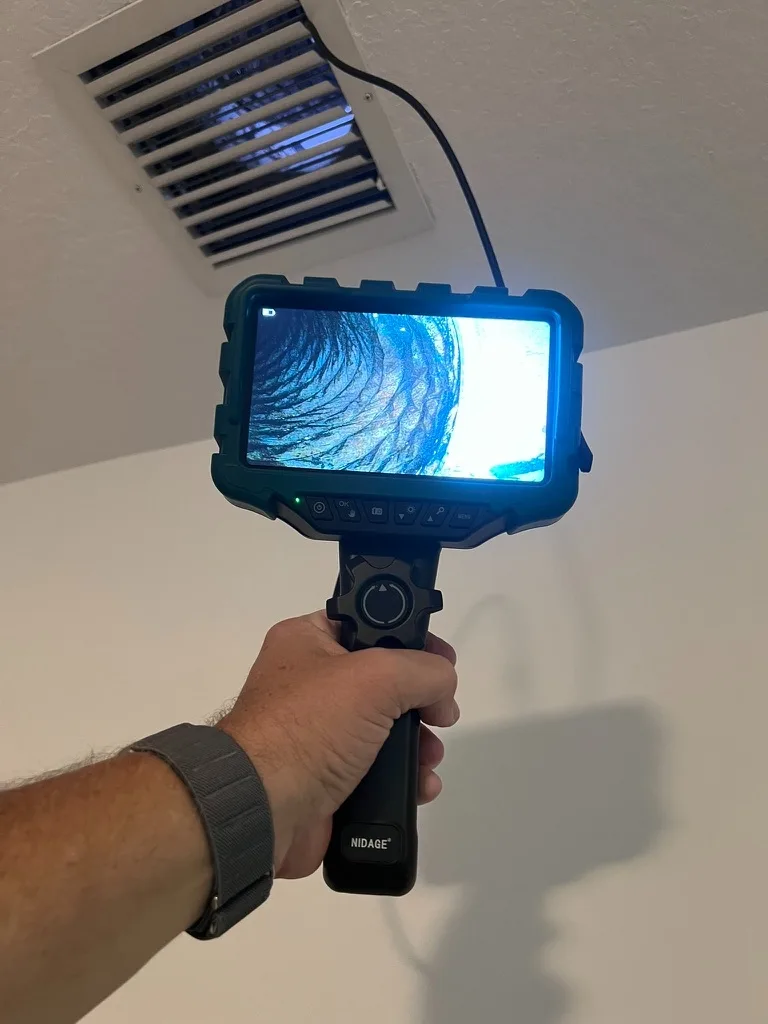
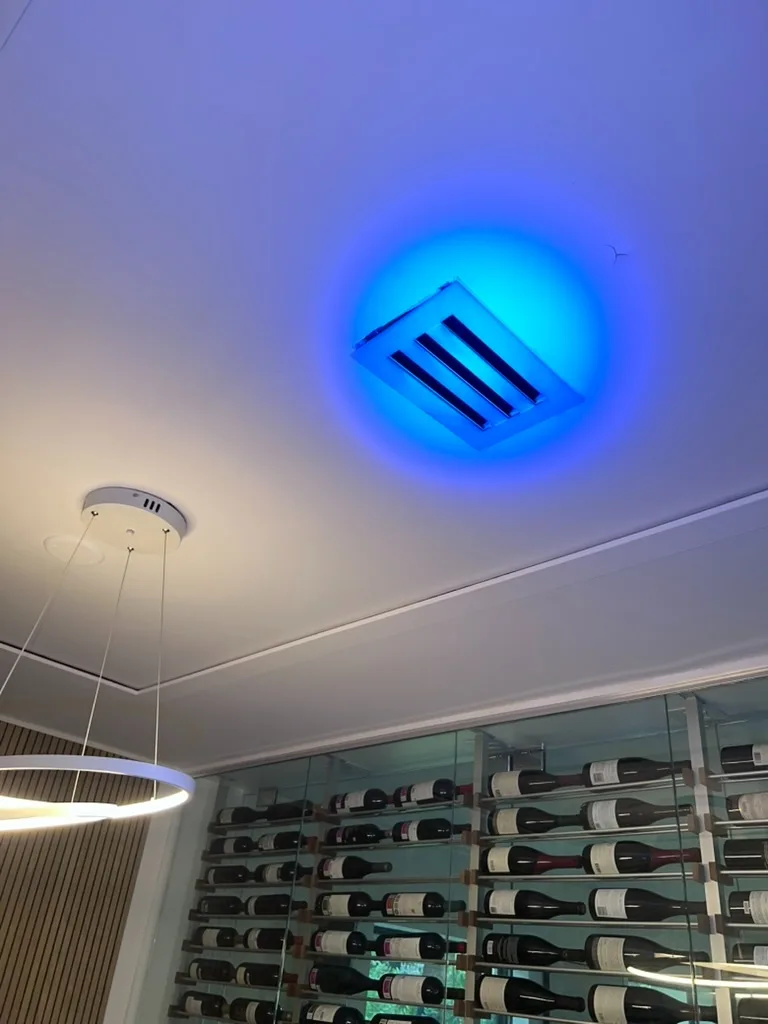
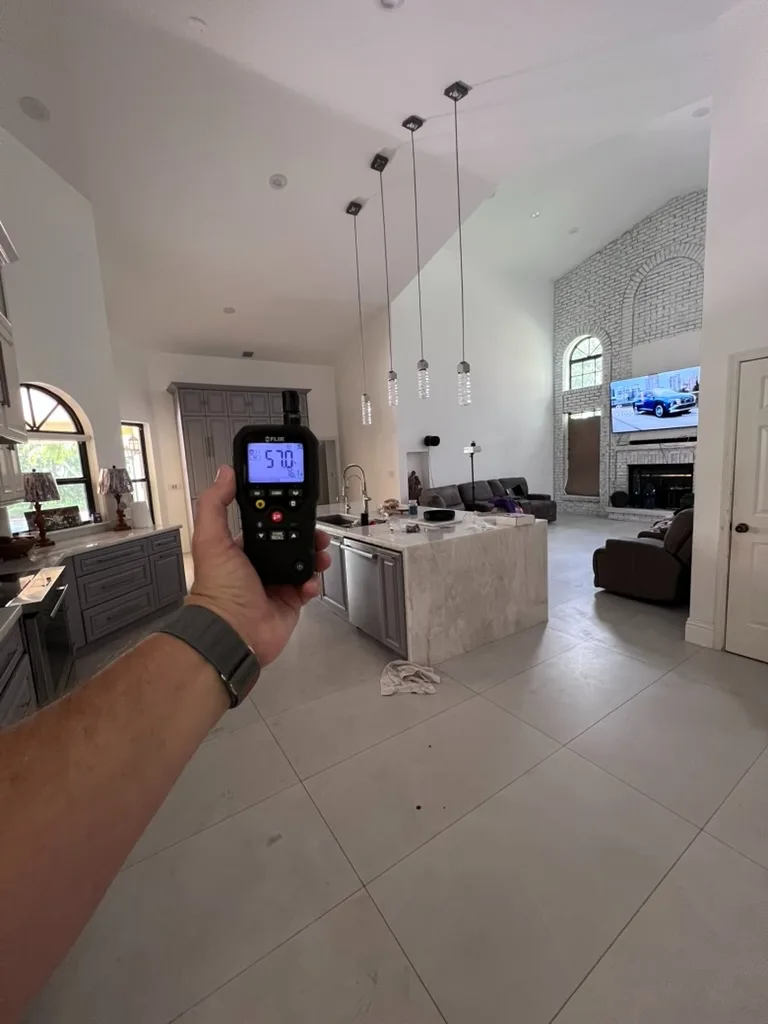
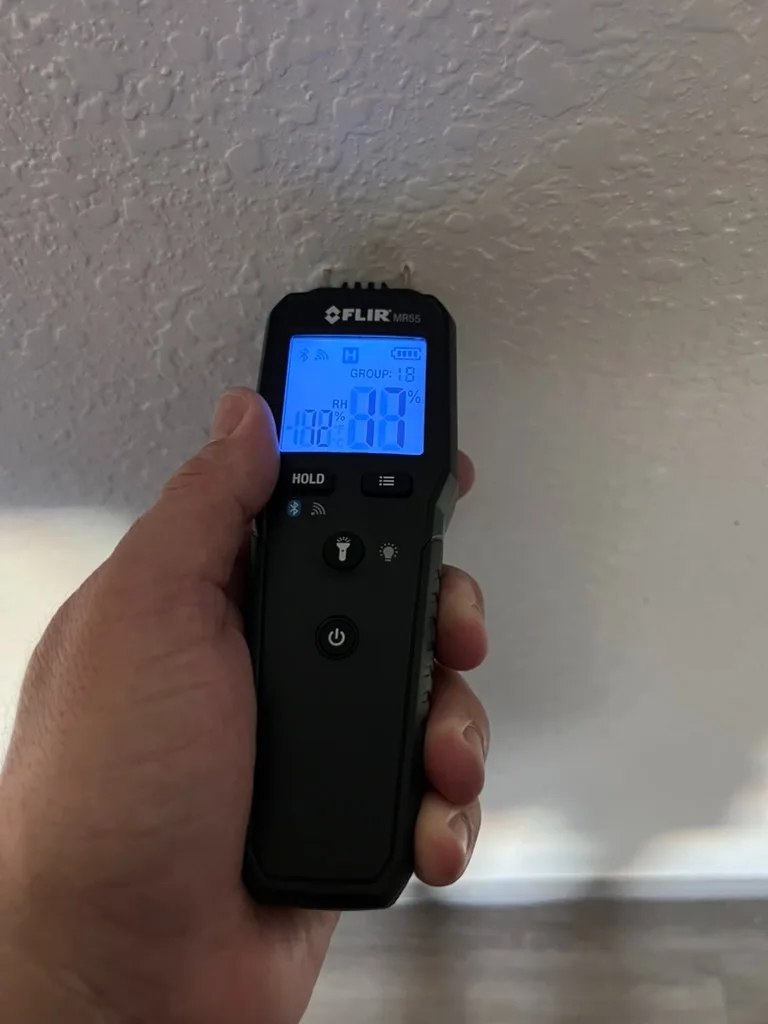
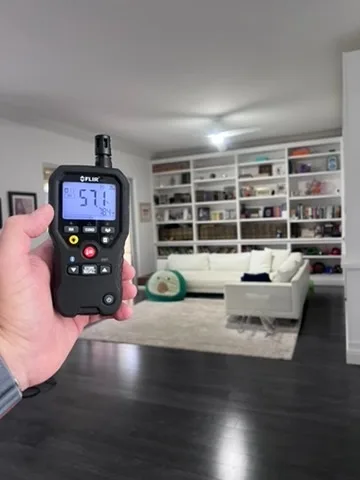
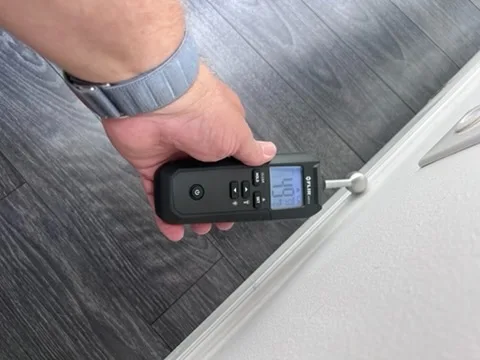
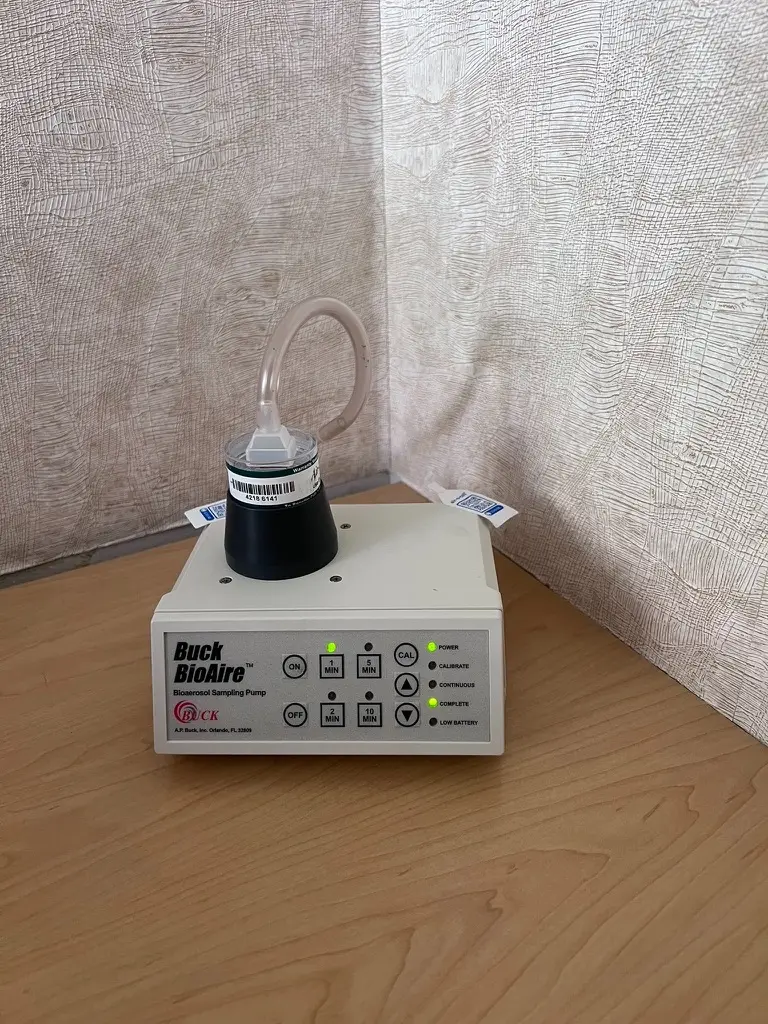
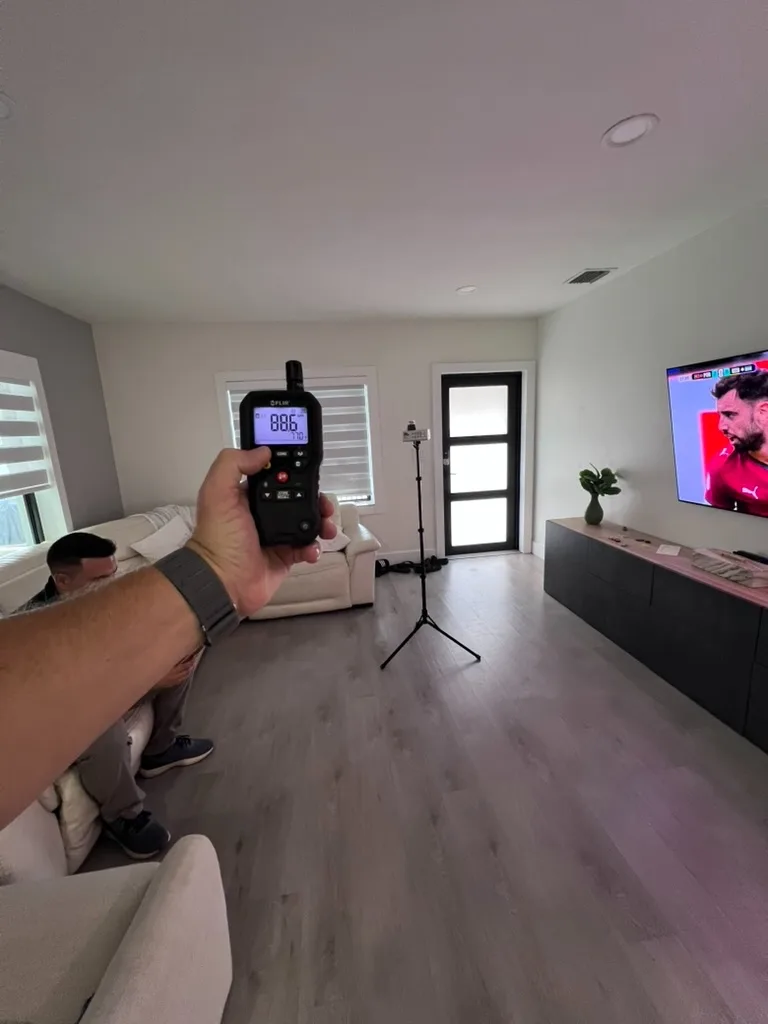
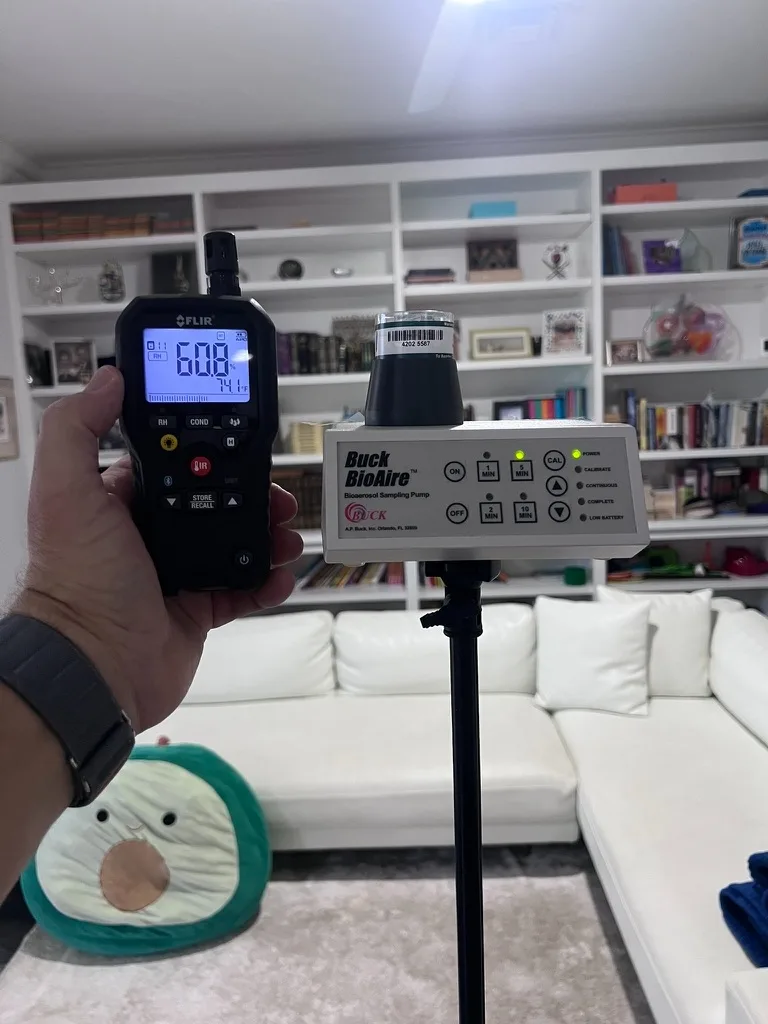
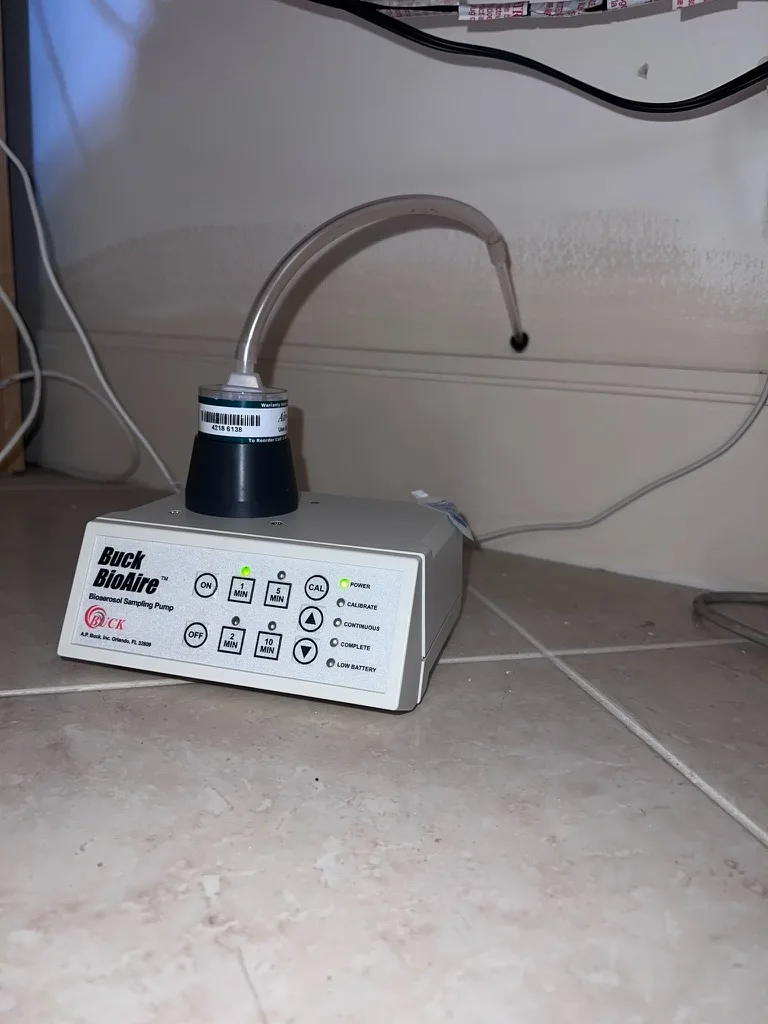
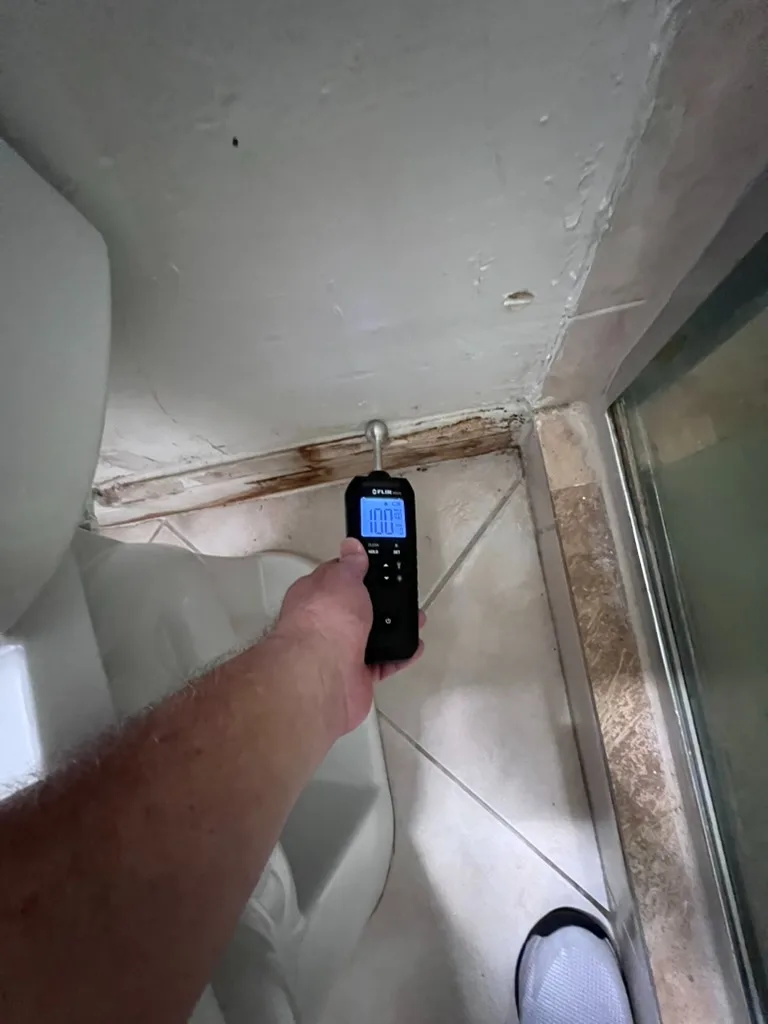
Thermal imaging camera scanning a wall for hidden moisture behind the surface.Digital moisture meter confirming elevated moisture at a stained wall corner.Pin moisture meter documenting water damage on a stained, peeling ceiling.Laser particle counter measuring airborne particulate levels in the air.Borescope camera inspecting the inside of an HVAC duct through the vent.Ultraviolet light revealing contamination at an HVAC supply vent.Thermo-hygrometer profiling relative humidity in a vaulted great room.Moisture meter checking a textured ceiling for hidden dampness.Thermo-hygrometer reading temperature and humidity in a living room.Moisture meter scanning a baseboard and trim for water intrusion.Calibrated air sampling pump fitted with a spore trap cassette for lab analysis.Air sampling pump on a tripod collecting an indoor air sample at breathing height.Thermo-hygrometer and air sampling pump documenting conditions side by side.Bioaerosol sampling pump set up to draw a precise volume of air through a spore trap.Moisture meter confirming a high reading at a stained bathroom corner.
Six categories of professional instruments, each used at a specific stage of the inspection.
Infrared Thermal Imaging Cameras
When we use it: Early in the inspection, scanning walls, ceilings, and floors throughout the property.
Why it matters: Thermal cameras reveal temperature differences caused by hidden moisture without cutting into the structure. Cool, damp areas show up clearly, pointing us toward leaks, condensation, and water intrusion that feed mold growth behind finished surfaces.
Digital Moisture Meters
When we use it: Whenever the thermal scan or visual inspection flags a suspect area, and to map the full extent of any wet zone.
Why it matters: Pin and pinless meters quantify moisture content inside drywall, wood, and other materials. This confirms whether a cool spot is truly wet, measures how far moisture has spread, and helps document the boundaries of a problem for your report and any insurance claim.
Laser Particle Counters
When we use it: During indoor air quality assessment, room by room, and to compare indoor air against an outdoor baseline.
Why it matters: Particle counters measure airborne particulate levels in real time, giving an immediate read on air cleanliness and helping identify rooms with elevated contamination. It is a fast screening tool that guides where we collect formal air samples.
Calibrated Air Sampling Pumps
When we use it: To collect the official air samples that are sent to the laboratory, using spore trap cassettes at a controlled flow rate.
Why it matters: A calibrated pump draws a precise, known volume of air through a spore trap so the accredited lab can count and identify mold spores accurately. Calibration is what makes the results defensible and comparable between indoor and outdoor samples.
Borescopes & Inspection Cameras
When we use it: To look inside wall cavities, behind cabinets, into HVAC ducts, and other enclosed spaces flagged by moisture readings.
Why it matters: A borescope lets us visually confirm hidden conditions through a tiny access point instead of opening up large sections of a wall. We can see and document mold, water staining, or duct contamination with minimal disruption to your home.
Hygrometers & Humidity Probes
When we use it: Throughout the property to profile relative humidity, and inside problem areas, crawlspaces, and near HVAC equipment.
Why it matters: South Florida humidity is a primary driver of mold. Measuring relative humidity room by room shows whether conditions favor mold growth and helps us recommend the right corrective steps, such as air quality follow-up or humidity control.
Licensed and certified. Serving Broward, Miami-Dade, and Palm Beach Counties since 2016.
Each tool plays a defined role in a repeatable, evidence-based workflow.
1
Thermal Scan Infrared cameras map temperature anomalies that signal hidden moisture.
2
Moisture Verification Digital meters confirm and quantify moisture in flagged materials.
3
Humidity Profiling Hygrometers record relative humidity room by room.
4
Cavity Inspection Borescopes confirm hidden conditions inside walls and ducts.
5
Air Sampling Calibrated pumps collect spore trap samples for the accredited lab.
6
Certified Report Findings and lab results compiled into a clear written report.
Independent By Design
Better Tools, Honest Results
As required by Florida Statute 468.8411, Home Enviro is a mold assessment company only. We inspect and test, and we never perform remediation. That independence, combined with calibrated professional equipment, means our findings exist to serve you, not to sell you a cleanup job.
Operating under Florida Mold Assessor License MRSA675 with more than 20 years of experience and over 4,000 inspections completed, we apply the same rigorous instrumentation on every project, from a single condo to a full commercial building.